CPR certification is a valuable credential for healthcare professionals, workplace employees, teachers, childcare providers, fitness instructors, and anyone who wants the skills to respond during a life-threatening emergency. If you are considering CPR training in California, one of the most common questions is: How much does CPR certification cost in California?
The cost of CPR certification in California typically ranges from $30 to $150, depending on the type of course, certification provider, training format, location, and whether additional skills such as First Aid or advanced life support training are included. Basic CPR courses are usually more affordable, while healthcare-focused certifications such as BLS, ACLS, and PALS generally cost more because they include advanced techniques and professional-level training. Understanding CPR certification costs can help you choose the right course based on your career requirements, budget, and certification goals.
In this guide, we will explore the different types of CPR certification available in California and their average costs, the factors that influence pricing, and ways to find the right CPR training option for your needs.
Types of CPR Certification Available in California
California offers different types of CPR certifications designed for various professional and personal needs. The right certification depends on your career, workplace requirements, and level of responsibility during emergencies.
Here are the types of AHA CPR certification available in California:
Heartsaver CPR Certification
Heartsaver CPR certification is designed for people who are not healthcare professionals but need CPR training for work or personal reasons.
It typically includes:
- Adult CPR
- Child and infant CPR
- AED use
- Choking response techniques
Many employers accept Heartsaver certification for workplace safety requirements.
BLS Certification for Healthcare Providers
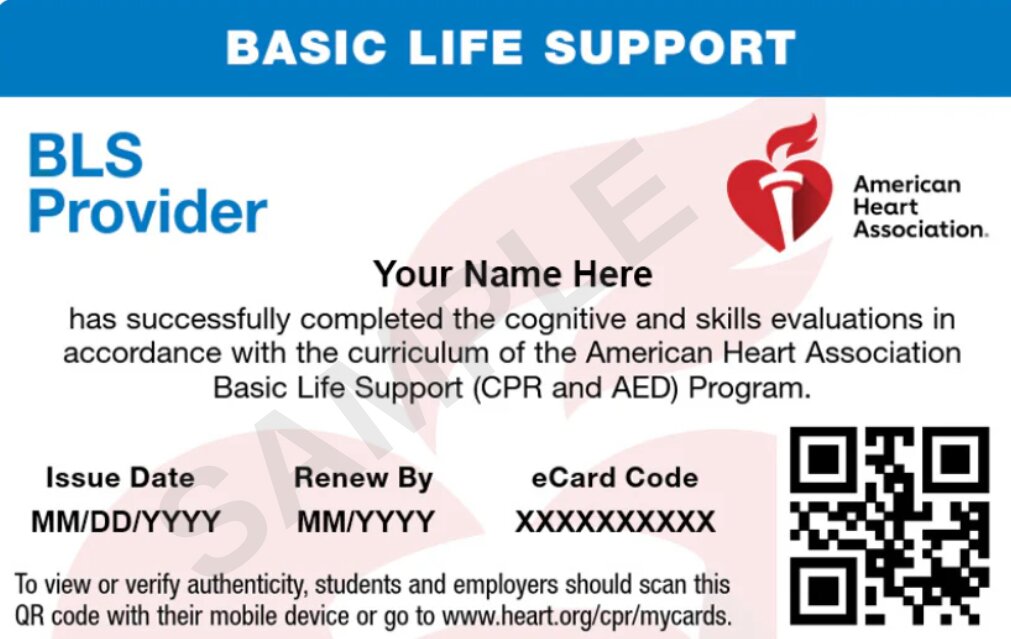
Basic Life Support (BLS) certification is designed specifically for healthcare professionals and students entering healthcare fields.
BLS certification is commonly required for:
- Nurses
- EMTs
- Medical assistants
- Dental professionals
- Nursing students
- Doctors and healthcare workers
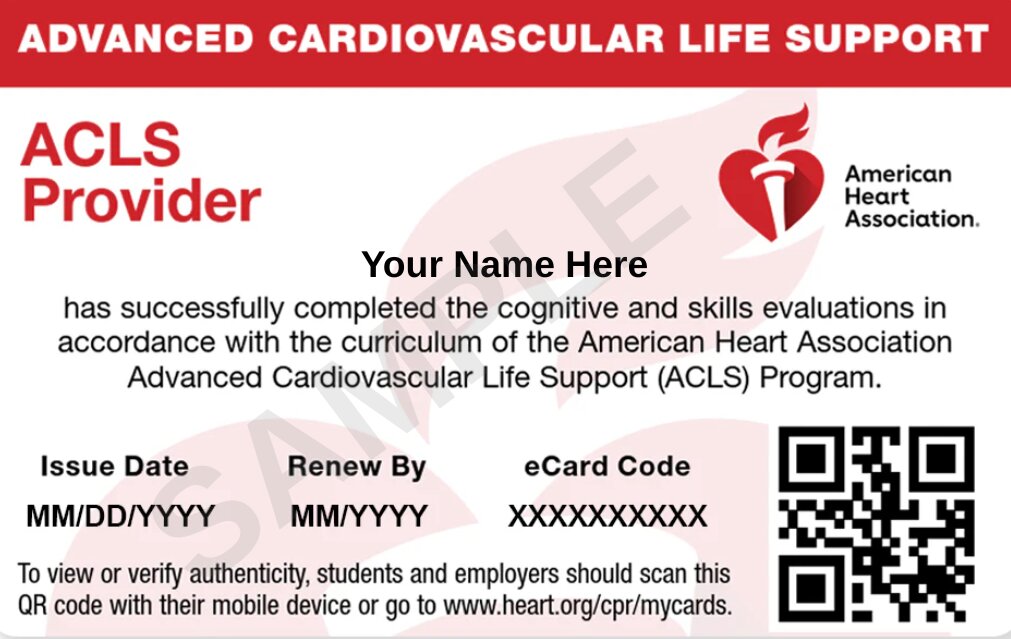
ACLS Certification
Advanced Cardiovascular Life Support (ACLS) certification is intended for healthcare professionals who manage cardiovascular emergencies.
ACLS training covers:
- Advanced airway management
- Cardiac arrest algorithms
- Rhythm recognition
- Medication administration
- Team response during emergencies
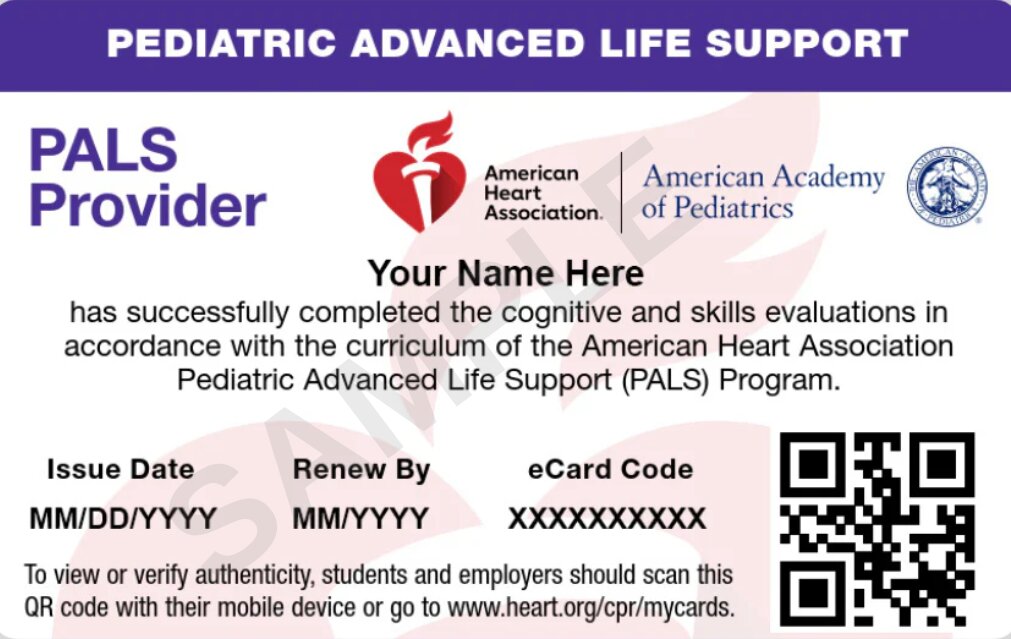
PALS Certification
Pediatric Advanced Life Support (PALS) certification focuses on emergency care for infants and children.
It is commonly required for healthcare professionals working in:
- Emergency departments
- Pediatric units
- Intensive care units
- Ambulance services
Average Cost of CPR Certification in California
The average cost of CPR certification in California typically ranges from $40 to $130 for basic CPR and AED training. However, the price can vary depending on the certification level, training format, provider, and whether hands-on skills practice is included.
Healthcare professionals usually pay more because they require advanced certifications such as BLS, ACLS, or PALS, which include additional skills, testing, and emergency response protocols.
| CPR Certification Type | Average Cost in California |
| Heartsaver CPR Certification | $50–$130 |
| BLS Certification for Healthcare Providers | $60–$130 |
| ACLS Certification | $150–$300 |
| PALS Certification | $150–$300 |
What Factors Affect CPR Certification Cost in California?
The cost of CPR certification in California can vary depending on several factors, including the type of certification, training format, certification provider, location, and what is included in the course fee. While basic CPR courses may cost less, advanced healthcare certifications require more training time, testing, and hands-on practice, making them more expensive.
Understanding these factors can help you choose a CPR course that fits your budget while meeting your workplace or professional requirements.
1. Type of CPR Certification
The certification level is one of the biggest factors affecting CPR training costs in California.
Basic CPR and AED Certification is usually the most affordable option because it focuses on essential lifesaving skills for the general public.
BLS Certification for Healthcare Providers costs more because it includes advanced CPR techniques, AED use, team response, and healthcare-specific scenarios.
ACLS and PALS Certifications are more expensive because they require advanced knowledge of cardiovascular emergencies, pediatric emergencies, medication protocols, and complex resuscitation procedures.
2. Training Format
The way you complete CPR training also affects the total cost.
Online CPR Certification
Online CPR courses are often less expensive because they do not require classroom space or instructor-led sessions.
However, some employers, healthcare organizations, and licensing boards require hands-on skills evaluation, meaning online-only courses may not meet all requirements.
Blended CPR Training
Blended learning combines online coursework with a hands-on skills session. These courses usually cost more than online-only training because they include practical skill verification.
Benefits include:
- Flexible online learning
- Hands-on CPR practice
- Skills evaluation
- Recognized certification options
In-Person CPR Classes
Traditional classroom CPR courses generally have higher costs because they include:
- Instructor guidance
- Training equipment
- Practice manikins
- Classroom facilities
3. Certification Provider
The organization issuing the certification can influence the price.
Courses from nationally recognized organizations, such as the American Heart Association (AHA), are widely accepted by healthcare employers, schools, and workplaces.
Different training centers may charge different prices based on:
- Instructor experience
- Course materials
- Training location
- Certification processing fees
- Additional support services
When comparing prices, make sure the certification is accepted by your employer or professional organization.
4. Location Within California
Where you take your CPR course can affect the cost.
CPR training in larger California cities such as Los Angeles, San Diego, San Jose, Sacramento, and San Francisco may have higher prices due to:
- Higher facility costs
- Increased demand
- Higher operating expenses
Smaller cities and community-based training centers may offer more affordable options.
5. What Is Included in the Course Fee
Not all CPR certification courses include the same services. A lower-priced course may charge additional fees for certain features.
Before enrolling, check whether the price includes:
- CPR training materials
- Skills practice session
- Final assessment
- Certification card
- Digital certificate
- AED training
- Instructor support
A slightly higher-priced course may provide better overall value if it includes everything required for certification.
6. Initial Certification vs. Renewal Course
New CPR students generally pay more because they need complete training from the beginning.
Renewal courses are often cheaper because they focus on refreshing existing knowledge and skills.
7. Group or Employer Training Discounts
Many CPR providers offer discounted rates for organizations that train multiple employees at once.
Group training discounts may be available for:
- Hospitals
- Schools
- Businesses
- Childcare centers
- Fitness facilities.
Employer-sponsored CPR training can significantly reduce individual costs.
Is CPR Certification More Expensive in California Than Other States?
CPR certification in California is generally not significantly more expensive than in other U.S. states. While some areas of California may have slightly higher prices due to factors such as the cost of living, instructor fees, and facility expenses, the overall cost of CPR training is usually comparable to what people pay across the country.
The cost of CPR certification depends more on factors such as the type of course, certification provider, training format, and additional skills included rather than the state where the course is taken. For example, advanced healthcare-focused CPR courses or in-person classes may cost more than basic online training because they include additional instruction and hands-on practice. When choosing a CPR certification program, it is important to consider whether the certification is recognized by employers, meets workplace requirements, and provides the appropriate level of training.
Does Insurance Cover CPR Certification Costs?
In most cases, health insurance does not cover CPR certification costs because CPR training is considered professional education rather than a medical service. Insurance providers typically do not pay for certification courses that are related to employment requirements, career development, or personal skill training.
However, some employers, organizations, and professional programs may cover the cost of CPR certification when it is required for a specific role. Many workplaces in industries such as healthcare, education, childcare, fitness, and public safety provide CPR training for employees as part of their safety and compliance programs. Before paying for a course yourself, check with your employer or organization to see if they offer reimbursement, sponsored training, or discounted certification options.
Are CPR Certification Renewals Cheaper in California?
Yes, CPR certification renewals are often cheaper than initial certification courses in California because renewal classes are designed as refresher training for individuals who already have CPR knowledge and experience. These courses typically focus on reviewing essential skills, updating techniques, and confirming that participants can perform CPR correctly according to current guidelines.
The cost of a CPR renewal course depends on factors such as the certification type, training provider, course format, and whether hands-on skills testing is required. Online renewal options are usually more affordable, while in-person renewal classes may cost more because they include instructor guidance and practical skill assessments. Renewing your certification before it expires can also help save time and money by avoiding the need to complete a full beginner-level course again.
Are Free CPR Certification Courses Available in California?
Yes, free CPR training opportunities are available in California, but completely free courses that provide an official CPR certification card are less common. Many free programs focus on CPR awareness, basic lifesaving skills, or community education, while official certifications from recognized organizations usually require a course fee.
If you need CPR certification for employment, school, licensing, or healthcare requirements, make sure the course includes a valid certification card and meets your organization’s standards.
Where Can You Find Free CPR Courses in California?
Several organizations and programs may offer free or low-cost CPR training opportunities.
1. Employer-Sponsored CPR Training
Many employers provide free CPR certification for employees when it is required for their job.
Common employers that may offer CPR training include:
- Hospitals and healthcare facilities
- Schools and universities
- Childcare centers
- Fitness organizations
- Emergency response agencies
- Large businesses
Employers may cover the full cost of training or provide on-site group classes.
2. Community CPR Training Programs
Local community organizations sometimes provide free CPR education events to increase public awareness of lifesaving skills.
These programs may be offered through:
- Community centers
- Public health organizations
- Local safety programs
- Emergency preparedness events
- Nonprofit organizations
While these sessions teach valuable CPR skills, they may not always provide a formal certification credential.
3. Schools and Educational Programs
Students may have access to free or discounted CPR training through:
- High schools
- Colleges
- Nursing programs
- EMT training programs
- Healthcare education programs
Some educational institutions include CPR certification as part of their curriculum or provide access to discounted courses.
4. Workplace Safety Programs
Some companies provide free CPR training as part of workplace safety initiatives.
Industries that commonly provide employer-sponsored CPR training include:
- Construction
- Manufacturing
- Healthcare
- Childcare
- Hospitality
- Recreation
Training employees in CPR and AED response helps workplaces prepare for medical emergencies.
How to Save Money on CPR Certification in California
CPR certification in California is generally affordable, but costs can vary depending on the certification type, training provider, and course format. Whether you need CPR certification for work, school, or personal knowledge, there are several ways to reduce your expenses without compromising certification quality.
Here are some effective ways to save money on CPR certification in California.
1. Compare CPR Training Providers
CPR certification prices can vary between training centers, even for the same type of course. Before enrolling, compare multiple providers based on:
- Course price
- Certification acceptance
- Training format
- Included materials
- Skills evaluation options
- Certification card delivery time
Avoid choosing a course based only on the lowest price. A cheaper course may not meet your employer’s or licensing organization’s requirements.
2. Choose the Right Certification Level
One of the easiest ways to save money is selecting the certification that matches your actual needs.
For example:
- General workplace requirement: CPR/AED certification may be enough.
- Healthcare professionals: BLS certification is usually required.
- Advanced healthcare roles: ACLS or PALS may be necessary.
Taking an advanced course when it is not required can significantly increase your costs.
3. Consider Blended Learning Options
Blended CPR training can be a cost-effective option because it combines online learning with a hands-on skills session.
Benefits include:
- Lower cost compared with some traditional classroom courses
- Flexible online coursework
- Reduced travel time
- Required hands-on skills practice
Blended learning is often a good choice for students and working professionals who need both convenience and certification requirements.
4. Look for Group CPR Training Discounts
Many CPR training providers offer discounts for groups.
Group training may reduce costs for:
- Businesses
- Schools
- Healthcare facilities
- Childcare centers
- Community organizations
If several employees, classmates, or coworkers need CPR certification, arranging group training can lower the cost per person.
5. Check Employer Reimbursement Programs
Many employers cover CPR certification costs when training is required for your position.
Before paying yourself, ask whether your workplace offers:
- CPR training reimbursement
- Employee education benefits
- Paid certification programs
- On-site CPR classes
Healthcare facilities, schools, and childcare organizations often provide these benefits.
6. Renew Your Certification Before It Expires
Renewing your CPR certification on time can help you avoid paying for a full initial course again.
Most CPR certifications are valid for two years. Renewal courses are typically shorter and less expensive because they focus on refreshing existing skills.
Benefits of renewing on time include:
- Lower course fees
- Less training time
- Continuous certification status
- Avoiding the need to restart the certification process
7. Take Advantage of Promotions and Discounts
Some CPR training centers offer discounts throughout the year.
Look for:
- Seasonal promotions
- Student discounts
- Healthcare worker discounts
- Military discounts
- Group discounts
- Employer partnerships
Signing up during promotional periods can reduce the overall cost.
8. Avoid Unnecessary Add-On Fees
Before registering, check what is included in the course price.
Some providers charge additional fees for:
- Certification cards
- Training materials
- Skills testing
- Rescheduling
- Replacement certificates
Choosing a provider with transparent pricing can help you avoid unexpected expenses.
9. Choose an Accredited Training Provider
While saving money is important, avoid extremely low-cost courses that do not provide recognized certification.
A valid CPR certification should include:
- Proper CPR skills training
- AED instruction
- Required assessments
- Certification documentation
- Acceptance by employers or organizations
Paying slightly more for a recognized certification can prevent having to retake the course later.
Begin Your CPR Training with an AHA-Authorized Provider
The cost of CPR certification in California depends on factors such as the certification type, training format, provider, location, and included course features. While basic CPR training is generally more affordable, advanced certifications require additional instruction, testing, and hands-on skills evaluation. When choosing a CPR course, it is important to consider certification acceptance, training quality, and whether the program meets your workplace or professional requirements. Comparing different providers and selecting the right certification option can help you receive reliable CPR training that fits your needs and prepares you to respond confidently during emergencies.
To ensure you receive high-quality training from a trusted provider, choosing an experienced and recognized CPR training center is essential. CPR Classes California is an American Heart Association (AHA)-authorized CPR training provider in California, offering CPR, BLS, ACLS, and PALS certification courses for healthcare professionals, businesses, and individuals. With more than 20 years of experience in CPR education, we provide convenient and reliable training designed to help students gain the skills and credentials needed to respond effectively during emergencies.
Enroll today and get certified with a trusted CPR training provider in California.