Advance your professional qualifications with CPR, BLS, ACLS, and PALS certification courses in San Rafael, California. Designed for eligible healthcare providers, students, and other professionals, these courses combine online learning with an in-person skills assessment. This approach lets you prepare for your certification requirements while managing your existing work and personal commitments.
4.9/5 from 800+ reviews, Trusted by California healthcare teams
1330 Lincoln Ave Suite 208A, CA 94901
Conveniently located in California, we offer AHA-certified CPR, First Aid, BLS, ACLS, and PALS courses.
BLS
ACLS
PALS
Monday - Friday: 8 am - 7 pm
Saturday: 9 am -4 pm
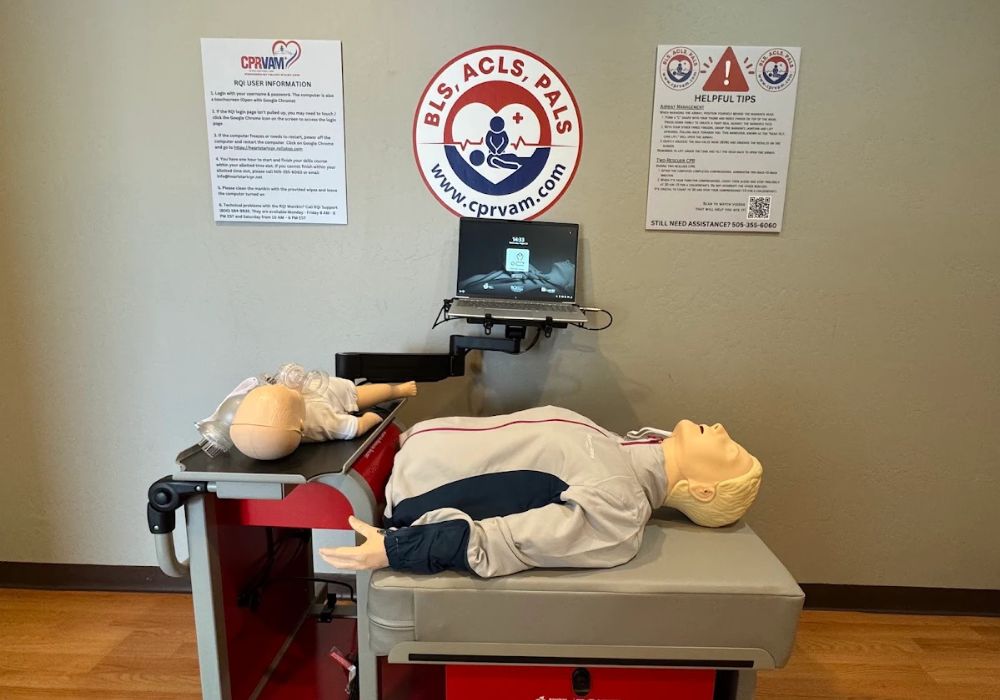
Our San Rafael training site at 1330 Lincoln Ave, Suite 208A, San Rafael, CA 94901, is located in a commercial area of San Rafael, California. The location serves healthcare professionals, students, workplace teams, and community members from San Rafael, Novato, Mill Valley, Larkspur, and nearby Marin County communities. The training site provides a convenient location for participants attending scheduled CPR skills sessions. Before your appointment, review the entry instructions provided after registration to ensure you can locate Suite 208A and access the training area.
Take the appropriate exit toward downtown San Rafael and follow the local roads toward Lincoln Avenue. Continue along Lincoln Avenue until you reach 1330 Lincoln Ave, San Rafael, CA 94901. Look for the building containing Suite 208A.
Head toward Lincoln Avenue using the main roads through downtown San Rafael. Continue along Lincoln Avenue until you arrive at 1330 Lincoln Ave, then locate the building entrance and proceed to Suite 208A.
Travel south toward San Rafael via US-101. Take an appropriate exit for downtown San Rafael and follow local roads to Lincoln Avenue. Continue to 1330 Lincoln Ave, San Rafael, CA 94901.
Travel north toward San Rafael using US-101. Follow the signs toward downtown San Rafael, then take the local roads leading to Lincoln Avenue. Continue to the address and locate Suite 208A.
Use these general reference points to help identify the training location:
Note: Confirm the building entrance and any additional access instructions in your registration confirmation before your visit.
Check for available parking near 1330 Lincoln Ave before your scheduled appointment. Depending on availability, parking options can include designated spaces at the property or nearby public parking areas. Follow posted parking restrictions and allow enough time to park and locate Suite 208A.















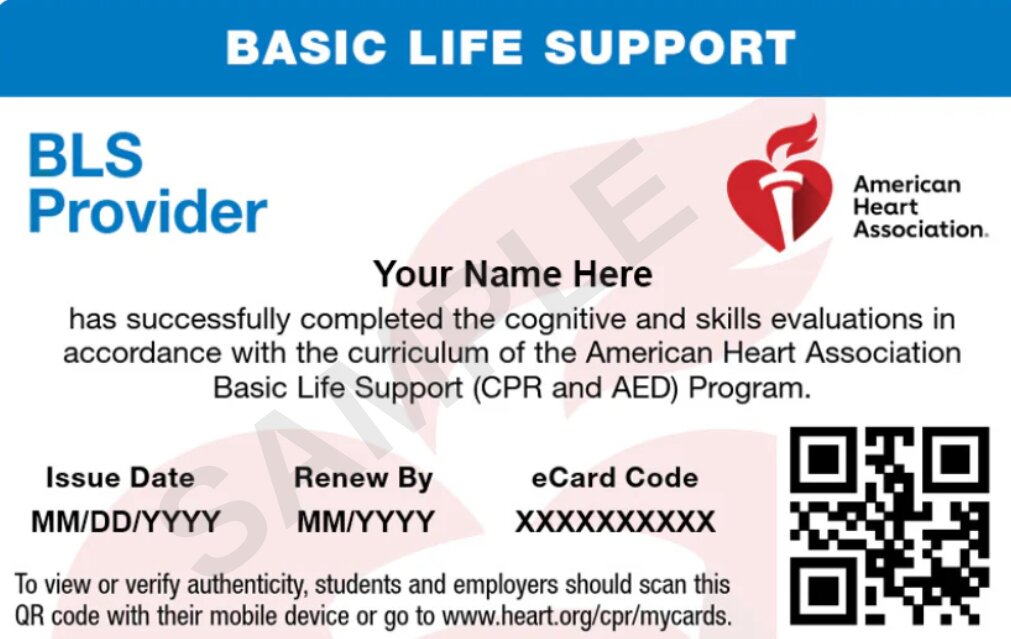
Basic Life Support
Flexible & self-paced;
Hands-on practice
Truster Certification
BLS certification covers the recognition of life-threatening emergencies and the delivery of high-quality CPR. Participants develop skills in AED operation, ventilation, and coordinated resuscitation for adults, children, and infants.
The course is relevant to nurses, physicians, medical assistants, respiratory therapists, and other healthcare professionals who need foundational resuscitation credentials. It is also commonly required for healthcare students before clinical placements.
If your employer or educational program requires a current BLS credential, confirm the accepted course format and renewal requirements before enrolling.
ACLS certification addresses the recognition and management of serious adult cardiovascular emergencies. The curriculum builds on foundational resuscitation knowledge and focuses on clinical assessment, cardiac rhythms, resuscitation algorithms, airway management, and coordinated emergency response.
This program is suited to eligible healthcare professionals whose duties involve advanced resuscitation, including personnel in emergency medicine, acute care, and critical care environments.
Review the current prerequisites and ensure you have the foundational knowledge needed for the selected ACLS course.
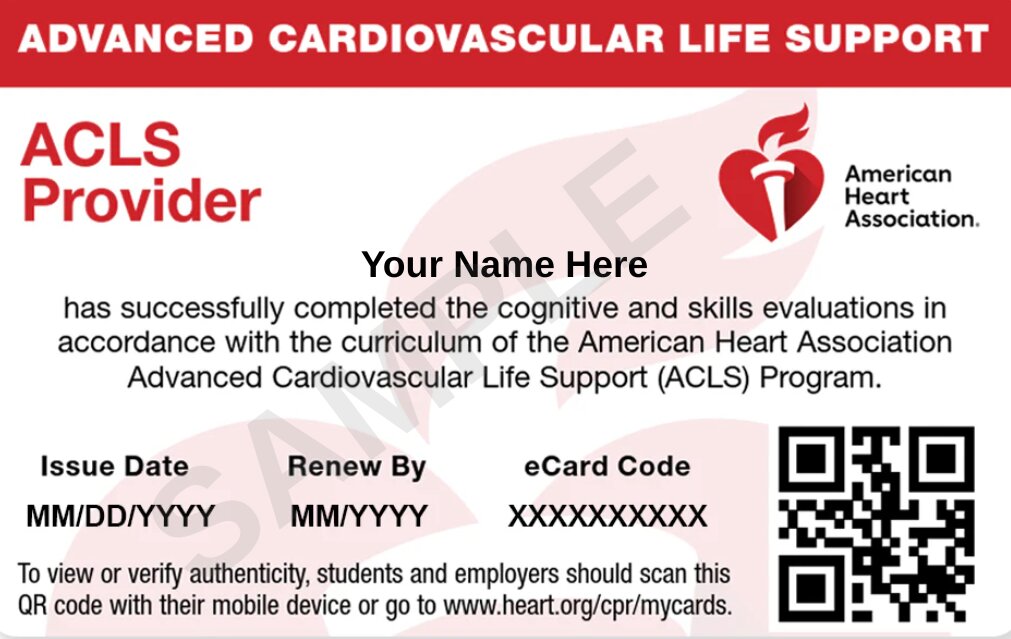
Advanced Cardiovascular Life Support
Flexible & self-paced;
Hands-on practice
Truster Certification
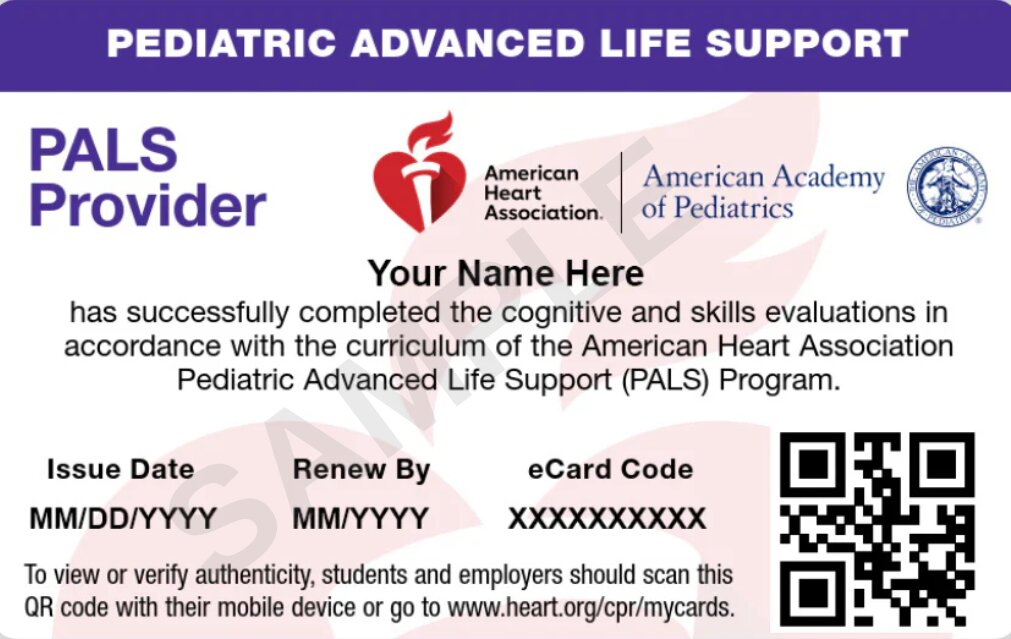
Pediatric Advanced Life Support
Flexible & self-paced;
Hands-on practice
Truster Certification
PALS certification concentrates on emergency assessment and treatment for infants and children experiencing critical illness or injury. Participants study pediatric assessment, respiratory compromise, shock, cardiac arrest, and appropriate resuscitation interventions.
The curriculum emphasizes early recognition of deterioration, reassessment, clinical decision-making, and communication among healthcare team members.
PALS is intended for qualified healthcare professionals who need advanced pediatric emergency response skills. Check your workplace or academic requirements to confirm that PALS is the appropriate credential.
Healthcare professionals working in hospitals, outpatient clinics, physician offices, and specialty practices often need current life support credentials to meet employment and clinical requirements. Nurses, physicians, medical assistants, respiratory therapists, and other healthcare workers might require BLS, ACLS, or PALS depending on their responsibilities. These courses help professionals maintain essential resuscitation knowledge, recognize life-threatening conditions, and develop practical skills for responding to medical emergencies. Before enrolling, participants should verify their employer’s certification requirements, renewal deadlines, and accepted course formats.
EMTs, paramedics, firefighters, and other emergency response personnel need credentials that correspond to their job responsibilities and applicable requirements. Their work often involves responding to cardiac emergencies, providing immediate patient care, and coordinating resuscitation efforts under time-sensitive conditions. Depending on their roles, they might require foundational BLS certification or an advanced life support credential. Completing the appropriate course reinforces emergency assessment, CPR techniques, AED operation, and coordinated response skills. Participants should consult their employer or licensing authority to determine which certification meets their professional requirements.
Students preparing for careers in nursing, medicine, respiratory therapy, emergency medical services, and other healthcare fields might need certification before beginning clinical rotations, internships, or practical placements. Obtaining the required credential ahead of time helps students satisfy program deadlines and prepare for responsibilities in clinical environments. BLS is commonly required for healthcare students, while certain advanced programs or placements might have additional certification requirements. Reviewing the school’s policies before registering helps students select the appropriate course, understand prerequisites, and confirm whether the selected learning format is accepted.
Organizations in San Rafael and Marin County can explore certification options for employees who need resuscitation credentials or workplace emergency preparedness education. Healthcare practices, educational institutions, childcare providers, fitness facilities, and other businesses might have different training needs based on their staff responsibilities and operational requirements. Coordinating certification for multiple employees helps organizations plan schedules, track renewal dates, and reduce disruptions to daily operations. Before arranging training, employers should identify the required certification levels, estimate the number of participants, and confirm the course format and credential acceptance requirements relevant to their industry.
Completing the online component in advance allows you to prepare for the practical assessment before visiting the San Rafael site. Follow the course instructions to ensure that all required learning activities are finished.
BLS, ACLS, and PALS cover distinct resuscitation needs. Reviewing the course requirements helps you avoid registering for a credential that does not meet your professional or academic obligations.
The AHA eCard documents the certification earned after the applicable requirements have been met. Confirm that your employer or school accepts the specific course and delivery format before registering.
Knowing what to expect helps you prepare for each stage, from online learning to the practical evaluation and credential issuance. Review the registration information carefully to understand the steps required for your selected program.


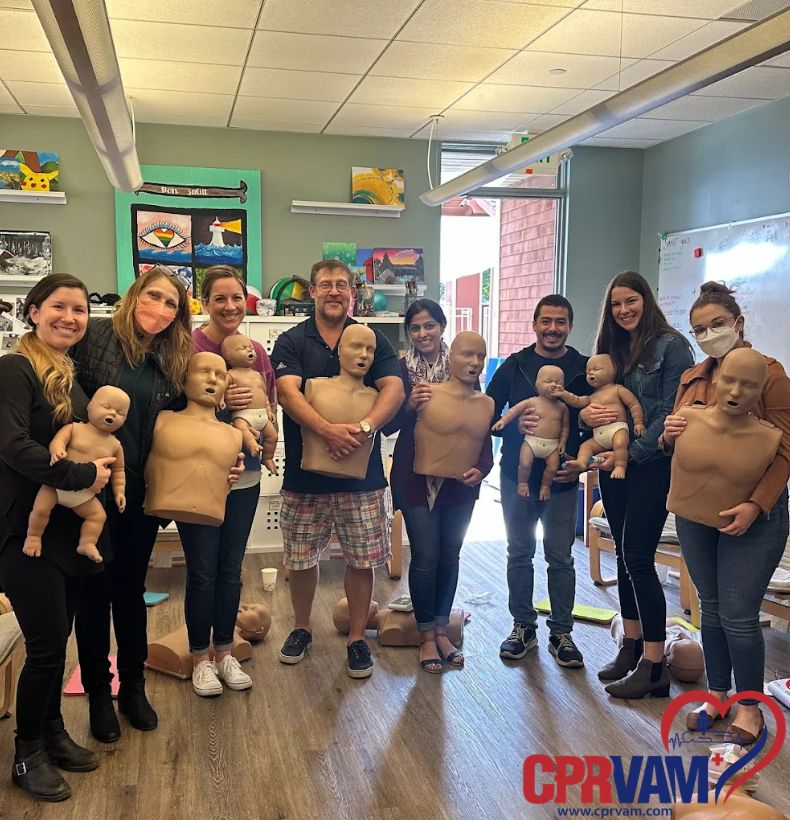
Employers and organizations with several employees needing certification can ask about group training arrangements. Planning ahead helps coordinators identify suitable dates and organize participation around staffing requirements.
Group inquiries may include:
Healthcare Organizations
Corporate Offices
Colleges and Universities
Community and Nonprofit Organizations
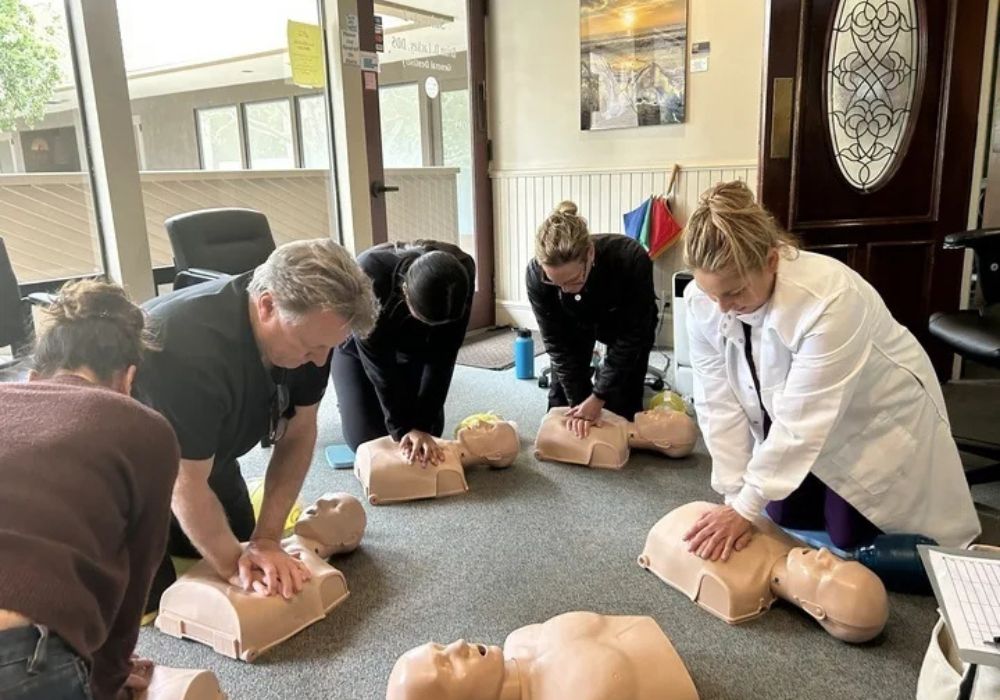
Choose the course that fits your professional responsibilities, whether you need foundational BLS, advanced cardiovascular life support, or pediatric emergency response certification.
Explore the available courses and plan your next step toward meeting your certification requirements.
San Rafael healthcare workers, students, and local organizations can explore American Heart Association (AHA) CPR, BLS, ACLS, and PALS certification courses through CPR Classes California, powered by CPR VAM. The programs combine online learning with practical skills assessments, helping eligible participants prepare for professional certification and strengthen their ability to respond to critical medical emergencies.
Whether meeting clinical requirements or improving workplace readiness, CPR Classes California offers San Rafael-area learners access to structured resuscitation education designed around different professional and emergency response needs.
The listed San Rafael address is 1330 Lincoln Ave, Suite 208A, San Rafael, CA 94901. Review your appointment confirmation for the specific arrival and building-entry instructions.
Yes. For the described course pathway, complete the required online coursework before attending your scheduled in-person skills evaluation. Follow your registration instructions for any additional preparation requirements.
No. BLS provides foundational resuscitation skills, ACLS focuses on advanced adult cardiovascular emergencies, and PALS covers critical emergencies involving infants and children. Choose the credential required for your professional role.
Complete your online lessons, verify your appointment time, save the full address, and review the arrival instructions. Contact support in advance if you need help locating the suite.
