Advance your clinical readiness with American Heart Association–aligned ACLS, BLS, and PALS training in Seattle, WA. Designed for beginners to experts, our blended courses combine online learning with hands-on skills testing to deliver reliable certification.
4.9/5 from 800+ reviews, Trusted by California healthcare teams
4047 First Street, Suite 105 Livermore, Ca 94551
Conveniently located in California, we offer AHA-certified CPR, First Aid, BLS, ACLS, and PALS courses.
BLS
ACLS
PALS
Monday - Thursday: 8 am - 7 pm
Friday: 8 am - 5 pm
Saturday: 9 am -4 pm
Sunday: Closed
Our Livermore training site is located at 4047 First Street, Suite 105, Livermore, CA 94551, in a central and easily accessible commercial area. The location is well positioned for participants traveling from across the Tri-Valley region, including Pleasanton, Dublin, and Tracy. With direct access from Interstate 580 and nearby surface streets, the site is convenient for healthcare professionals, students, and workplace teams coming from multiple directions.
Take the First Street exit in Livermore and continue into the city. Drive along First Street until you reach the 4000 block, where the training site is located at 4047 First Street.
Head along First Street toward the higher address range. The site is a short drive from downtown in a commercial area along the main road.
Take I-580 eastbound toward Livermore, exit onto First Street, and continue straight until you reach the 4047 block.
Travel west on I-580 toward Livermore, exit onto First Street, and follow it into the city until you arrive at the training location.
Participants can identify the area by looking for:
Pull into the parking lot directly off First Street. Parking is available on-site, and the entrance to the building is accessible from the front-facing parking area.














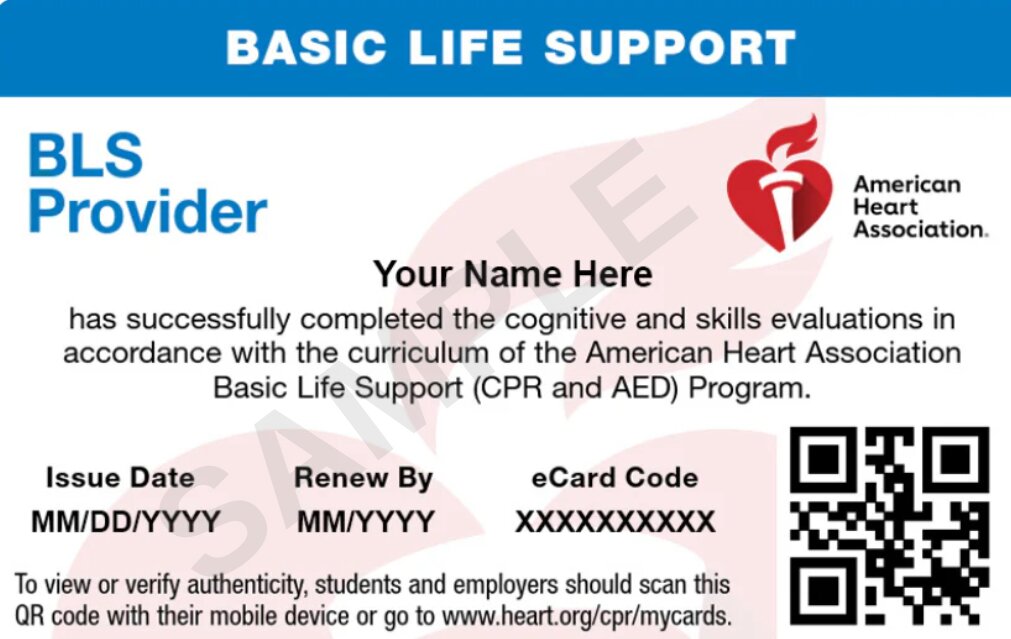
Basic Life Support
Flexible & self-paced;
Hands-on practice
Trusted Certification
This foundational course focuses on essential life-saving techniques required in healthcare and workplace emergency settings. Training covers high-quality CPR for adults, children, and infants, proper AED operation, and response strategies for choking or respiratory emergencies. Participants also learn how to function effectively in team-based emergency scenarios. It is ideal for healthcare students, entry-level clinical staff, caregivers, and safety personnel who need strong basic resuscitation skills. The course emphasizes rapid recognition of cardiac and breathing emergencies and immediate intervention.
This advanced program is designed for licensed healthcare professionals managing complex cardiovascular emergencies in clinical environments. It includes training in cardiac rhythm interpretation, advanced airway management, pharmacological interventions during resuscitation, and application of standardized ACLS algorithms. The course also focuses on improving leadership, communication, and coordination during high-pressure emergency situations. It is intended for physicians, nurses, paramedics, and critical care staff working in emergency departments, ICUs, and hospital settings.
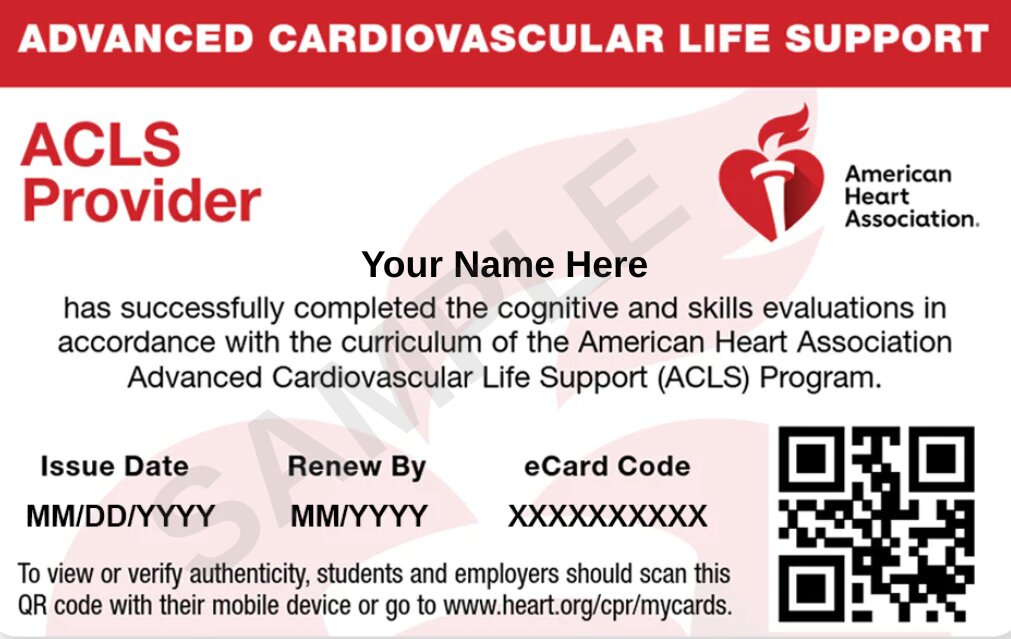
Advanced Cardiovascular Life Support
Flexible & self-paced;
Hands-on practice
Trusted Certification
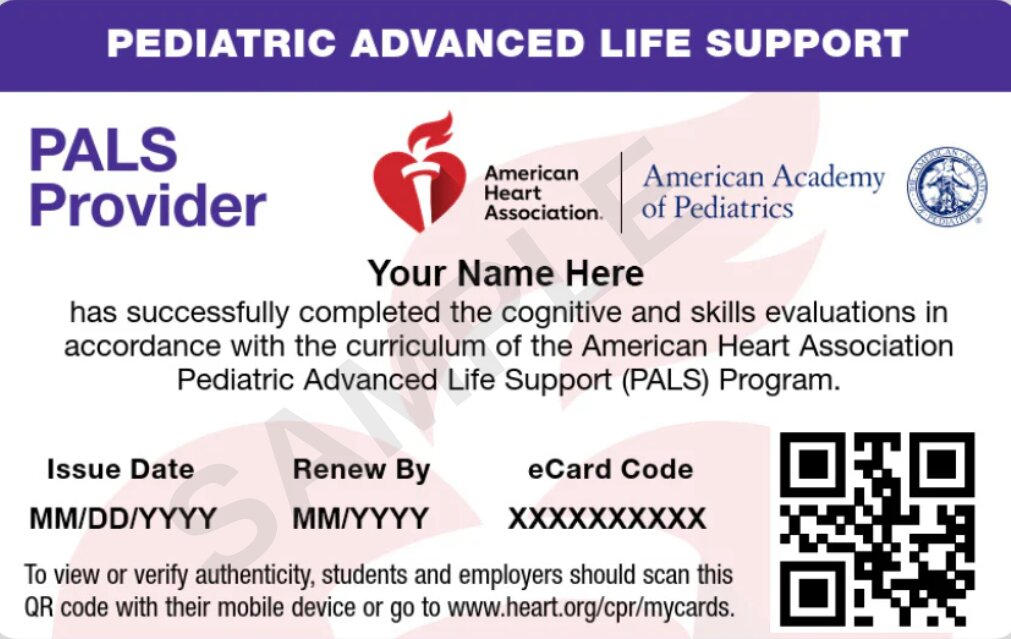
Pediatric Advanced Life Support
Flexible & self-paced;
Hands-on practice
Trusted Certification
This pediatric-focused training prepares healthcare providers to respond to life-threatening emergencies involving infants and children. The curriculum includes pediatric assessment techniques, recognition of respiratory distress and shock, and structured response protocols for critical pediatric cases. Emphasis is placed on age-specific treatment approaches, quick clinical decision-making, and effective teamwork in emergency environments. It is designed for professionals working in pediatric care units, urgent care facilities, emergency departments, and other settings where pediatric emergency readiness is required.
These programs are built for professionals working in patient care environments who are expected to respond to medical emergencies as part of their job responsibilities or licensing requirements. The training supports real clinical decision-making and emergency response skills used in hospitals, clinics, and specialty care settings.
Common participants include:
This group includes individuals who are often first on the scene during emergencies and must make quick, structured decisions under pressure. The training reinforces standardized response protocols used in both pre-hospital and critical situations.
Common participants include:
These courses are also a strong fit for learners entering healthcare programs or preparing for clinical rotations. Certification is often required before beginning hands-on training in hospitals or clinical placements.
Common participants include:
Many organizations require staff to be prepared for sudden medical emergencies even outside healthcare settings. This training helps individuals respond effectively until professional help arrives.
Common participants include:
This category is for anyone who wants to feel more confident responding to emergencies in daily life, whether at home, in public, or while caring for others.
Common participants include:
Begin your training at any time that fits your schedule. The online portion is fully self-paced and accessible from any device, allowing you to complete coursework without fixed class times or in-person lectures.
All courses follow American Heart Association guidelines and are recognized across the United States by hospitals, clinics, educational institutions, and healthcare employers.
Our structured blended learning approach helps reduce overall training time compared to traditional classroom-based programs, making it ideal for working professionals and students with busy schedules.
Easily complete BLS, ACLS, and PALS through an organized training system designed to reduce repetition and streamline the certification process across multiple courses.


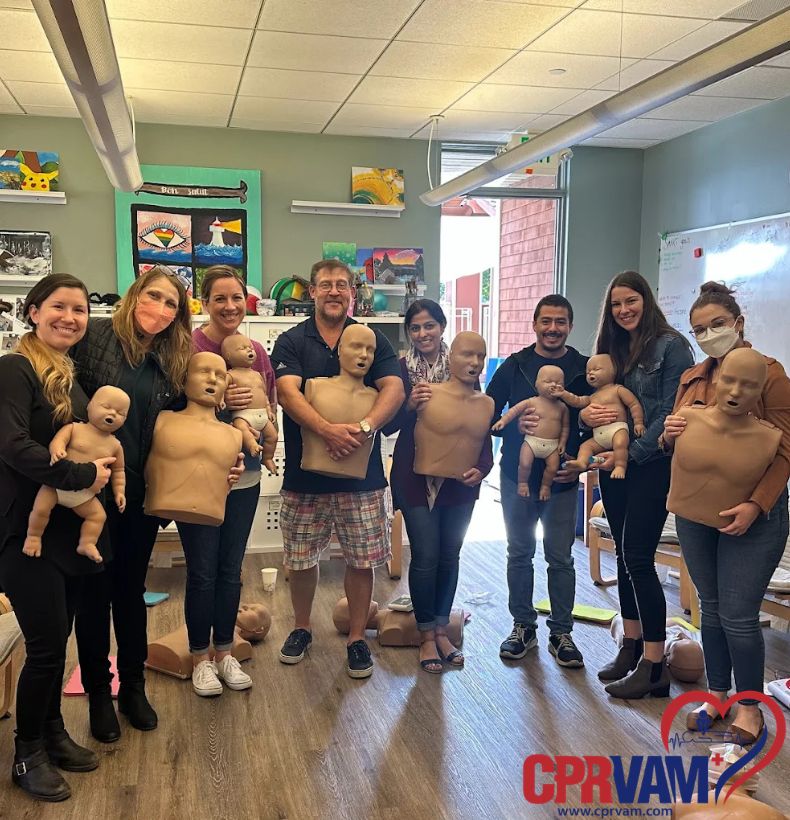
Livermore organizations can arrange CPR and life support certification training at their workplace, allowing employees to complete AHA requirements without traveling. Our instructors conduct on-site sessions that combine essential instruction with hands-on practice for real-world emergencies.
This option works well for teams that need coordinated training while minimizing disruption to daily operations. Weekday and weekend sessions can be arranged based on the organization’s schedule and training needs.
Healthcare Organizations
Corporate Offices
Colleges and Universities
Community and Nonprofit Organizations
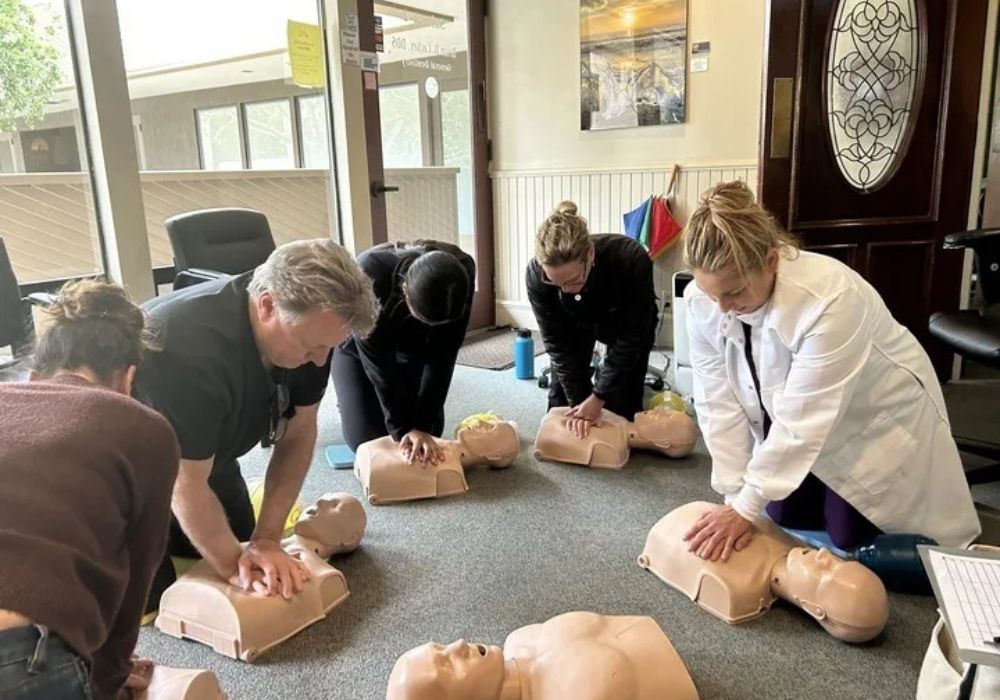
Start with convenient online training and progress at your own pace, then attend a short skills session in Livermore where you demonstrate key life-saving techniques. Once both requirements are met, your official AHA certification is processed quickly.
CPR Classes California provides Livermore and the surrounding Tri-Valley community with access to CPR VAM’s established approach to emergency medical education. With decades of experience and hundreds of thousands of students trained nationwide, CPR VAM has built a reputation around practical CPR, BLS, ACLS, and PALS education through American Heart Association (AHA) authorized training.
This experience is particularly valuable for Livermore healthcare professionals and students who need reliable certification while balancing demanding academic and professional schedules. Our training model combines flexible online learning with hands-on skills verification, giving participants a practical way to meet certification requirements while strengthening the skills necessary for real-world emergency response.
Registration is completed online by choosing your course (BLS, ACLS, or PALS) and selecting an available skills session in Livermore. After signing up, you’ll receive access to the online training and instructions for your in-person skills appointment.
Yes. The online portion must be completed before attending your hands-on skills session. It prepares you for the practical evaluation conducted in Livermore.
BLS is open to anyone, including students, caregivers, and workplace staff. ACLS and PALS are generally intended for licensed or advanced healthcare professionals working in clinical environments.
Once both the online coursework and in-person skills evaluation are completed, certification is typically issued shortly after, with electronic cards released promptly in most cases.
