A high-performance Basic Life Support (BLS) team coordinates chest compressions, ventilation, rhythm analysis, defibrillation, and communication to provide effective care during cardiac arrest. Three critical roles commonly support this process: the chest compressor, the airway provider, and the monitor/defibrillator operator, who may also serve as the CPR coach. Each role contributes to high-quality CPR by minimizing interruptions, maintaining effective ventilation, and ensuring timely defibrillation when indicated.
Although team assignments vary according to the number of rescuers, available equipment, and clinical setting, clearly defined responsibilities help BLS teams respond efficiently. Understanding these roles is essential for healthcare professionals who participate in cardiopulmonary resuscitation (CPR) and other life-threatening emergencies.
In this guide, you will learn about the three critical BLS team roles, their responsibilities, how they work together during cardiac arrest, and how regular training improves communication, coordination, and resuscitation performance.
What Is a High-Performance Team in BLS?
A high-performance BLS team is a group of trained rescuers who coordinate their actions to deliver timely, effective CPR and other essential interventions during cardiac arrest. Team members work toward a shared goal: restoring circulation as quickly as possible while maintaining high-quality chest compressions, providing appropriate ventilation, and using an AED or defibrillator when indicated.
In practice, high-performance teams assign specific responsibilities, communicate instructions clearly, and monitor the quality of care throughout resuscitation. Team members anticipate the next steps, report important findings, and minimize interruptions during chest compressions. Effective leadership and coordinated task performance help the team respond efficiently under pressure.
What Are the 3 Critical Roles in a High-Performance BLS Team?
The three critical roles in a high-performance Basic Life Support (BLS) team are the chest compressor, airway provider, and monitor/defibrillator operator or CPR coach. Each role has specific responsibilities that support high-quality cardiopulmonary resuscitation (CPR), effective ventilation, and timely defibrillation during cardiac arrest.
Chest Compressor
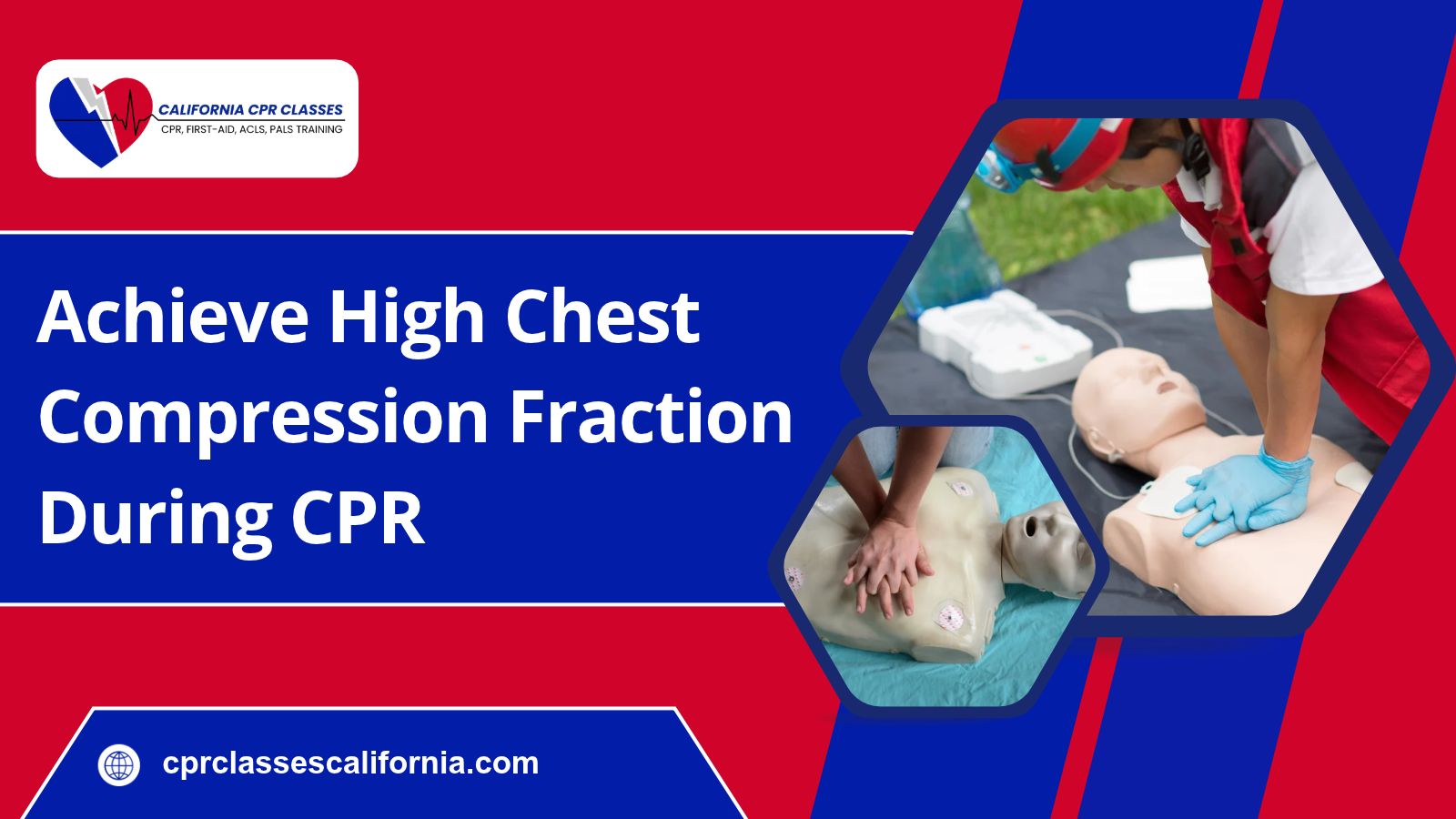
The compressor is the critical team member responsible for performing high-quality chest compressions to maintain blood flow to the brain and other vital organs during cardiac arrest. This role requires consistent technique, appropriate compression depth and rate, complete chest recoil, and minimal interruptions.
The compressor’s primary responsibilities include:
- Maintaining an adult compression rate of 100–120 compressions per minute.
- Compressing the adult chest at least 2 inches (5 cm) while avoiding excessive depth beyond 2.4 inches (6 cm).
- Allowing complete chest recoil after each compression.
- Minimizing interruptions during CPR.
- Rotating with another trained rescuer approximately every two minutes, or sooner if fatigue affects performance.
Airway Provider
Another critical role in a high-performance BLS team is the airway provider, who manages the patient’s airway and delivers appropriate ventilations during resuscitation. This team member helps provide oxygen to the lungs while coordinating ventilation with chest compressions.
The airway provider’s primary responsibilities include:
- Opening and maintaining the airway using appropriate techniques.
- Delivering effective ventilations with a bag-mask device when indicated.
- Observing chest rise to assess ventilation effectiveness.
- Using airway adjuncts when appropriate and within their training and scope of practice.
- Coordinating ventilation with chest compressions to avoid unnecessary pauses.
- Communicating airway difficulties or ventilation concerns to the team leader.
Monitor/Defibrillator/CPR Coach
The monitor/defibrillator operator or CPR coach is also a critical member of a high-performance BLS team, responsible for coordinating defibrillation and supporting CPR quality. These responsibilities can be combined in smaller teams or assigned to separate rescuers when more personnel are available.
Key responsibilities include:
- Preparing and operating the AED or defibrillator according to its instructions.
- Coordinating rhythm analysis and indicated shock delivery while minimizing interruptions.
- Monitoring compression rate, depth, recoil, and ventilation quality when assigned the CPR coach role.
- Providing clear, timely feedback to team members.
- Helping coordinate compressor changes and other resuscitation tasks.
Are There Other Critical Members of a BLS Team?
Yes, a high-performance Basic Life Support (BLS) team includes other important members who support the compressor, airway provider, and monitor/defibrillator operator or CPR coach. These additional team members help coordinate resuscitation, manage tasks, track interventions, and ensure that critical responsibilities are completed efficiently.
The team leader is another critical member of a BLS team. This person coordinates the response, assigns responsibilities, monitors the patient’s condition, and ensures that team members follow the appropriate resuscitation algorithm. The team leader also promotes clear communication and makes sure that interventions are performed in the correct sequence.
Other important BLS team members include:
- Timer/recorder: Tracks the timing of resuscitation activities, documents interventions, and reminds the team when compressor rotation or reassessment is due.
- Additional CPR provider: Assists with chest compressions and rotates with the primary compressor to maintain compression quality and reduce fatigue.
- Additional airway provider: Supports ventilation and airway management when additional assistance is needed.
- Emergency response personnel: Provide additional resources and advanced life support interventions according to their training, responsibilities, and scope of practice.
In smaller teams, one rescuer can perform multiple roles depending on the available personnel and the emergency situation. However, when more rescuers are available, assigning separate responsibilities helps reduce workload, prevent duplicated tasks, and improve coordination.
How Do the 3 Critical BLS Roles Work Together?
The three critical BLS roles- the compressor, airway provider, and monitor/defibrillator operator or CPR coach work together to maintain circulation, provide effective ventilation, and coordinate defibrillation during cardiac arrest. Each rescuer performs specific tasks while communicating with other team members to maintain high-quality cardiopulmonary resuscitation (CPR) and minimize interruptions.
During a cardiac arrest response, these roles work together through the following steps:
- Start CPR: The compressor begins chest compressions as soon as cardiac arrest is recognized, while another team member activates the emergency response and obtains an AED.
- Provide ventilation: The airway provider opens the airway and delivers appropriate ventilations, coordinating with the compressor to avoid unnecessary pauses.
- Prepare the AED or defibrillator: The monitor/defibrillator operator attaches the pads and follows the device’s instructions for rhythm analysis and shock delivery when indicated.
- Monitor CPR quality: The CPR coach provides feedback on compression rate, depth, recoil, and interruptions when this responsibility is assigned.
- Coordinate compressor changes: Team members prepare to rotate compressors approximately every two minutes, or sooner if fatigue affects performance, while minimizing interruptions.
- Continue resuscitation: The team follows the appropriate BLS algorithm, responds to AED prompts, and continues CPR until advanced responders take over or resuscitation can appropriately stop.
Effective communication connects all three roles. For example, the defibrillator operator clearly announces when rhythm analysis is required, the compressor pauses only when necessary for safety and analysis, and the team resumes compressions promptly when instructed. Meanwhile, the airway provider continues to coordinate ventilation according to the applicable CPR protocol.
How Can BLS Teams Improve Communication and Coordination?
BLS teams can improve communication and coordination by assigning clear roles, using closed-loop communication, providing timely updates, and practicing emergency scenarios together. During cardiac arrest, rescuers must communicate instructions quickly and accurately while maintaining high-quality CPR and minimizing unnecessary interruptions.
Several strategies help improve communication and coordination in a high-performance BLS team:
- Assign clear roles: Identify the compressor, airway provider, defibrillator operator, CPR coach, and team leader so every rescuer understands their responsibilities.
- Use closed-loop communication: The team leader gives a clear instruction, the assigned rescuer repeats or acknowledges it, and the rescuer confirms when the task is complete.
- Provide concise updates: Communicate changes in the patient’s condition, CPR quality, ventilation difficulties, and AED status without distracting team members from essential tasks.
- Anticipate upcoming interventions: Prepare for compressor rotation, rhythm analysis, and defibrillation before these actions become urgent.
- Give immediate feedback: The CPR coach identifies problems with compression depth, rate, recoil, or interruptions and communicates specific corrections.
- Practice team-based simulations: Rehearse cardiac arrest scenarios to improve role transitions, decision-making, and coordination under pressure.
- Conduct post-event debriefings: Review team performance, identify communication gaps, and discuss practical improvements for future emergencies.
For example, when a compressor change is due, the team leader announces the switch, the incoming compressor acknowledges the instruction, and both rescuers coordinate the transition to minimize pauses. This simple communication process helps maintain chest compression quality throughout resuscitation.
How Often Should Critical BLS Roles Practice Their Skills?
BLS team members should practice their CPR, airway management, AED operation, and communication skills regularly to maintain competency and respond effectively during cardiac arrest. Training frequency depends on certification requirements, workplace policies, clinical responsibilities, and individual skill retention. Frequent, short practice sessions combined with regular team-based simulations help reinforce essential resuscitation skills.
Recommended training activities include:
- Frequent skills refreshers: Practice chest compressions, rescue breathing, and AED use in short sessions between formal training courses to reinforce correct technique.
- Regular team simulations: Rehearse cardiac arrest scenarios to improve coordination among the compressor, airway provider, and monitor/defibrillator operator or CPR coach.
- Practice with CPR feedback devices: When available, use feedback equipment to assess compression rate, depth, chest recoil, and interruptions.
- Compressor rotation practice: Rehearse changing compressors approximately every two minutes while minimizing interruptions in chest compressions.
- Post-training debriefings: Review performance after each simulation, identify skill gaps, and set specific improvement goals.
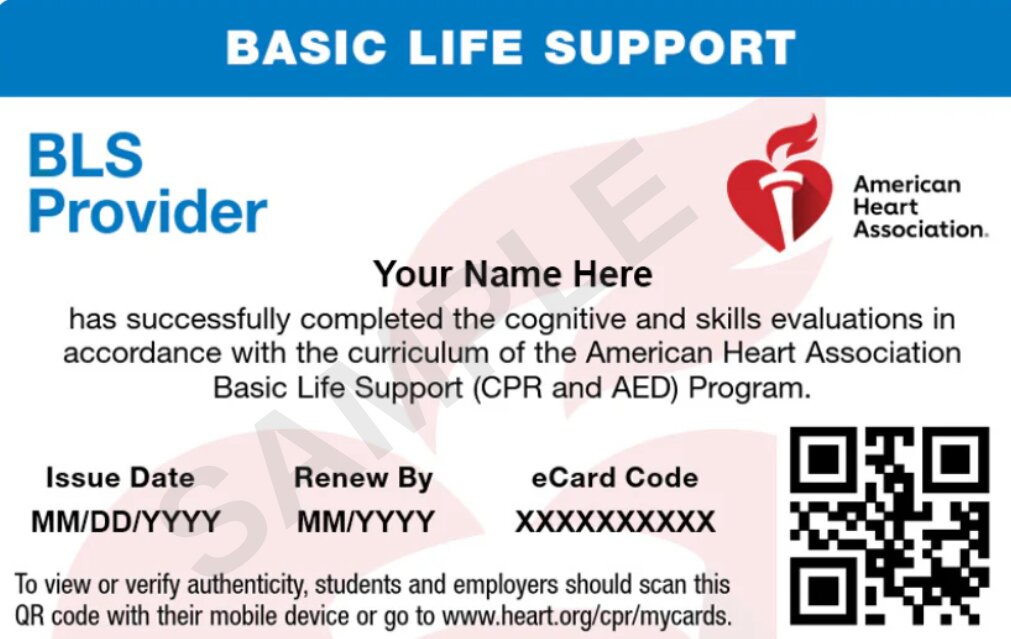
- Certification renewal: Follow the issuing organization’s requirements to maintain valid BLS certification.
What Evidence Supports High-Performance BLS Teamwork?
The 2025 American Heart Association (AHA) Resuscitation Education Science Guidelines reviewed 14 randomized controlled trials evaluating teamwork training in life support education. Twelve trials found improvements in at least one teamwork outcome, including communication, leadership, workload management, and overall team performance. These findings support assigning clear roles and incorporating teamwork training into BLS practice.
The 2025 AHA Adult Basic Life Support Guidelines emphasize minimizing interruptions in chest compressions, coordinating defibrillation, and maintaining CPR quality. They identify a chest compression fraction of at least 60% as reasonable during adult cardiac arrest, noting that high-performance teams may achieve values above 80%. These recommendations support coordinated roles, efficient communication, and prompt resumption of CPR after a shock.
Prepare for Real Emergencies With BLS Training
High-performance BLS teamwork depends on clear role assignments, effective communication, and regular practice. The chest compressor, airway provider, and monitor/defibrillator operator or CPR coach each contribute to high-quality CPR by maintaining circulation, supporting ventilation, coordinating defibrillation, and minimizing interruptions. Understanding these critical roles helps healthcare professionals work together efficiently and deliver coordinated care during cardiac arrest.
Prepare for real emergencies with CPR Classes California. Enroll in American Heart Association (AHA) BLS certification training to develop essential CPR, AED, and emergency response skills. If you want advanced certification, then you can enroll in our ACLS and PALS courses. Complete the self-paced online coursework followed by a short, hands-on skills session at a convenient California training location. Designed for busy healthcare professionals, this flexible approach helps you complete your training efficiently and earn an AHA BLS certification accepted nationwide.
Start your BLS training with CPR Classes California and build the confidence to respond effectively when every second counts.