Get the CPR and healthcare certification training you need in Concord, CA, with courses for healthcare professionals, students, workplace teams, and community members. CPR Classes California offers AHA ACLS, BLS, and PALS training with online coursework and a hands-on skills session at our Downtown Concord location.
4.9/5 from 800+ reviews, Trusted by California healthcare teams
1924 Grant Street, Concord, CA 94520
Conveniently located in California, we offer AHA-certified CPR, First Aid, BLS, ACLS, and PALS courses.
BLS
ACLS
PALS
Monday - Thursday: 8 am - 7 pm
Friday: 8 am - 6 pm
Saturday - Sunday: 9 am -5 pm
Our CPR training center is located at 1924 Grant Street in Downtown Concord, directly across from Todos Santos Plaza. The location is on Grant Street near the Willow Pass Road corridor, with recognizable downtown businesses and services surrounding the training center. For learners driving to their scheduled CPR, BLS, ACLS, or PALS session, the location offers access from I-680, CA-24, and I-580, connecting Downtown Concord with surrounding East Bay communities. The 1924 Grant Street site is also within Concord’s central downtown area, putting the training center close to the city’s main plaza and established downtown streets.
Take I-680 toward Concord and use Willow Pass Road, Exit 51. Continue toward Downtown Concord and follow local roads leading to the Grant Street area.
Take Highway 24 toward Concord and connect with the local downtown road network. Follow signs for Todos Santos Plaza and continue toward the training area.
Take Contra Costa Boulevard south toward Concord and continue onto Willow Pass Road. Follow Willow Pass Road east to Grant Street and Todos Santos Plaza.
Take North Broadway north toward Pleasant Hill, then connect to Contra Costa Boulevard toward Concord. Continue onto Willow Pass Road toward the Grant Street area.
Our Downtown Concord training center is located near several recognizable destinations and roadways that can help you identify the area before your appointment.
These nearby locations can serve as useful reference points when planning your trip to the training center.
Parking is available in the Downtown Concord area surrounding 1924 Grant Street. Street parking is available near the property, while the nearby Grant Street Parking Garage and Salvio Street Garage provide additional options around Todos Santos Plaza. Arrive a few minutes early so you have time to park and reach the training location before your scheduled skills session.
















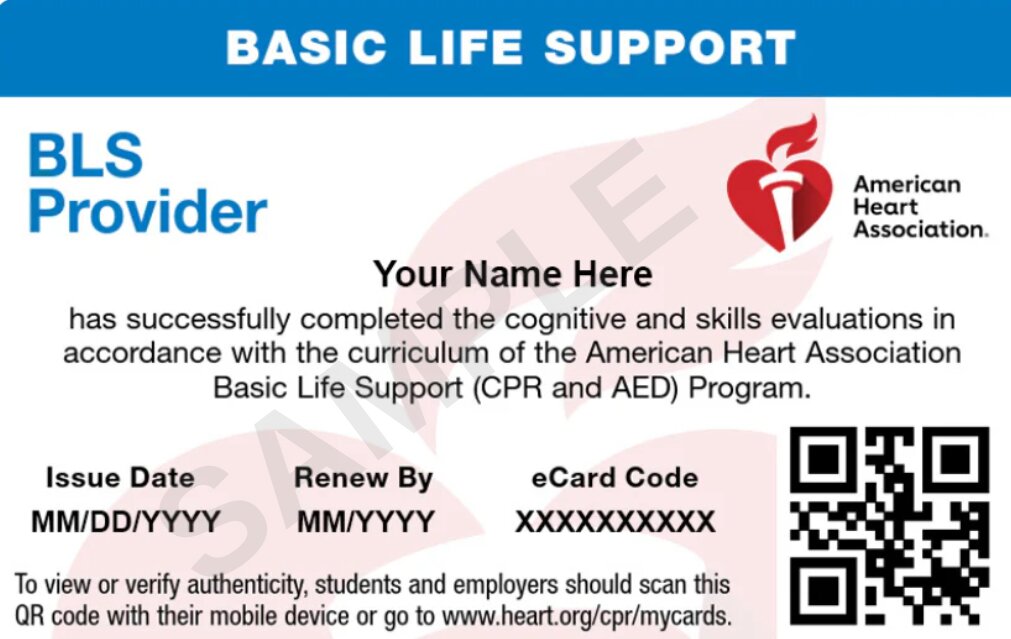
Basic Life Support
Flexible & self-paced;
Hands-on practice
Trusted Certification
If you work in healthcare or are preparing for a healthcare career, BLS training gives you the skills to respond to cardiac and breathing emergencies. The course covers high-quality CPR, AED use, rescue breathing, choking response, and working effectively during a resuscitation. BLS is available for both initial certification and renewal. It is designed for healthcare professionals and students who need to maintain or obtain their BLS certification and be prepared to respond to emergencies involving adults, children, and infants.
ACLS training is designed for healthcare professionals who may be involved in treating adults during serious cardiovascular emergencies. It builds on basic CPR skills and helps you recognize and respond to life-threatening cardiac and respiratory conditions. The course covers rhythm recognition, airway and breathing management, emergency treatment approaches, and team-based resuscitation. ACLS is available for both initial certification and renewal when you need to maintain your professional credentials.
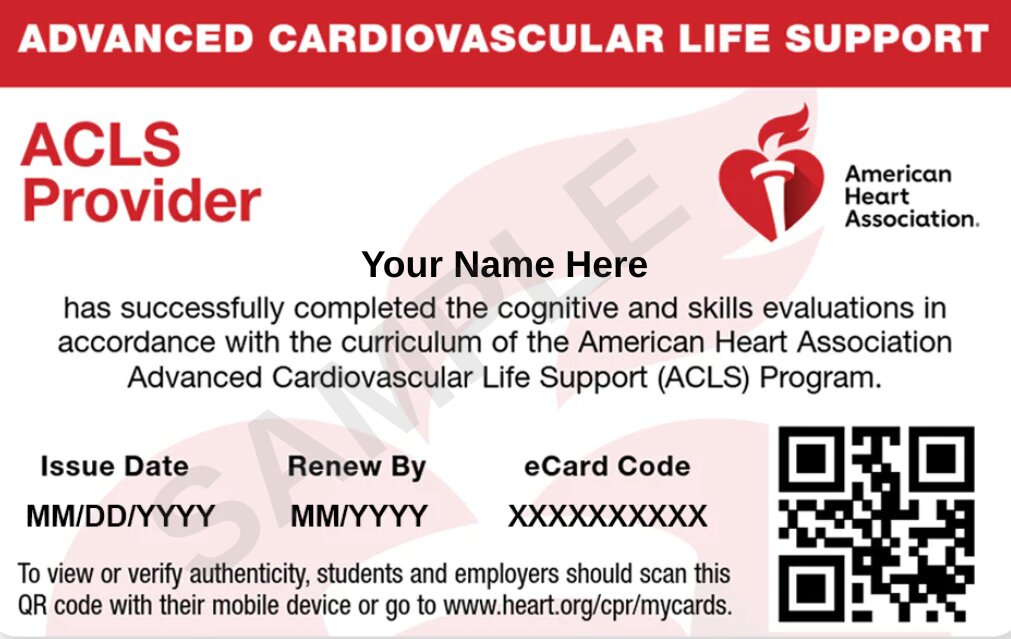
Advanced Cardiovascular Life Support
Flexible & self-paced;
Hands-on practice
Trusted Certification
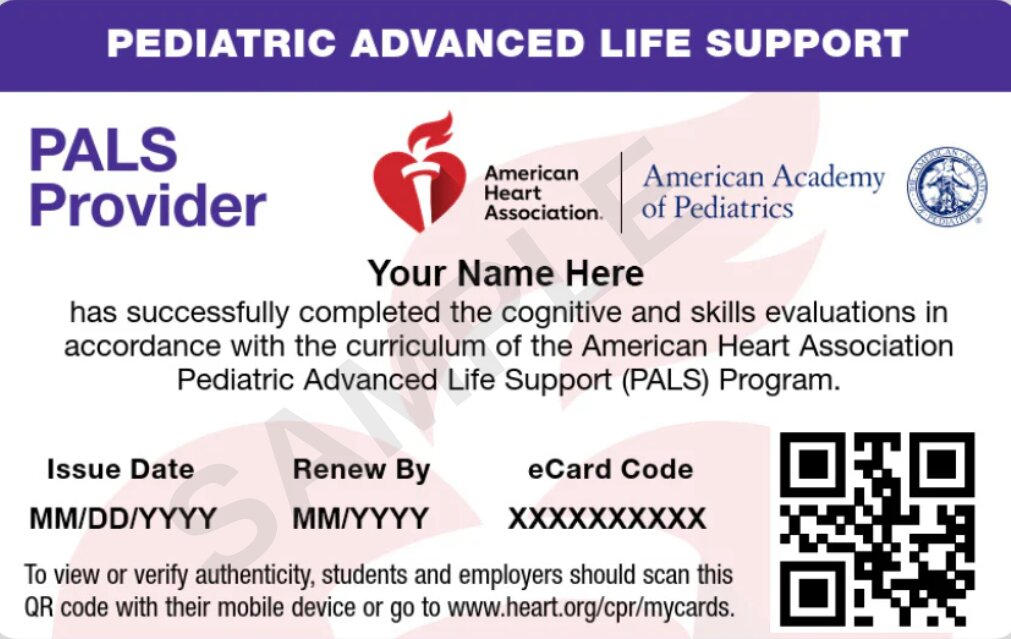
Pediatric Advanced Life Support
Flexible & self-paced;
Hands-on practice
Trusted Certification
PALS training helps healthcare professionals respond to serious medical emergencies involving infants and children. You will learn how to assess pediatric patients and recognize respiratory, circulatory, and cardiac problems that require immediate attention. The course focuses on pediatric assessment, emergency response, resuscitation, and working as part of a healthcare team. PALS is available for both initial certification and renewal for professionals who work with pediatric patients or need PALS certification for their role.
Nurses, physicians, EMTs, paramedics, respiratory therapists, dentists, medical assistants, and other healthcare professionals may need CPR certification based on their role and workplace requirements. BLS training is common for healthcare providers, while ACLS or PALS may be required for professionals working with advanced cardiac care or pediatric patients. Choosing the right course helps ensure the certification matches your responsibilities, employer requirements, and patient care setting. Training can also help healthcare professionals stay prepared to respond when a patient experiences a cardiac or breathing emergency. Keeping certification current may also be part of maintaining workplace qualifications and meeting employer expectations.
Students in nursing, medicine, dentistry, EMS, and other career programs may need CPR certification to complete school, clinical, or training requirements. BLS is often required before students begin clinical placements, while some programs may require ACLS or PALS depending on the course or career path. Completing the right certification can help students meet program requirements and prepare for the responsibilities of their future roles. CPR training also gives students practical experience with emergency response before they enter a workplace or clinical setting. Keeping the required certification current can make it easier to complete training programs and meet requirements for future employment.
Employees in businesses, childcare centers, fitness facilities, offices, and other workplaces can benefit from CPR training when they may need to respond during an emergency. Training helps employees understand how to recognize an emergency, provide immediate assistance, and perform CPR while waiting for professional emergency responders to arrive. CPR certification can also help employees meet workplace training requirements and stay prepared for unexpected situations. This training is especially useful for employees who regularly work with children, customers, clients, or other members of the public. Having trained employees on the team can provide an added level of preparedness when an emergency happens at work.
Parents, caregivers, babysitters, coaches, volunteers, and other community members can benefit from learning CPR and basic emergency response skills. These skills can be useful when caring for children, older adults, family members, clients, students, or people participating in community activities. CPR training helps participants understand what to do during an emergency and how to provide immediate assistance while waiting for professional medical help to arrive. Learning these skills can be useful for people who regularly take responsibility for another person’s safety at home, work, or during activities. Regular training can also help participants stay familiar with the basic steps needed during an unexpected emergency.
EMTs, paramedics, first responders, and other public safety professionals may need CPR training that matches their job duties and employer requirements. Depending on their responsibilities, they may need BLS, ACLS, PALS, or other appropriate certification for the emergencies they are expected to manage. Selecting the right course helps ensure their training supports their professional role, workplace standards, and the types of situations they may encounter while responding to emergencies. Ongoing training can help emergency personnel maintain the skills required for fast and appropriate responses in the field. Keeping certifications current may also help them meet agency policies, employment requirements, and professional standards.
Get trained through AHA courses for healthcare professionals and others needing recognized CPR and advanced life-support credentials. Choose BLS, ACLS, or PALS based on your needs.
Complete the required online coursework before coming to your hands-on session. This gives you time to review the material and prepare for the practical skills portion of your course.
Put what you learn into practice during your hands-on session in Concord. You will work with CPR training equipment and receive guidance as you complete the skills required for your course.
Our training center at 1924 Grant Street offers a convenient location in Downtown Concord. It is easy to reach for local healthcare professionals, students, employees, and community members.


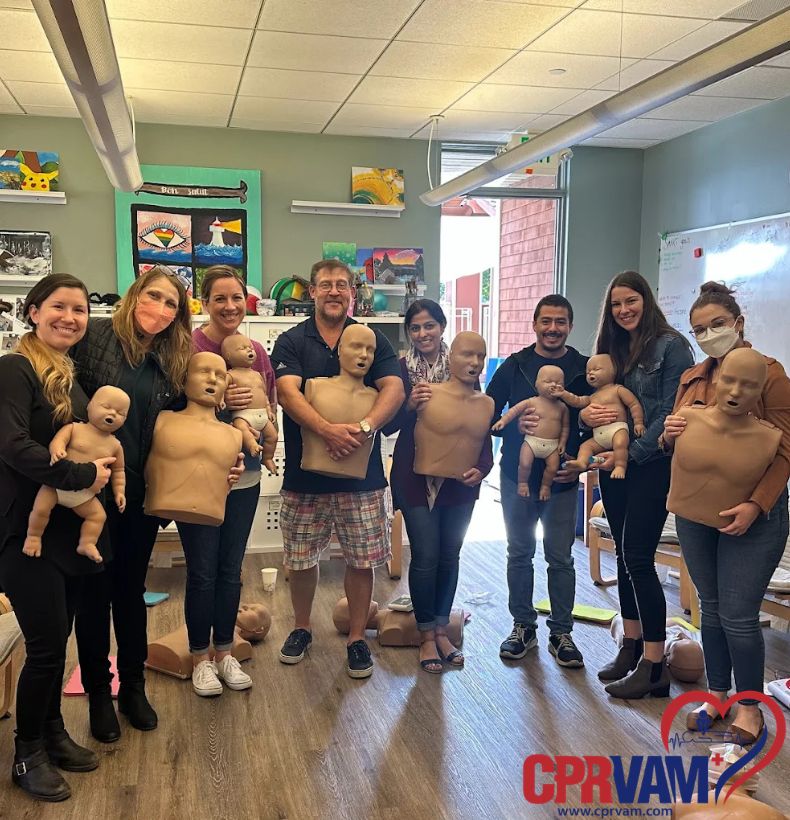
Need to train several employees or team members at the same time? CPR Classes California provides group CPR and emergency-response training options for organizations in Concord and surrounding areas. On-site training can be arranged for businesses, healthcare facilities, schools, community organizations, and other groups that need multiple team members trained together. Depending on your organization’s requirements, group training can include CPR, AED, BLS, ACLS, or PALS courses.
Healthcare Organizations
Corporate & Workplace Teams
Schools & Educational Facilities
Community Organizations
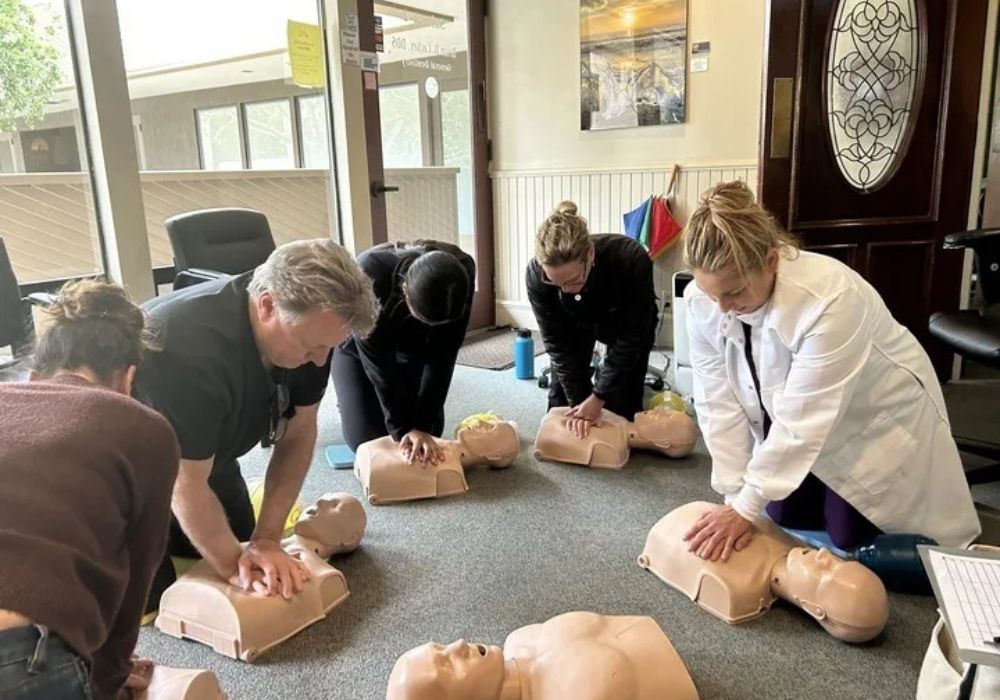
Ready to complete your CPR or healthcare certification? Choose the course that fits your requirements and schedule your training at our Downtown Concord location. Complete your required online learning, attend your hands-on skills session, and take the next step toward maintaining your AHA certification.
CPR Classes California provides AHA training for healthcare professionals, students, and others who need reliable CPR and advanced life-support certification in Concord. Whether you are starting a healthcare career, renewing a required credential, or completing training for your professional role, you can choose BLS, ACLS, or PALS based on your needs.
Our Downtown Concord training gives local learners a convenient place to complete their required hands-on skills session. With online coursework followed by practical training, you can prepare for your course and complete the certification process with guidance from our training team. Explore CPR training in Concord to find a course that fits your certification requirements. Our training options help you complete the required coursework and skills evaluation through a straightforward learning process.
Yes, eligible AHA blended-learning courses allow you to complete the required online coursework before attending your hands-on skills session. Online-only certification may not meet the requirements of employers or professional organizations that require in-person skills verification.
Yes, eligible AHA blended-learning courses allow you to complete the required online coursework before attending your hands-on skills session. Online-only certification may not meet the requirements of employers or professional organizations that require in-person skills verification.
AHA BLS, ACLS, and PALS certifications are generally valid for two years. Your employer, school, or professional organization may have additional renewal requirements, so check the requirements for your position.
Your completion time depends on the course and learning format. For blended courses, you complete the required online coursework before attending the hands-on skills session. After successfully completing all required components, your AHA eCard can be issued through the certification process.
It depends on your employer and profession. Many healthcare, education, childcare, and other professional roles require a hands-on skills evaluation rather than an online-only certificate. If your employer requires AHA certification with a skills component, choose a course that includes the required in-person training.
Yes. CPR certification courses that require a skills evaluation include hands-on training with an instructor. After completing the required online coursework, you attend an in-person skills session where you practice and demonstrate CPR, AED, and other required skills. Completing both the online training and hands-on evaluation is required to receive your AHA certification.
