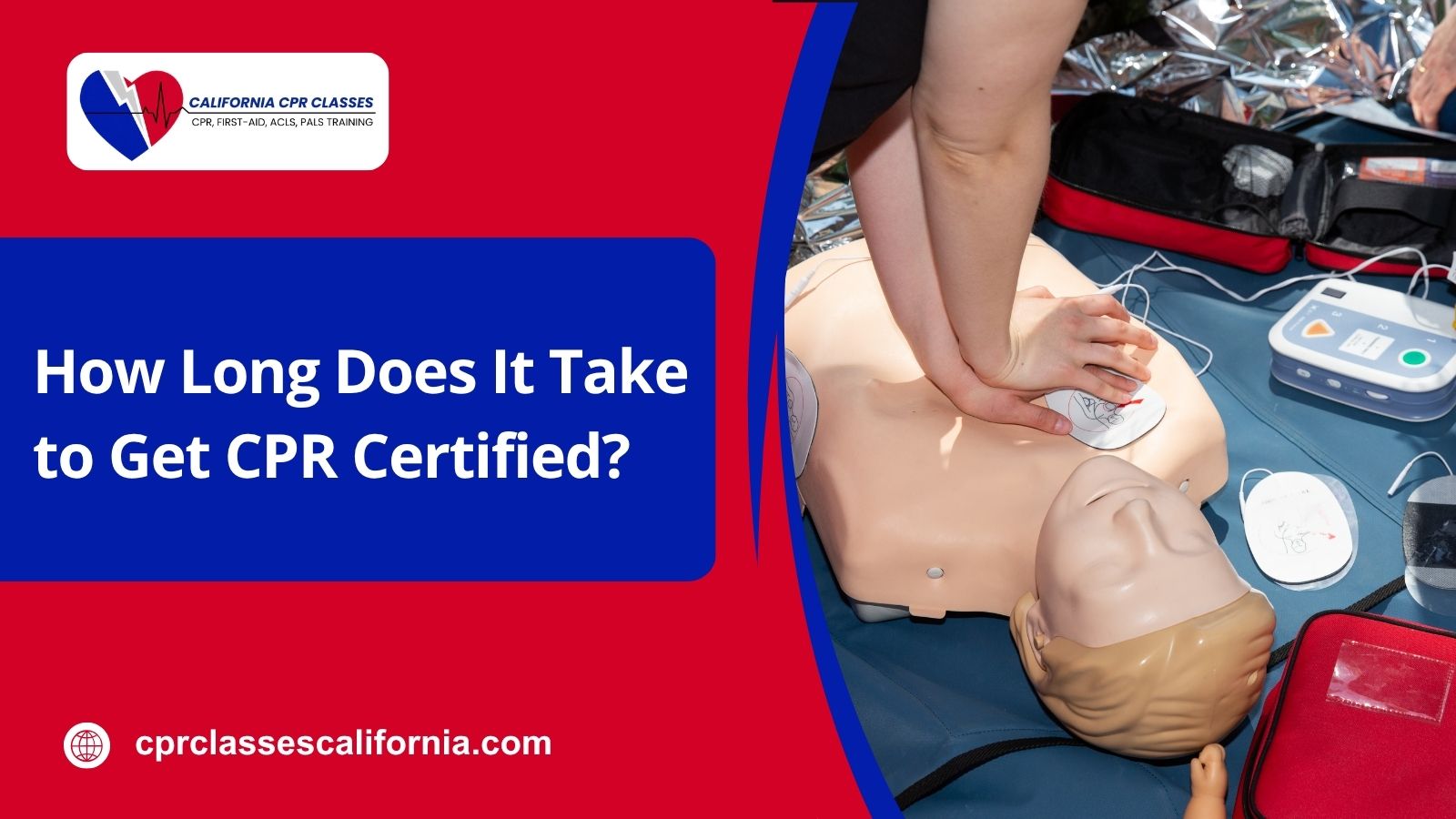
Getting CPR certified is a quick process that equips you with the skills to respond during life-threatening emergencies such as cardiac arrest, choking, and respiratory failure. Most CPR certification courses take between 2 and 6 hours to complete, depending on the type of course, the training format, and whether you’re earning an initial certification or renewing an existing one.
Basic CPR and AED classes for the general public are usually completed in 2–3 hours, while healthcare provider courses such as Basic Life Support (BLS) generally take 3–5 hours. More advanced certifications, including Advanced Cardiovascular Life Support (ACLS) and Pediatric Advanced Life Support (PALS), require additional training time because they cover advanced resuscitation techniques and team-based emergency care.
In this blog, we’ll explain how long it takes to get CPR certified, the average duration of different American Heart Association (AHA) CPR courses, factors that can affect completion time, what to expect during training, and how quickly you can receive your certification card.
Average Time Required for Different CPR Certification Courses
The time it takes to become CPR certified depends on the American Heart Association (AHA) course you choose and the training format. The AHA offers classroom, blended learning (online + hands-on skills session), and, for some courses, self-guided learning. While completion times vary based on class size, learner experience, and instructor pacing, the AHA provides the following estimated course durations.
| AHA Course | Classroom Learning | Blended Learning (Online + Skills Session) |
| Heartsaver® CPR AED | Approximately 3.5 hours | Approximately 3 hours online + 2 hours skills session |
| Heartsaver® First Aid CPR AED | Approximately 3.5 hours | Approximately 3 hours online + 2 hours skills session |
| BLS Provider | Approximately 4.5 hours | Approximately 1–2 hours online + 1 hour hands-on skills session |
| ACLS Provider | Approximately 15.25 hours | Approximately 6–7 hours online + 2.25 hours hands-on skills session |
| PALS Provider | Approximately 16.25 hours | Approximately 7–9 hours online + 2.5 hours hands-on skills session |
Note: These are estimated times. Actual course duration may vary depending on class size, instructor-led discussions, learner experience, remediation needs, equipment availability, optional course content, and scheduled breaks
What Affects How Long It Takes to Get CPR Certified?
The time it takes to get CPR certified depends on several factors, including the course you choose, your learning format, and whether you’re earning your certification for the first time or renewing it. While the American Heart Association (AHA) provides estimated course durations, your actual completion time may vary based on your individual circumstances.
Here are some of the factors that can affect the duration to get CPR certified:
Type of CPR Course
The biggest factor is the type of certification you’re pursuing.
Basic courses such as Heartsaver® CPR AED are designed for the general public and workplace responders, so they typically take less time. Healthcare-focused certifications like Basic Life Support (BLS) require additional instruction on high-quality CPR, team dynamics, and airway management. Advanced courses such as Advanced Cardiovascular Life Support (ACLS) and Pediatric Advanced Life Support (PALS) take longer because they cover complex emergency scenarios, cardiac rhythms, medications, and team-based resuscitation.
Training Format
The format you choose also affects the total time required.
- Instructor-led classroom courses combine lectures, demonstrations, hands-on practice, and skills testing in one session.
- Blended learning (HeartCode®) allows you to complete the online portion at your own pace before attending a shorter hands-on skills session.
- Self-paced online learning gives you the flexibility to pause and resume the course, so completion time depends on your learning speed.
Initial Certification vs. Renewal
First-time students generally need more time to learn CPR concepts and practice essential skills. Renewal courses are often shorter because participants already have prior knowledge and are refreshing their skills. However, students must still successfully complete any required knowledge checks and skills assessments.
Your Learning Pace
Every student learns at a different pace. Some people complete the online modules quickly, while others spend extra time reviewing lessons or practicing techniques before moving on. Self-paced courses allow you to learn at a speed that matches your experience and confidence.
Hands-On Skills Assessment
Most nationally recognized CPR certifications require participants to demonstrate their CPR skills before receiving a certification card. The time needed for the skills session varies depending on the course and how many students are being evaluated.
Class Size
Instructor-led classes with fewer students often move more efficiently because instructors can provide feedback and complete skills testing more quickly. Larger classes may take longer due to additional practice time and individual evaluations.
Instructor-Led Discussions and Practice
Some instructors spend additional time answering questions, reviewing difficult concepts, or allowing extra hands-on practice. While this may increase the course length slightly, it helps students build confidence and improve their CPR skills.
Training Provider Scheduling
The overall time to become CPR certified may also depend on course availability. Some training centers offer same-day classes, while others schedule courses weekly or monthly. If you choose a blended learning course, you can often complete the online portion immediately and schedule your skills session at a convenient time.
What Happens During a CPR Certification Course?
A CPR certification course combines classroom or online instruction with hands-on practice to teach participants how to recognize and respond to life-threatening emergencies. Whether you’re taking a Heartsaver CPR AED, BLS, ACLS, or PALS course, the goal is to build the knowledge and practical skills needed to perform high-quality CPR and use an automated external defibrillator (AED) confidently.
The exact course content varies depending on the certification level, but most CPR courses include the following components.
Learn CPR Fundamentals
The course begins with instruction on recognizing medical emergencies and understanding when CPR is needed. Participants learn the latest resuscitation guidelines and the steps to take before emergency medical services (EMS) arrive.
Topics commonly covered include:
- Recognizing cardiac arrest and breathing emergencies
- Activating the emergency response system (calling 911)
- Performing high-quality chest compressions
- Delivering rescue breaths
- Using an automated external defibrillator (AED)
- Providing relief for choking victims
Healthcare provider courses such as BLS, ACLS, and PALS also cover advanced concepts, including team-based resuscitation, airway management, and emergency cardiovascular care.
Practice CPR Skills on Manikins
Hands-on practice is one of the most important parts of CPR training. Participants perform CPR on adult, child, and infant manikins to develop proper technique and confidence.
During practice, students learn how to:
- Position their hands correctly for chest compressions
- Achieve the recommended compression depth and rate
- Deliver effective rescue breaths
- Perform single-rescuer and two-rescuer CPR
- Use an AED safely and effectively
- Respond to choking emergencies
Many training centers use feedback devices or voice-assisted manikins to help students improve the quality of their CPR.
Complete a Skills Assessment
Before receiving certification, participants must demonstrate that they can perform CPR correctly. The instructor or approved skills evaluation system assesses whether students meet the required performance standards based on current resuscitation guidelines.
Depending on the course, the assessment may include:
- Performing adult, child, and infant CPR
- Demonstrating proper AED use
- Providing choking relief
- Completing team-based CPR scenarios (for healthcare provider courses)
Completing a Knowledge Evaluation
Some CPR certification courses also include a written or online knowledge assessment to verify understanding of key concepts and emergency response procedures. Students must successfully complete any required evaluations before earning their certification.
Receive Your CPR Certification
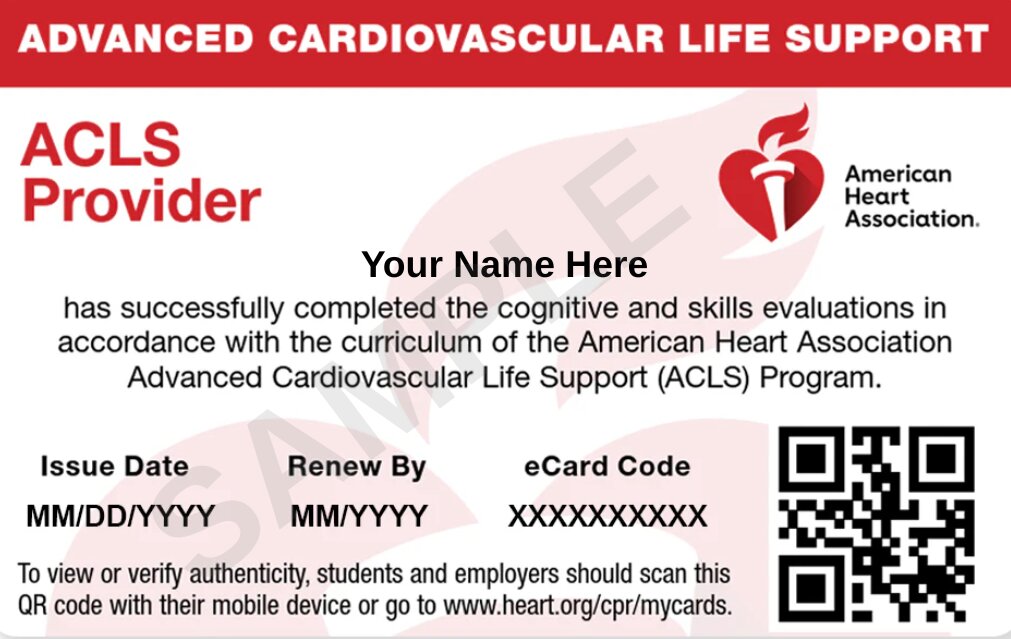
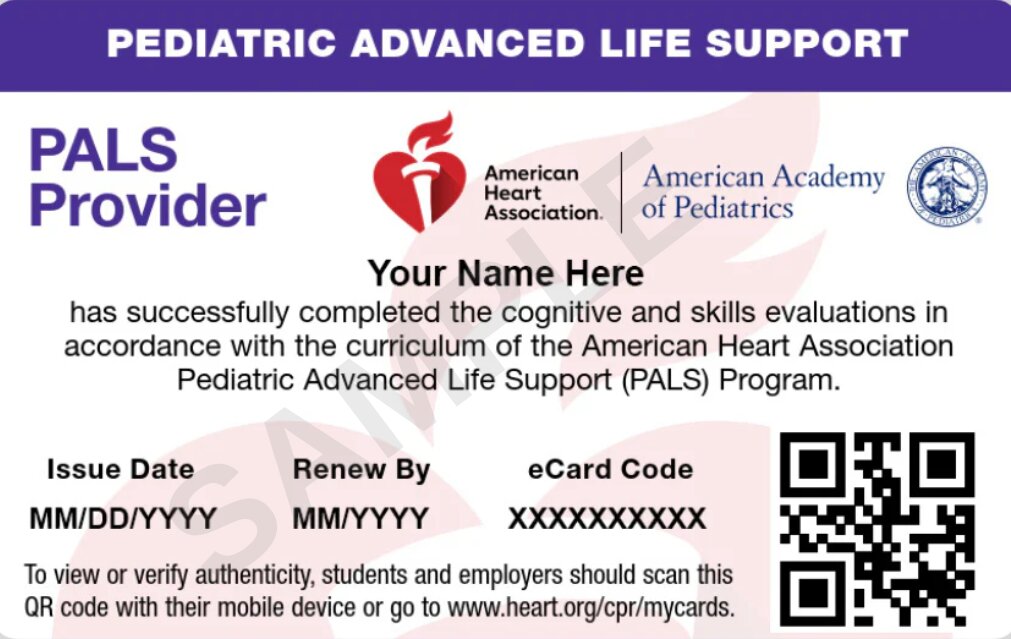
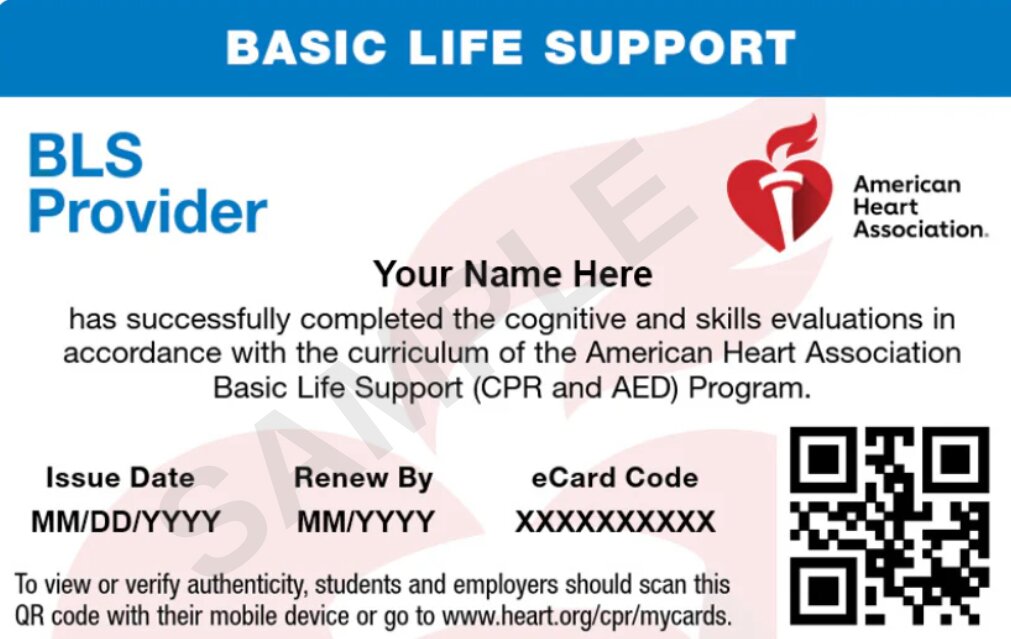
After successfully completing the required training and assessments, participants receive a CPR course completion card. Many training providers issue a digital certification card the same day or within 24–48 hours, allowing students to provide proof of certification to employers, licensing boards, or educational institutions.
Can You Get CPR Certified in One Day?
Yes, you can get CPR certified in one day. Many CPR certification courses are designed to be completed within a single training session, allowing students to learn essential life-saving skills, complete hands-on practice, pass the required assessment, and receive their certification card shortly after finishing the course. The exact time required depends on the type of CPR certification course, the training provider, and the learning format you choose. Basic CPR courses for the general public are often completed in just a few hours, while advanced healthcare certifications require more time.
Is CPR Certification Difficult?
No, CPR certification is not considered difficult for most people. American Heart Association (AHA) CPR courses are designed for learners of all experience levels, including those with no prior medical training. Whether you’re a healthcare professional, teacher, coach, childcare provider, or community member, the course provides step-by-step instruction to help you build the knowledge and practical skills needed to respond during an emergency.
Rather than focusing on memorizing complex medical concepts, CPR training emphasizes hands-on learning and real-world application. Instructors demonstrate each technique, guide participants through practice sessions, and provide feedback to help ensure skills are performed correctly.
Learn More: Is CPR Training Hard?
Do You Need to Pass a Test?
Yes, most CPR certification courses require participants to successfully complete an assessment before receiving their certification card. However, CPR certification is not designed to be a difficult exam. The purpose of the assessment is to confirm that you understand the essential concepts and can perform CPR skills correctly during an emergency.
For American Heart Association (AHA) CPR courses, students must complete the required course components, including any knowledge checks and hands-on skills evaluations, before earning an AHA course completion card.
Learn More: What If I Fail the CPR Test?
How Long Is CPR Certification Valid?
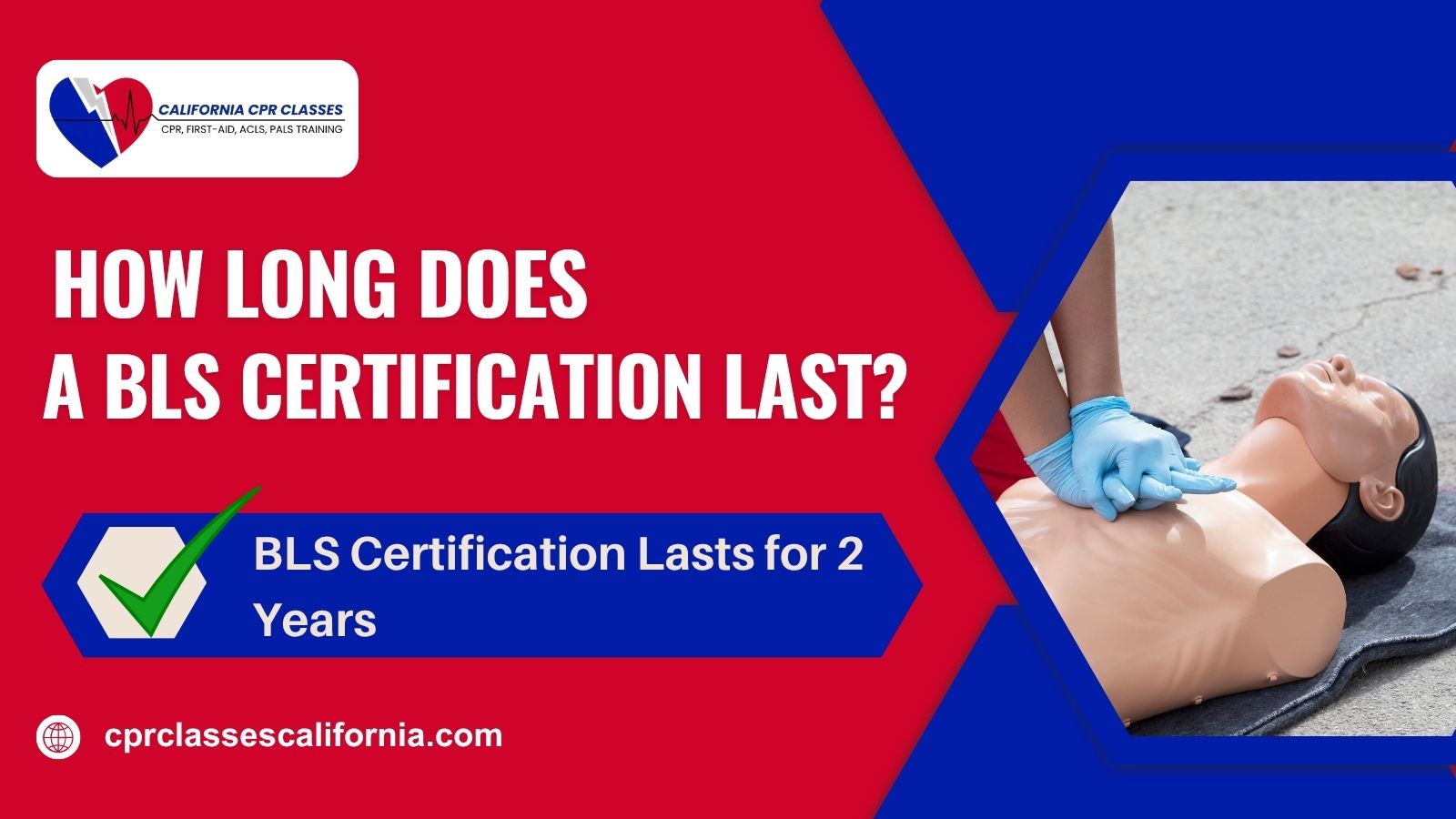
Most CPR certifications are valid for two years from the date of successful course completion. After this period, individuals typically need to complete a CPR renewal course to update their skills and maintain a current certification.
Organizations such as the American Heart Association (AHA) recommend renewing CPR training regularly because CPR guidelines, emergency response recommendations, and best practices can change over time. Regular renewal also helps ensure that skills such as chest compressions, AED use, and emergency response procedures remain fresh.
Is the Time Investment Worth It?
Yes, the time investment required to get CPR certified is worth it for most people. While CPR certification usually takes only a few hours to complete, the skills you learn can help you respond during a life-threatening emergency when immediate action is needed.
CPR is a practical skill that can benefit you at home, in the workplace, and in public situations. A short training session can provide the knowledge and confidence needed to help someone experiencing cardiac arrest before emergency responders arrive.
Get CPR Certified Today and Be Prepared to Save a Life
Getting CPR certified is a quick and worthwhile process that can usually be completed within a few hours, depending on the course type and training format. Whether you choose an AHA Heartsaver® CPR AED, BLS, ACLS, or PALS course, you gain essential knowledge and hands-on skills to respond confidently during cardiac arrest, choking, and other emergencies. While CPR certification requires time for learning, practice, and assessment, the skills you develop can help you make a life-saving difference when every second matters. Maintaining your certification through regular renewal also ensures your skills stay current and meet workplace or professional requirements.
If you are looking for a reliable CPR training provider, CPR Classes California is an American Heart Association (AHA)-approved training center offering CPR, BLS, ACLS, and PALS certification courses with convenient training options. With same-day CPR certification, instant digital certification cards, and a 99.99%+ pass rate, CPR Classes California helps students complete their training confidently and quickly while gaining the skills needed to respond effectively during emergencies.