
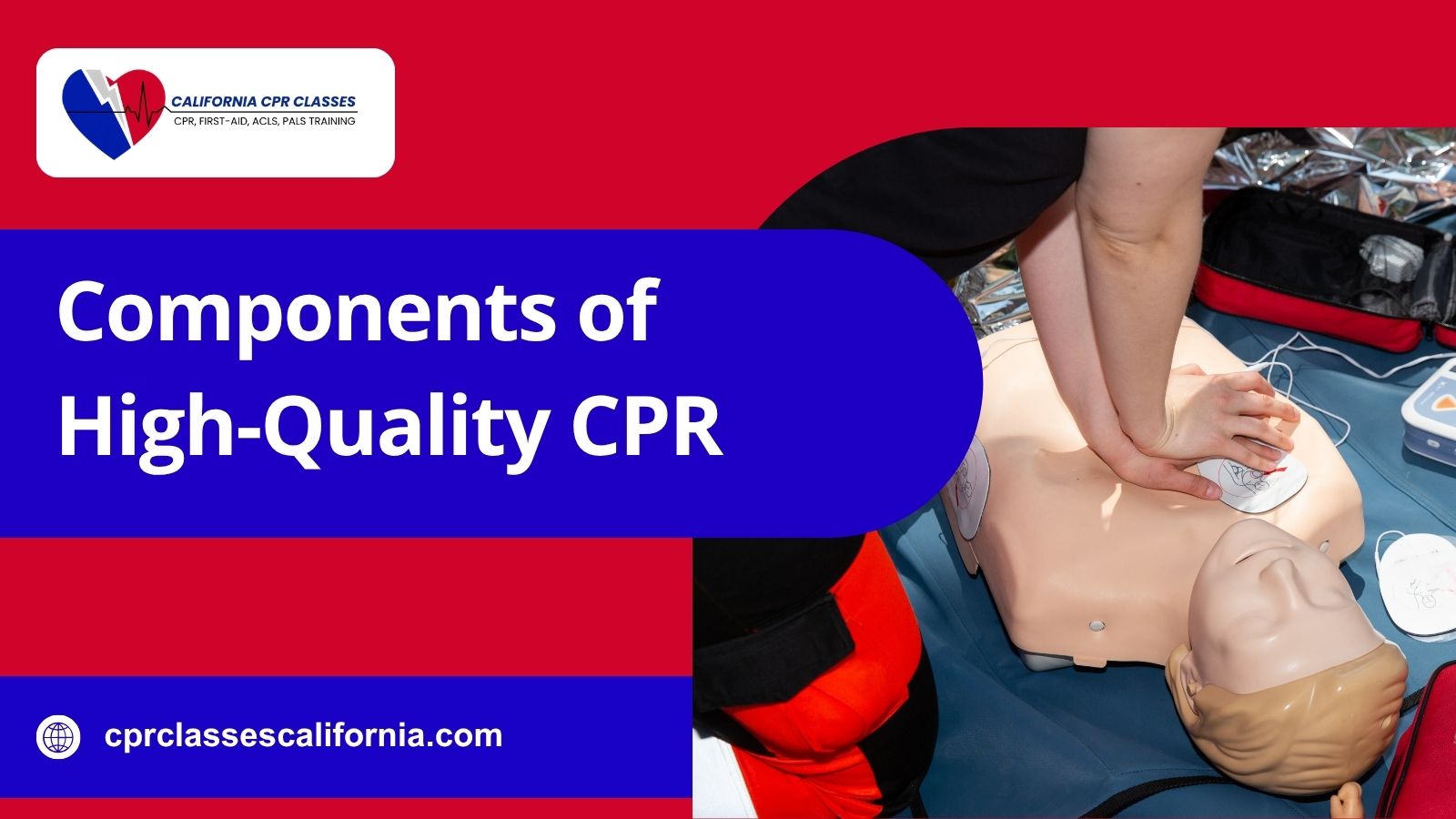
The components of high-quality CPR (cardiopulmonary resuscitation) include adequate chest compression depth, a rate of 100–120 compressions per minute, complete chest recoil, minimal interruptions, and appropriate ventilation. These components help maintain blood flow to the brain and heart during cardiac arrest and improve the chances of successful resuscitation. Correct hand placement, early automated external defibrillator (AED) use, and effective coordination among rescuers also contribute to CPR quality.
For adults, rescuers should compress the chest at least 2 inches (5 cm) deep while avoiding depths greater than 2.4 inches (6 cm). Each compression should allow the chest to return to its normal position, and pauses should be kept as short as possible. When rescue breaths are indicated, rescuers should provide them effectively without excessive ventilation. These techniques follow the core principles in the American Heart Association’s (AHA) 2025 Adult Basic Life Support Guidelines.
This guide explains the five main components of high-quality CPR, other important elements of effective resuscitation, how to perform CPR correctly, and what research reveals about the quality of bystander CPR.
What Is High-Quality CPR?
High-quality CPR is the delivery of effective chest compressions and appropriate ventilation during cardiac arrest, with minimal interruptions and correct technique. Its primary purpose is to maintain blood circulation to the brain and other vital organs until the heart’s rhythm can be restored or advanced medical care takes over.
The term “high-quality CPR” gained formal prominence in resuscitation guidelines in 2010, when the American Heart Association emphasized the need to deliver high-quality CPR during every resuscitation attempt. In 2013, a major AHA consensus statement, Cardiopulmonary Resuscitation Quality: Improving Cardiac Resuscitation Outcomes Both Inside and Outside the Hospital, outlined five critical components: minimizing interruptions, maintaining adequate compression rate and depth, avoiding leaning on the chest between compressions, and avoiding excessive ventilation. These recommendations helped establish measurable standards for assessing and improving CPR performance.
What Are the 5 Main Components of High-Quality CPR?
Components of high-quality CPR help maintain blood flow to the brain and heart during cardiac arrest. The American Heart Association (AHA) adult Basic Life Support guidelines outline the recommended components and standards for effective CPR.
Below are the 5 main components of high-quality CPR:
1. Adequate Chest Compression Depth
One of the most important components of high-quality CPR is adequate chest compression depth. For adults, compressions should reach at least 2 inches (5 cm) but not exceed 2.4 inches (6 cm). Adequate depth helps circulate blood to vital organs, while shallow compressions reduce blood flow.
A systematic review and meta-analysis found an association between chest compression depth and improved resuscitation outcomes. Rescuers should maintain the recommended depth without compressing excessively.
2. Correct Chest Compression Rate
Another important component of high-quality CPR is maintaining the correct compression rate. Adults should receive 100–120 chest compressions per minute. Compressing too slowly reduces the number of compressions delivered, while excessively rapid compressions can compromise compression depth and chest recoil.
Maintain a steady rhythm without sacrificing compression quality. A metronome or CPR feedback device can help during training. Remember that meeting the recommended rate alone does not guarantee high-quality CPR; compressions must also reach the correct depth and allow complete recoil.
3. Minimal Interruptions in Chest Compressions
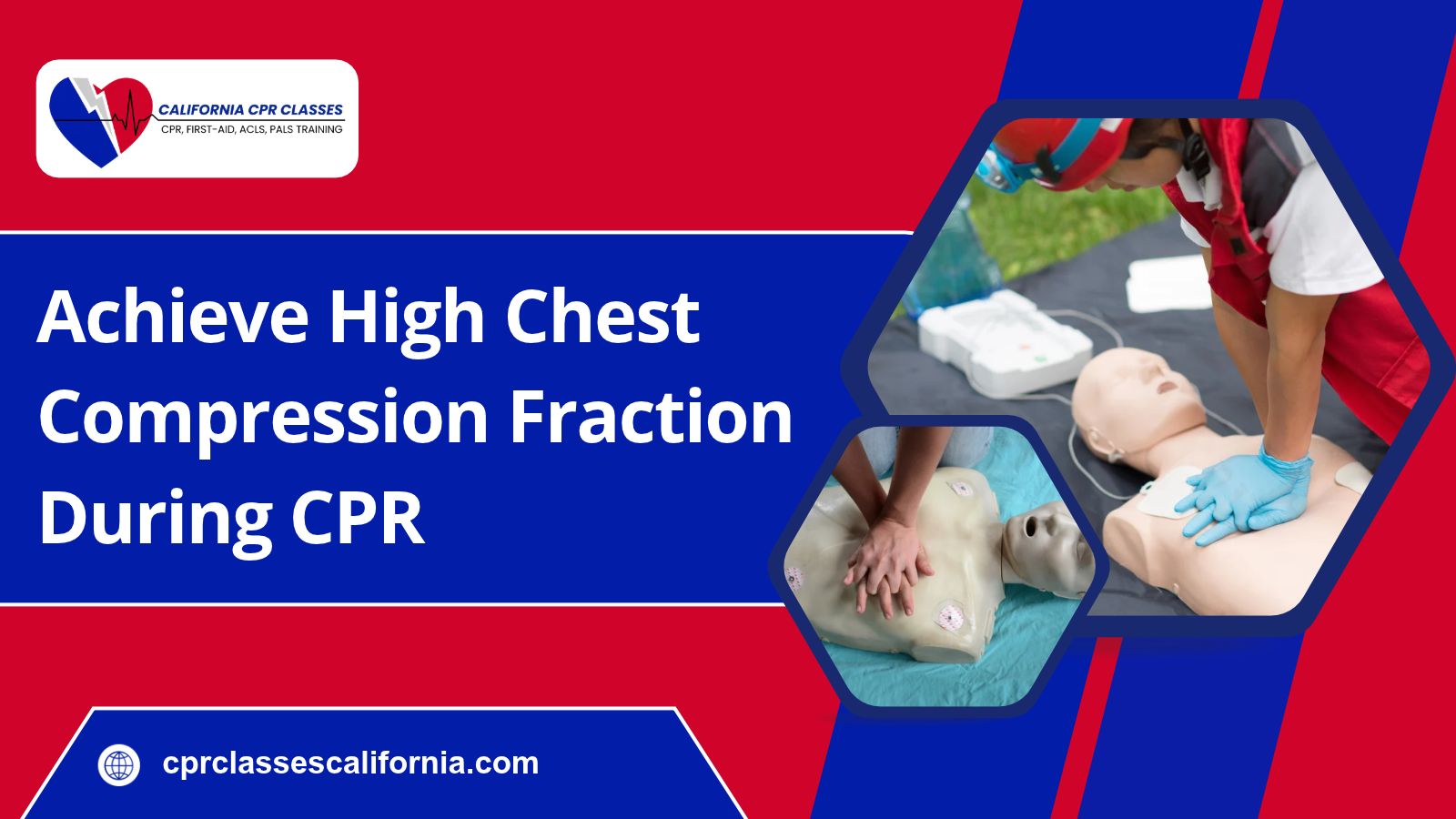
Minimizing interruptions is also an essential component of high-quality CPR and one of the most effective ways to achieve high chest compression fraction (CCF). Pauses reduce the blood flow generated by chest compressions, so rescuers should keep necessary interruptions for AED analysis, shock delivery, and rescue breaths as short as possible and resume compressions promptly.
Chest compression fraction (CCF) measures the percentage of resuscitation time spent performing compressions. For example, compressions delivered for 8 of 10 minutes produce an 80% CCF. The AHA adult Basic Life Support guidelines identify a CCF of at least 60% as a reasonable target, while high-performance teams often aim for more than 80%.
4. Complete Chest Recoil
Complete chest recoil is another key component of high-quality CPR. It means allowing the chest to return fully to its normal position after every compression, helping blood return to the heart before the next compression. Leaning on the chest between compressions can interfere with this process and reduce circulation.
A scoping review published in PubMed examined evidence related to chest compression quality, including recoil. Rescuers should release downward pressure after each compression while keeping their hands in the correct position.
5. Avoiding Excessive Ventilation
The final component of high-quality CPR is providing appropriate ventilation without delivering breaths too quickly or forcefully. For adults receiving CPR without an advanced airway, trained rescuers generally provide 30 chest compressions followed by 2 rescue breaths. Each breath should last about 1 second and produce visible chest rise.
Excessive ventilation increases pressure inside the chest, which can reduce blood return to the heart and compromise circulation. Rescuers should provide only enough air to produce visible chest rise while minimizing interruptions in compressions. Untrained bystanders responding to sudden adult cardiac arrest can perform hands-only CPR while emergency services are contacted. Different protocols apply to infants, children, and patients with an advanced airway.
What Are the Other Important Elements of Effective CPR?
In addition to the five main components of high-quality CPR, effective resuscitation depends on early cardiac arrest recognition, rapid emergency response, correct hand placement, early AED use, team coordination, and CPR quality monitoring. These elements help reduce delays and improve the effectiveness of resuscitation.
Here are other important elements of effective CPR:
1. Early Recognition of Cardiac Arrest
One of the first steps in effective CPR is recognizing cardiac arrest quickly. If a person is unresponsive and is not breathing normally or is only gasping, assume cardiac arrest and act immediately. Gasping is not normal breathing and should not delay CPR.
2. Rapid Emergency Response
Another important element is activating emergency medical services (EMS) as quickly as possible. Call your local emergency number and use speakerphone to follow the dispatcher’s instructions while starting CPR. If another person is present, ask them to call for help and retrieve an AED.
3. Correct Hand Placement
Correct hand placement directs compression force toward the heart. For adults, place the heel of one hand in the center of the chest on the lower half of the breastbone (sternum), then place the other hand on top. Keep your arms straight and shoulders directly above your hands to deliver consistent compressions.
4. Early AED Use
An automated external defibrillator (AED) analyzes the heart’s rhythm and delivers a shock when indicated. Early AED use can improve survival from shockable cardiac rhythms. Continue CPR while someone retrieves the device, follow its voice prompts, and resume compressions promptly when instructed.
5. Effective Team Coordination
Clear communication and defined roles help teams minimize delays during resuscitation. Team members can divide responsibilities for chest compressions, ventilation, AED operation, and emergency coordination. Rescuers should generally switch compressors about every two minutes, or sooner if fatigue reduces compression quality, while minimizing interruptions.
6. Monitoring CPR Quality
Monitoring helps rescuers identify and correct problems during resuscitation. CPR feedback devices can measure compression rate, depth, and recoil. Healthcare professionals may also monitor end-tidal carbon dioxide (ETCO₂) to assess CPR performance. These tools support clinical judgment but do not replace effective compressions, appropriate ventilation, or timely defibrillation.
How Do You Perform High-Quality CPR?
Performing high-quality CPR involves recognizing cardiac arrest, activating emergency services, delivering effective chest compressions, providing appropriate rescue breaths when trained, and using an AED as soon as possible.
Follow these steps for adult CPR:
- Check Scene Safety. Before approaching the person, check for hazards such as traffic, fire, electrical dangers, violence, or other immediate risks. Do not enter an unsafe area. Once the scene is safe, approach the person and check their responsiveness.
- Check responsiveness and breathing. Check whether the person responds and is breathing normally. Gasping is not normal breathing. A healthcare professional should check for a pulse for no more than 10 seconds; lay rescuers should not delay CPR by checking for a pulse.
- Call emergency services. Contact your local emergency number or ask someone nearby to call. Put your phone on speaker so you can follow the dispatcher’s instructions.
- Position your hands correctly. Lay the person on their back on a firm, flat surface. Place the heel of one hand in the center of the chest, over the lower half of the breastbone, and put your other hand on top.
- Deliver effective chest compressions. Compress the chest at a rate of 100 to 120 per minute and a depth of at least 2 inches (5 cm), avoiding depths greater than 2.4 inches (6 cm). Allow complete chest recoil after every compression and minimize interruptions.
- Provide rescue breaths if trained. For conventional adult CPR, give 30 compressions followed by 2 breaths. Each breath should last about one second and produce visible chest rise. If you are untrained or unwilling to give breaths, perform hands-only CPR for an adult who suddenly collapses.
- Use an AED as soon as available. Turn on the automated external defibrillator, attach the pads as shown, and follow its instructions. Ensure nobody touches the person during rhythm analysis or shock delivery. Resume CPR promptly when instructed.
- Continue until help takes over. Continue CPR and follow AED prompts until the person shows signs of life, trained responders take over, the scene becomes unsafe, or you are physically unable to continue.
Why Is High-Quality CPR Important?
High-quality CPR is essential during cardiac arrest because it maintains blood flow to the brain and other vital organs until the heart’s rhythm can be restored. Effective compressions, appropriate ventilation, and minimal interruptions improve the conditions for successful resuscitation.
Below are the major benefits of high-quality CPR:
1. Maintains Blood Flow to Vital Organs
During cardiac arrest, the heart cannot pump blood effectively. Chest compressions help circulate oxygenated blood to the brain and other vital organs, reducing the effects of oxygen deprivation. Adequate compression depth, the correct rate, and complete chest recoil support this circulation.
2. Improves the Chances of Survival
Early, effective CPR increases the chance of survival after cardiac arrest. Research published in Circulation has linked higher-quality chest compressions with improved outcomes following out-of-hospital cardiac arrest. CPR is especially important when started promptly while emergency medical services are on the way.
3. Supports Successful Defibrillation
CPR helps maintain blood flow while rescuers prepare for defibrillation. When cardiac arrest involves a shockable rhythm, early AED use can restore an effective heart rhythm. High-quality CPR before and after a shock supports circulation while minimizing delays in treatment.
4. Reduces Delays During Resuscitation
Frequent or prolonged interruptions reduce the blood flow generated by compressions. Maintaining a consistent compression rate, minimizing unnecessary pauses, and coordinating team roles help deliver more effective CPR throughout resuscitation.
5. Improves Resuscitation Team Performance
In team-based emergencies, high-quality CPR standards give rescuers measurable goals for compression depth, rate, recoil, and interruptions. Clear role assignments, feedback devices, and regular skills practice help teams identify problems and maintain consistent performance.
What Common Mistakes Reduce CPR Quality?
Common CPR mistakes include shallow compressions, incorrect compression rate, incomplete chest recoil, unnecessary interruptions, excessive ventilation, and delayed AED use. These errors reduce blood flow to vital organs and can make resuscitation less effective.
1. Performing Shallow Chest Compressions
Compressions that do not reach the recommended depth generate less blood flow. For adults, compress the chest at least 2 inches (5 cm), avoiding depths greater than 2.4 inches (6 cm).
2. Compressing Too Slowly or Too Quickly
Adult compressions should remain within the recommended rate of 100–120 per minute. A rate that is too slow reduces compression frequency, while excessively rapid compressions can compromise depth and recoil.
3. Leaning on the Chest Between Compressions
Failing to allow complete chest recoil interferes with blood returning to the heart. Release downward pressure after every compression while keeping your hands in position.
4. Interrupting Compressions Unnecessarily
Long pauses reduce the blood flow generated by CPR. Keep interruptions for rescue breaths, AED rhythm analysis, and shock delivery as short as possible, and resume compressions promptly.
5. Providing Excessive Rescue Breaths
Breathing too quickly or forcefully increases pressure inside the chest and can reduce blood return to the heart. For adult CPR without an advanced airway, trained rescuers should generally provide 2 breaths after every 30 compressions, with each breath lasting about 1 second and producing visible chest rise.
6. Delaying AED Use
Waiting too long to use an available automated external defibrillator delays treatment for shockable heart rhythms. Ask someone to retrieve an AED while CPR continues, then follow the device’s prompts as soon as it arrives.
7. Using Incorrect Hand Placement
Placing the hands in the wrong position can reduce compression effectiveness and increase the risk of injury. For adults, place the heel of one hand in the center of the chest on the lower half of the breastbone, with the other hand on top.
8. Allowing Fatigue to Reduce Compression Quality
Fatigue can cause compressions to become shallower, slower, or inconsistent. During team-based CPR, rescuers should generally switch compressors about every two minutes, or sooner if quality declines, while minimizing interruptions.
What Percentage of Bystander CPR Is High Quality?
There is no single established percentage of bystander CPR that meets all high-quality CPR standards. Research shows that adherence varies by compression rate, depth, and the amount of time spent performing compressions. These measures should be evaluated separately because meeting one target does not mean the entire CPR performance is high quality.
A 2017 study published in Resuscitation, Quality of Bystander Cardiopulmonary Resuscitation During Real-Life Out-of-Hospital Cardiac Arrest, analyzed 136 cases and found that:
- 42% of cases met the recommended compression rate of 100–120 per minute.
- 26% met the recommended compression depth of 5–6 cm.
- 51% achieved a chest compression fraction of at least 60%.
A separate 2018 study published in Resuscitation, Analysis of Bystander CPR Quality During Out-of-Hospital Cardiac Arrest Using Data Derived From Automated External Defibrillators, analyzed 100 cases. It found that 66% met the compression rate target, 55% met the compression depth target, and the average chest compression fraction was approximately 76%.
How Can You Improve High-Quality CPR Skills?
Improving high-quality CPR skills requires hands-on practice, regular training, and feedback on compression technique. Rescuers who practice the recommended compression rate, depth, chest recoil, and ventilation are better prepared to respond during cardiac emergencies.
Below are the methods to improve high-quality CPR skills:
1. Take a CPR Certification Course
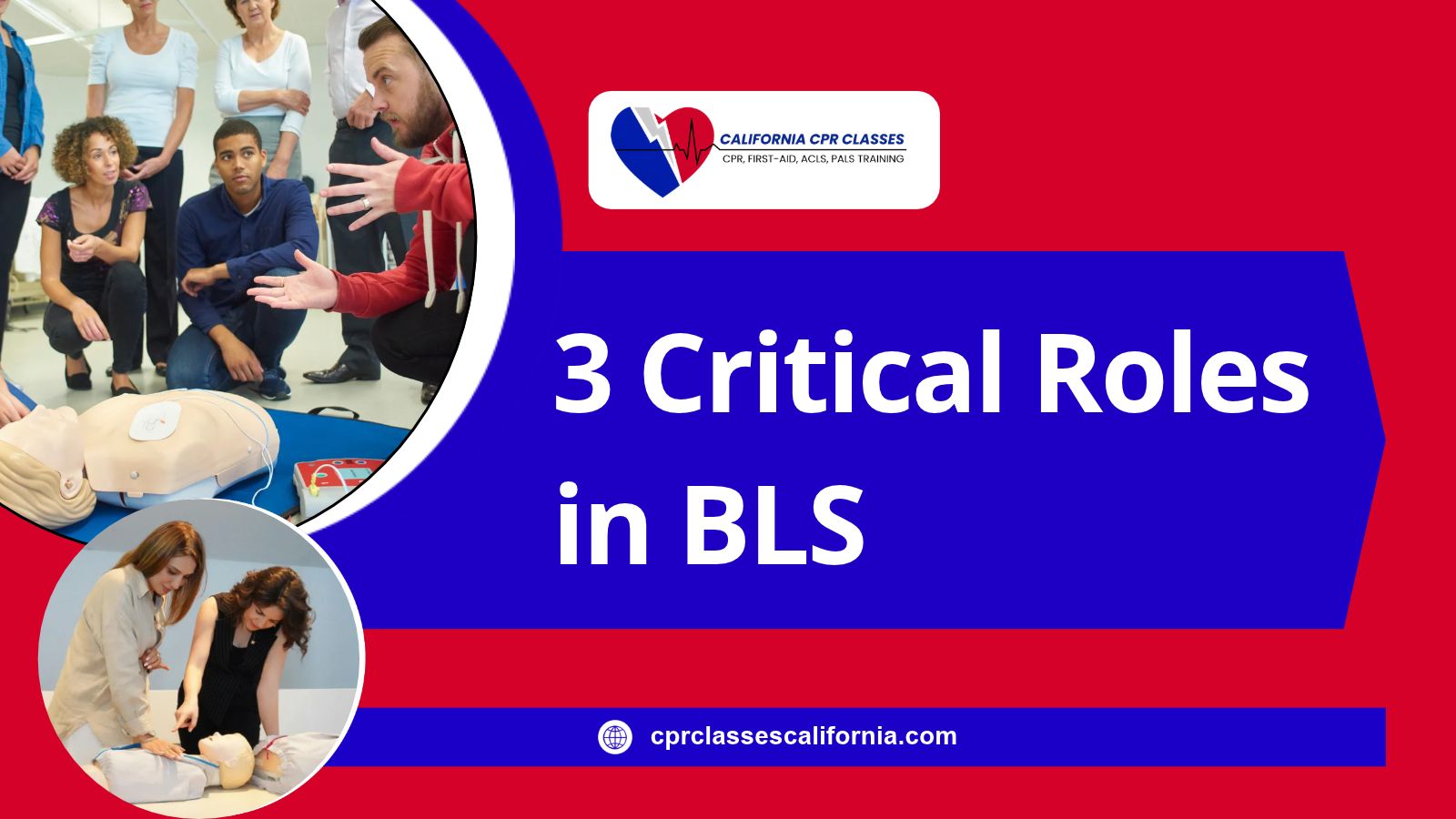
A CPR certification course teaches the correct techniques for chest compressions, rescue breaths, AED use, and emergency response. Hands-on practice with a training manikin helps learners develop proper hand placement, compression depth, and rhythm. Healthcare professionals can pursue Basic Life Support (BLS) training to practice these skills in clinical scenarios.
2. Practice With CPR Feedback Devices
CPR feedback devices measure compression rate, depth, and recoil during practice. They help learners identify errors and adjust their technique to meet recommended standards. Feedback-enabled manikins are particularly useful for developing consistent compressions.
3. Focus on Compression Quality
Practice maintaining a rate of 100–120 compressions per minute, reaching the recommended adult depth of at least 2 inches (5 cm), and allowing complete chest recoil. Avoid leaning on the chest and minimize interruptions during practice scenarios.
4. Practice Team-Based Resuscitation
Team practice helps rescuers coordinate compressions, rescue breaths, AED use, and emergency communication. Practice switching compressors about every two minutes while keeping pauses as short as possible. Clear communication helps prevent delays and maintain CPR quality.
5. Refresh Your Skills Regularly
CPR skills can decline without practice. Refresher training helps reinforce correct technique and prepares rescuers to respond confidently. Follow current resuscitation guidelines and your certification provider’s renewal requirements.
Improve Your High-Quality CPR Skills With CPR Classes California
High-quality CPR is essential for maintaining blood flow to the brain and heart during cardiac arrest. Effective resuscitation requires adequate chest compression depth, a rate of 100–120 compressions per minute, complete chest recoil, minimal interruptions, and appropriate ventilation. Early recognition of cardiac arrest, prompt emergency response, and timely AED use further improve the chances of survival. Regular CPR training and practice with feedback devices help rescuers develop the skills needed to deliver effective compressions and respond confidently during cardiac emergencies.
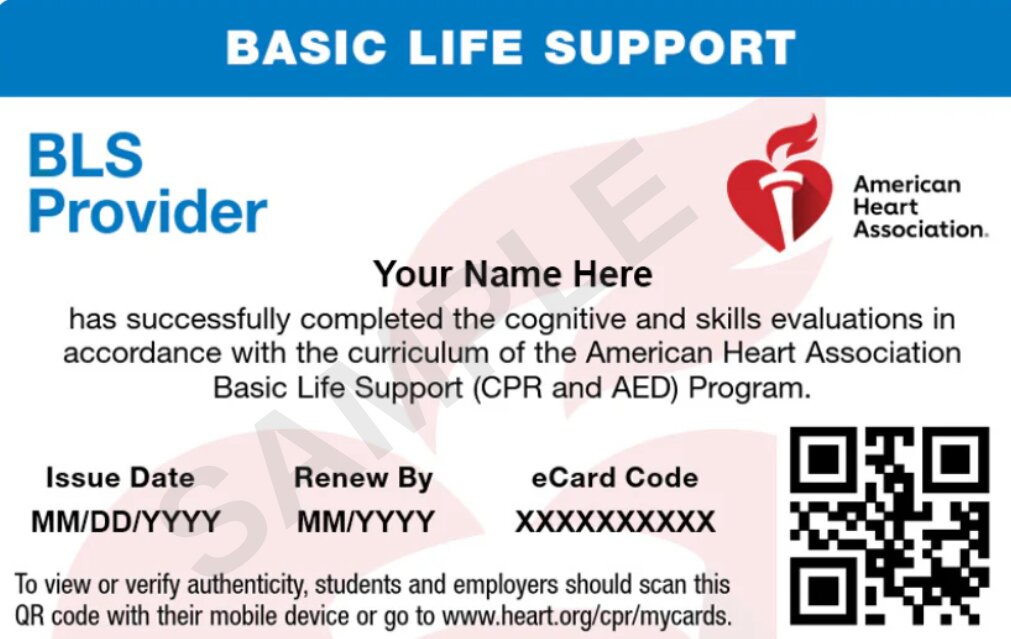
Improve your CPR skills with CPR Classes California. Our American Heart Association (AHA) BLS, ACLS, and PALS courses help healthcare professionals develop essential resuscitation skills through flexible blended learning. Complete the online coursework at your own pace, followed by a short, in-person skills session. Earn your AHA certification and build the confidence to respond effectively during cardiac emergencies. Enroll today with CPR Classes California and strengthen your life-saving skills.