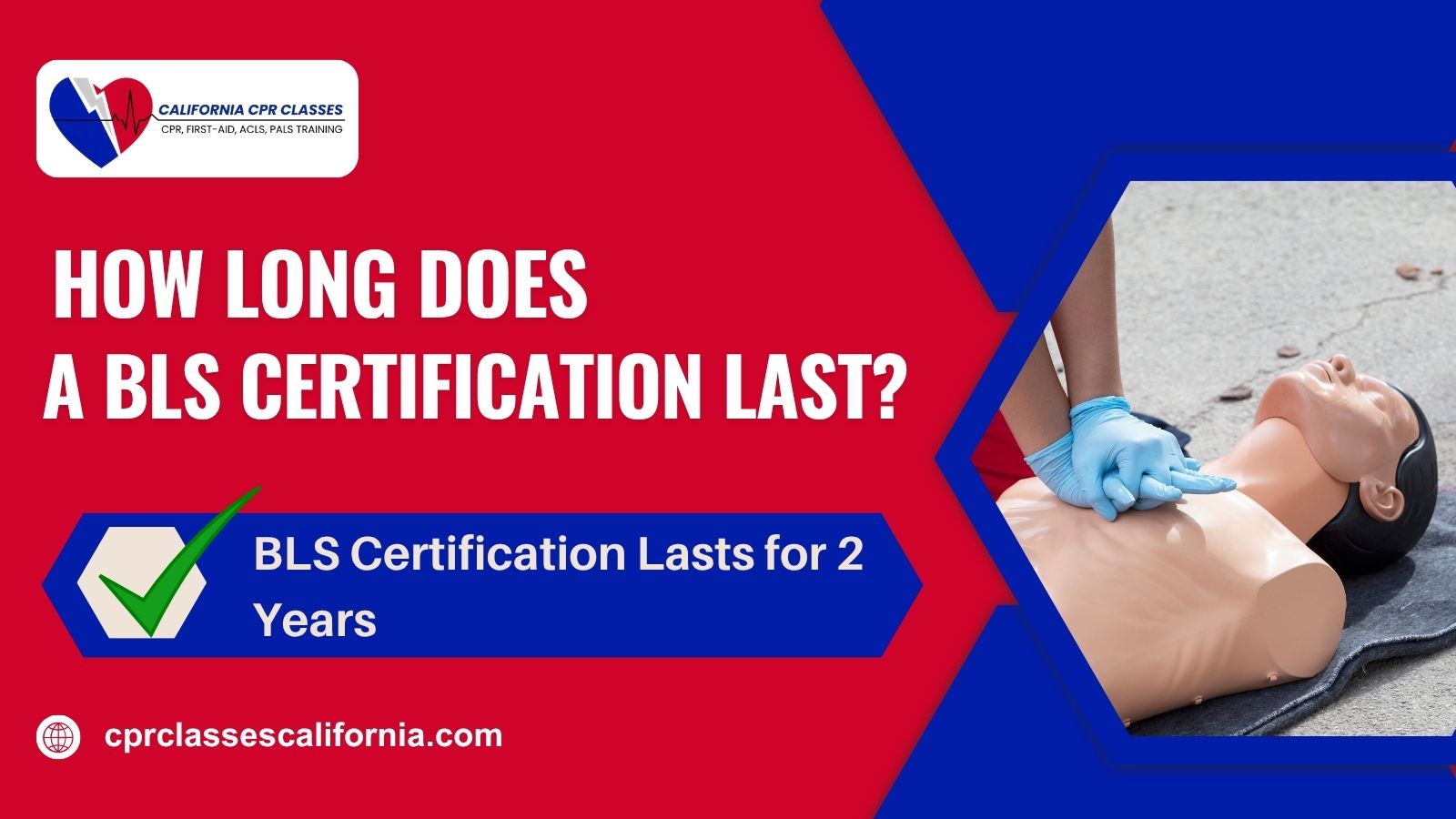
BLS certification is an essential credential for healthcare professionals and other trained responders who need to demonstrate current skills in Basic Life Support, including CPR, AED use, and emergency response. Understanding how long a BLS certification lasts is important for staying compliant with workplace, school, clinical, and professional requirements. In most cases, a BLS certification is valid for two years from the date of successful course completion, although requirements can vary depending on the certifying organization and employer.
Knowing your BLS certification expiration date can help you avoid an unexpected lapse in your credential. When certification expires, you may need to complete a BLS renewal or recertification course before you can provide proof of current certification. Renewing on time also gives you an opportunity to refresh essential life-saving skills, review current resuscitation practices, and maintain confidence in responding to cardiac and breathing emergencies.
In this guide, we explain how long BLS certification is valid, why it typically lasts two years, when to renew, what happens after expiration, and how to check your certification status.
How Long Is a BLS Certification Valid?
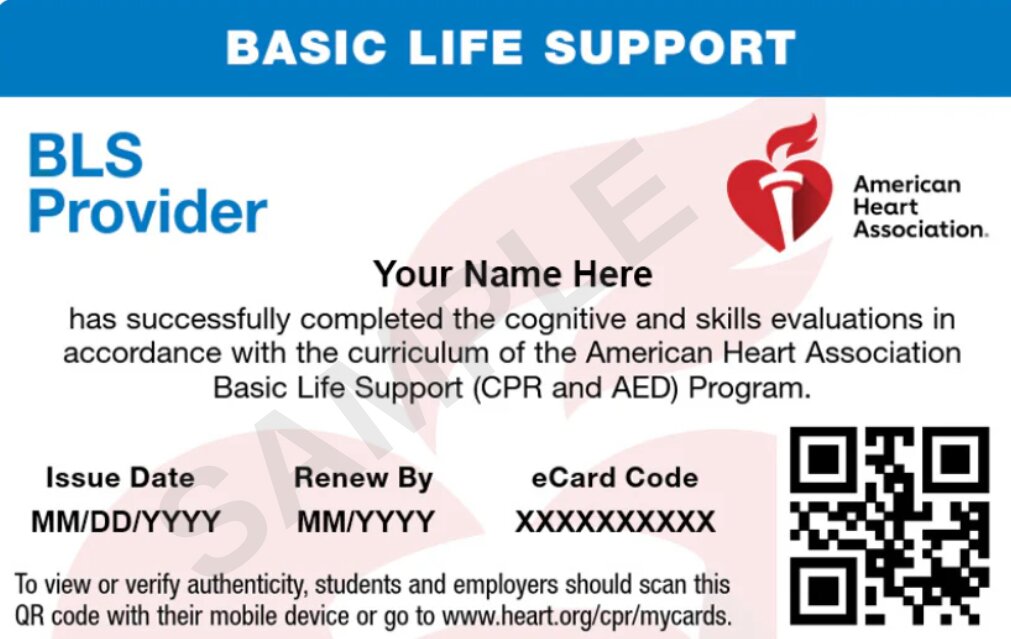
A BLS certification is generally valid for two years from the date of successful course completion. Once this period ends, the certification expires, and you may need to complete a BLS renewal or recertification course to maintain a current credential. Your exact expiration date is listed on your BLS certification card or digital credential, so checking this date regularly can help you avoid an unexpected lapse in certification.
The two-year validity period also helps healthcare professionals maintain proficiency in essential Basic Life Support skills. BLS renewal provides an opportunity to refresh CPR and AED techniques, review current resuscitation practices, and demonstrate continued competency in responding to cardiac and breathing emergencies. If your certification is approaching its expiration date, planning your renewal in advance can help ensure you remain compliant with your employer’s requirements and ready to respond effectively in an emergency.
Why Does BLS Certification Last Only for Two Years?
BLS certification typically lasts for two years because Basic Life Support skills need to be refreshed and practiced regularly. Healthcare professionals and other trained responders must be able to perform essential skills such as high-quality CPR, AED use, rescue breathing, and responding to cardiac or respiratory emergencies. Over time, skills and knowledge can decline without regular practice, making periodic BLS training important for maintaining competency.
There are several key reasons why BLS certification is renewed every two years:
- Skills can decline over time: Regular training helps healthcare professionals maintain confidence and proficiency in CPR, AED use, and other life-saving techniques.
- Resuscitation guidelines can change: New research and evidence may lead to updates in CPR and BLS recommendations. Renewal training helps professionals stay familiar with current practices.
- Hands-on practice is important: BLS renewal provides an opportunity to practice critical skills and demonstrate that they can be performed correctly.
- Continued competency matters: Regular certification helps ensure that trained responders remain prepared to act effectively during cardiac or breathing emergencies.
- Workplace requirements: Many healthcare employers and professional organizations require workers to maintain a current BLS certification.
Overall, the two-year BLS certification period is designed to encourage regular training, skills practice, and continued competency.
When Should You Renew Your BLS Certification?
You should renew your BLS certification before it expires to avoid a lapse in your credential. Most BLS certifications are valid for two years, so it is a good idea to check the expiration date on your certification card or digital credential and plan your renewal in advance. Starting the renewal process several weeks before expiration gives you enough time to find an approved course, complete the required training, and receive your updated certification without interrupting your professional requirements.
Here are some situations when you should consider renewing your BLS certification:
- Before the expiration date: Schedule your renewal early rather than waiting until the last few days.
- When your employer requires it: Some healthcare facilities have specific deadlines for maintaining current BLS certification.
- When your certification is about to expire: Check your credential regularly so you know when renewal is due.
- When your skills need refreshing: If you feel less confident performing CPR, AED use, or other BLS skills, refresher training can help improve your readiness.
- Before starting a new healthcare position: If your new employer requires current BLS certification, make sure your credential meets its requirements.
What Happens If You Don’t Renew Expired BLS Certification?
If you do not renew your BLS certification before it expires, your BLS credential will no longer be considered current. This can become a problem if your employer, school, clinical program, or professional organization requires you to maintain an active Basic Life Support (BLS) certification.
An expired certification does not necessarily mean you have forgotten your CPR skills. However, you may no longer be able to use the expired credential as proof that you currently meet a BLS certification requirement.
Depending on your job, school, or organization, an expired BLS certification may result in:
- Loss of current certification status: Your previous credential is no longer active after its expiration date.
- Workplace compliance issues: Your employer may require you to renew your certification before you can continue meeting certain job requirements.
- Clinical or training restrictions: Healthcare students and trainees may be unable to participate in certain activities until they provide proof of current certification.
- Additional training: If your certification has been expired for an extended period, you may need to take a full BLS course instead of a renewal course.
- Difficulty meeting professional requirements: Some licensing bodies, employers, or healthcare organizations may require a current BLS credential at all times.
Does Online BLS Certification Last for Two Years?
Yes, online or blended BLS certification typically lasts for two years when the course meets the requirements of the certifying organization and provides a recognized BLS credential. However, a fully online-only BLS course without a required hands-on skills component may not qualify as an accepted BLS certification for healthcare professionals. In that situation, the issue is not how long the certification lasts; the course may not provide the recognized credential required by an employer, school, or clinical program. Many accepted BLS programs use a blended format that combines online coursework with an in-person skills session so participants can demonstrate essential BLS techniques.
Not every course advertised as “online BLS certification” will satisfy every employer, school, or clinical program. Before enrolling, confirm that the course provider and format are accepted by the organization requiring your certification, particularly if a hands-on skills assessment is required. Once you successfully complete an accepted BLS course and receive a valid certification, it will generally remain current for two years, after which you will need to complete the appropriate BLS renewal training.
What Do You Learn in BLS Renewal Training?
BLS renewal training reviews the essential knowledge and hands-on skills healthcare professionals need to respond effectively to life-threatening emergencies. The training reinforces core Basic Life Support techniques and gives participants an opportunity to review current procedures, practice critical skills, and demonstrate competency before receiving an updated certification.
Depending on the course and certifying organization, BLS renewal training may cover:
- High-quality CPR: Review proper chest compression technique, rate, depth, recoil, and minimizing interruptions.
- Adult, child, and infant CPR: Practice appropriate CPR techniques for different age groups.
- AED use: Learn how to safely operate an automated external defibrillator during cardiac arrest.
- Rescue breathing: Review effective ventilation techniques and when rescue breaths are appropriate.
- Bag-mask ventilation: Practice providing ventilations with a bag-mask device, particularly in healthcare settings.
- Choking response: Review how to recognize and respond to airway obstruction.
- Team-based resuscitation: Practice communication, coordination, role assignment, and effective teamwork during a resuscitation attempt.
- Recognition of cardiac arrest: Review how to quickly identify cardiac arrest and initiate the appropriate response.
How Can You Check Your BLS Certification Expiration Date?
You can usually check your BLS certification expiration date by looking at your physical certification card, eCard, or digital credential. Most BLS certificates clearly display the issue date and expiration date, making it easy to determine when your certification needs to be renewed.
You can also check your BLS certification expiration date using these methods:
- Check your BLS certification card: Look for the expiration date printed on your physical card.
- Review your digital credential: Open your eCard or electronic certificate to find the certification and expiration dates.
- Use the provider’s verification system: Some certification organizations allow you or your employer to verify a credential online using a card number, unique ID, or QR code.
- Contact your training provider: If you cannot locate your certificate, contact the training center or organization that issued your BLS credential.
- Ask your employer: Healthcare employers often maintain records of employee certifications and can help confirm whether your BLS credential is current.
How to Keep Your BLS Certification Current
Keeping your BLS certification current requires more than simply completing a course every two years. Healthcare professionals should keep track of their certification expiration date, stay familiar with essential life-support skills, and complete an approved BLS renewal course before their current credential expires. Maintaining an active certification helps you meet workplace requirements and ensures that your CPR, AED, and emergency-response skills remain up to date.
Here are some practical ways to keep your BLS certification current:
- Check your expiration date: Review your BLS certification card or digital credential regularly so you know when renewal is due.
- Renew before expiration: Schedule your BLS renewal or recertification course early enough to avoid a gap in certification.
- Choose an accepted provider: Confirm that your employer, healthcare facility, school, or licensing organization accepts the certification provider you choose.
- Complete required skills training: If your organization requires hands-on skills verification, make sure your course includes the appropriate skills assessment.
- Practice essential BLS skills: Regularly review CPR, AED use, airway management, and other life-support techniques to maintain confidence and competency.
- Stay informed about updates: Keep up with changes to CPR and BLS recommendations so your emergency-response knowledge remains current.
- Keep your certification records: Save a digital and physical copy of your current BLS certificate or eCard for employment and compliance purposes.
- Set a renewal reminder: Add your expiration date to your calendar and set a reminder several weeks or months before your certification expires.
Get Your BLS Certification or Renewal Before It Expires
A BLS certification typically remains valid for two years, so keeping track of your expiration date and renewing on time is essential for maintaining a current credential. Whether you need BLS for a healthcare job, clinical placement, school, or employer requirement, completing your renewal before your certification expires can help you avoid a lapse and stay prepared to respond to life-threatening emergencies.
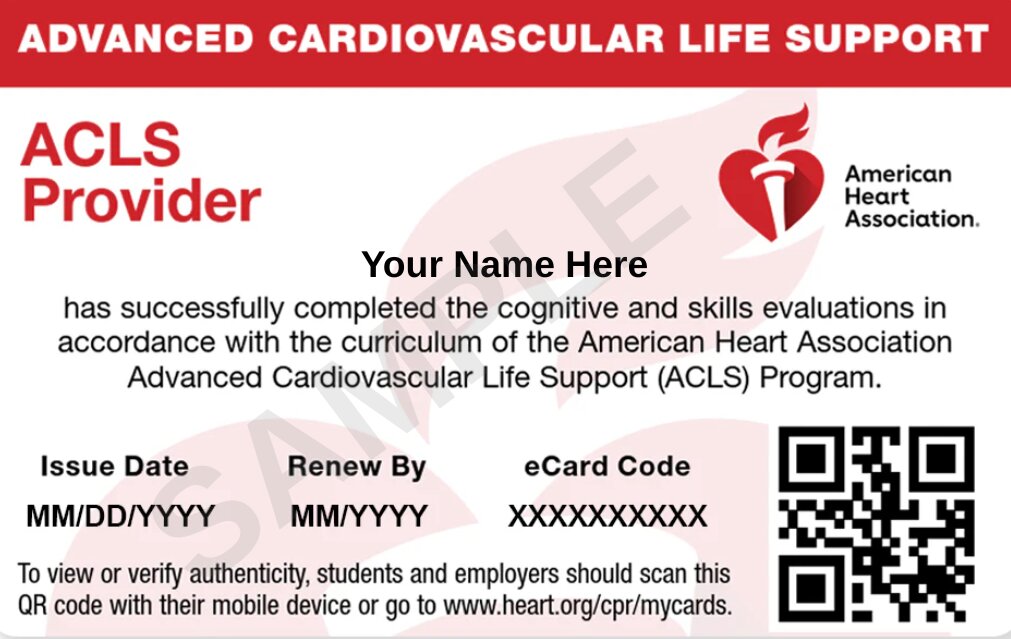
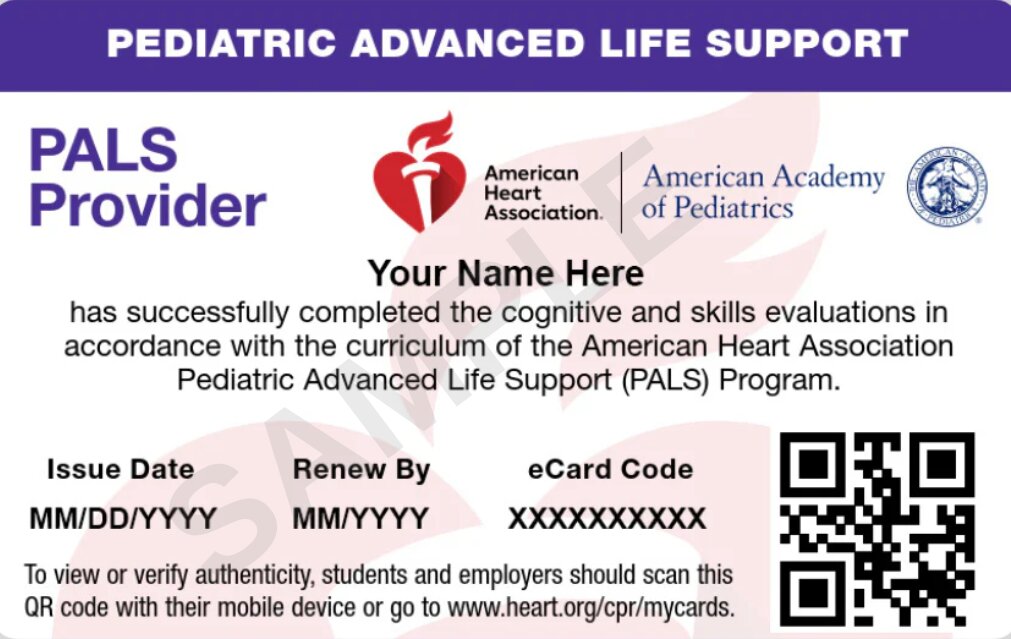
If your certification is approaching its expiration date, now is a good time to plan your renewal. CPR Classes California provides BLS certification classes and has certified thousands of healthcare professionals across California in BLS alone. In addition to BLS, you can also enroll in ACLS, PALS, and CPR certification training to meet your professional or workplace requirements. Enroll now to get certified faster and keep your BLS credentials current.