If you’re considering learning CPR, one of the first questions that may come to mind is, “Is CPR training hard?” The simple answer is no. CPR (Cardiopulmonary Resuscitation) training is specifically designed for beginners and everyday people, not just healthcare professionals. Whether you’re a parent, teacher, office employee, coach, or student, CPR courses teach life-saving skills in a straightforward, practical way.
While CPR training requires some physical effort and hands-on practice, most learners find it easier than they expected. Instructors guide participants through every step, ensuring they understand how to respond confidently during a cardiac emergency.
This guide explains what CPR training involves, whether it’s difficult for beginners, and how you can prepare for success.
What Is CPR Training?
CPR training is a certification course that teaches people how to respond when someone experiences cardiac arrest, stops breathing, or becomes unconscious. The goal is to maintain blood circulation and oxygen flow to the brain until professional medical help arrives.
A typical CPR course teaches participants how to:
- Recognize the signs of cardiac arrest
- Call emergency medical services
- Perform effective chest compressions
- Give rescue breaths (when appropriate)
- Use an Automated External Defibrillator (AED)
- Respond confidently in emergency situations
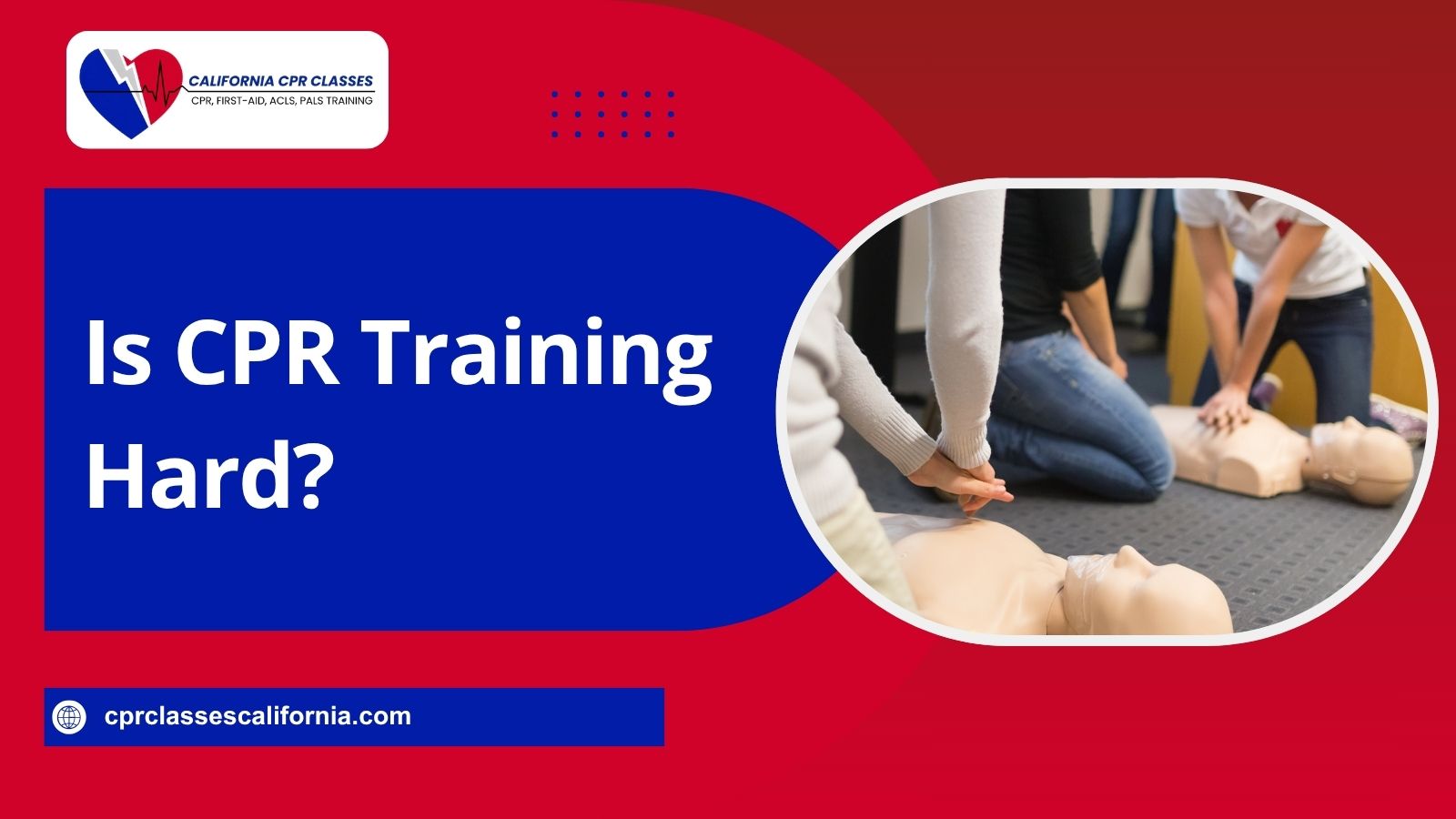
Most CPR classes combine classroom instruction with practical, hands-on training using CPR manikins.
Is CPR Training Difficult for Beginners?
No. CPR training is designed with beginners in mind. You don’t need any previous medical knowledge or healthcare experience to enroll. Instructors explain each skill step by step, allowing participants to learn at a comfortable pace. Most courses begin with simple concepts before moving into practical exercises, making the learning process easy to follow.
Many first-time students worry they’ll forget the steps or perform CPR incorrectly. However, instructors provide plenty of practice and feedback, helping learners gain confidence before completing the course. For most people, the biggest challenge isn’t learning CPR; it’s overcoming the fear of responding during a real emergency. Training helps reduce that fear through repeated practice and realistic scenarios.
What Makes CPR Training Easy?
CPR training is designed to help people learn lifesaving skills quickly and confidently, even if they have no previous medical experience. Standard CPR courses focus on practical techniques rather than complex medical theory, making them accessible to parents, teachers, coaches, workplace employees, and anyone interested in emergency preparedness.
Here are the key factors that make CPR training easy for most participants.
Beginner-Friendly Curriculum
Standard CPR certification courses are created for the general public. Instructors explain each concept using clear, easy-to-understand language and assume participants are learning CPR for the first time. You don’t need a healthcare background to understand the material or complete the course.
Step-by-Step Instruction
CPR follows a structured sequence of actions, from recognizing cardiac arrest and calling 911 to performing chest compressions and using an automated external defibrillator (AED). Learning one step at a time makes the process easier to remember and apply during an emergency.
Hands-On Practice
Most CPR courses include practical training on CPR manikins. Participants practice chest compressions, rescue breaths (when applicable), AED use, and choking relief techniques in a safe, supervised environment. Repeating these skills helps build muscle memory and confidence.
Instructor Guidance and Feedback
Certified instructors demonstrate each technique before participants practice it themselves. They provide immediate feedback on hand placement, compression depth, compression rate, and body positioning, allowing students to improve their skills throughout the course.
Real-Time Feedback Technology
Many training providers use CPR manikins equipped with feedback technology that measures compression depth, rate, chest recoil, and hand placement. This instant feedback helps participants make corrections during practice and develop proper CPR technique more effectively.
Focus on Practical Skills
Rather than teaching advanced medical concepts, standard CPR courses emphasize the essential actions needed to respond during a cardiac arrest or choking emergency. This practical approach helps participants focus on the skills that matter most in a real-life situation.
Supportive Learning Environment
CPR classes encourage learning through practice rather than memorization. Participants are given opportunities to ask questions, repeat skills, and receive guidance before completing the certification assessment. This supportive environment helps reduce anxiety and increases confidence.
What Parts of CPR Training Can Be Challenging?
Although standard CPR training is designed to be straightforward and beginner-friendly, some participants may find certain skills challenging when learning them for the first time. These challenges are completely normal and usually become much easier with hands-on practice, instructor feedback, and repetition throughout the course.
Here are some of the parts of CPR training that can be challenging:
Performing High-Quality Chest Compressions
Chest compressions are often the most physically demanding part of CPR training. To provide effective CPR, participants must compress the chest to the correct depth, maintain a rate of 100–120 compressions per minute, and allow the chest to fully recoil between compressions. It may take a few practice attempts to develop the proper technique and rhythm.
Remembering the CPR Steps
New students sometimes worry about remembering the correct sequence of actions during an emergency. CPR involves recognizing cardiac arrest, calling 911, beginning chest compressions, using an automated external defibrillator (AED), and continuing care until emergency responders arrive. Fortunately, instructors teach these steps in a logical order and reinforce them through repeated practice.
Giving Rescue Breaths
In CPR courses that include rescue breathing, some participants need additional practice to create an effective seal and deliver the correct amount of air. With instructor guidance and repeated practice on training manikins, this skill becomes more comfortable and natural.
Using an Automated External Defibrillator (AED)
Many people have never used an AED before and may feel nervous about operating one. During training, participants learn how to apply the electrode pads, follow the device’s voice prompts, and safely deliver a shock if advised. Since modern AEDs are designed to guide rescuers through each step, most students quickly gain confidence using them.
Staying Calm During an Emergency
While practicing CPR in a classroom is one thing, imagining a real-life emergency can feel overwhelming. CPR training includes realistic scenarios that help participants build confidence, stay focused, and respond effectively under pressure.
Completing the Skills Assessment
Some students experience anxiety about the certification assessment. However, the skills evaluation is based on the techniques practiced throughout the course. Instructors typically provide coaching and opportunities to practice before the assessment, and most participants successfully complete it.
Do You Need Medical Experience?
No, you do not need medical experience to learn CPR. Standard CPR and Heartsaver CPR courses are designed for beginners and teach essential skills such as recognizing cardiac arrest, performing chest compressions, and using an AED. Anyone, including parents, teachers, caregivers, students, and employees, can learn CPR without a healthcare background.
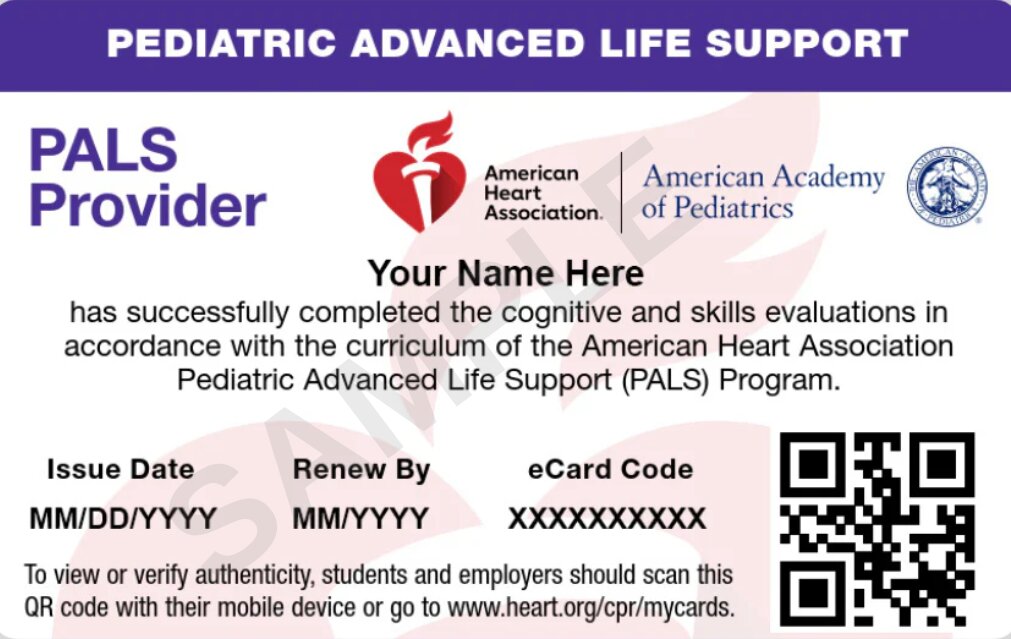
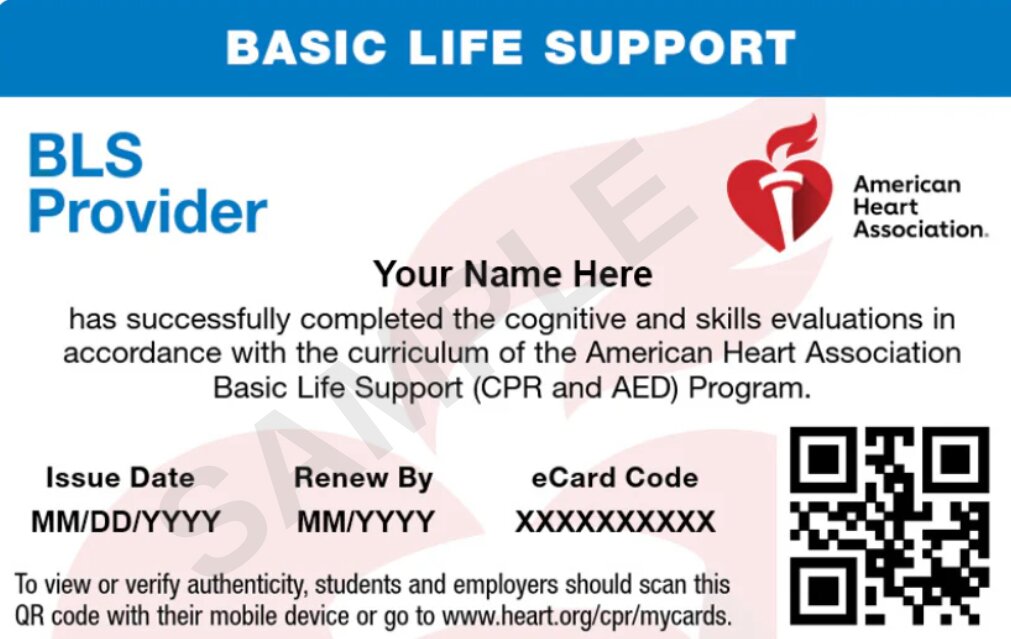
Basic Life Support (BLS) is mainly designed for healthcare providers and professional rescuers, but prior medical experience is not always required to take the course. BLS covers more advanced CPR techniques and emergency response skills. In contrast, ACLS and PALS are advanced courses designed for healthcare professionals and involve complex topics such as cardiac rhythms, medications, and advanced patient care, making them easier for healthcare professionals only.
Is There a Test and is it hard?
Yes, most CPR certification courses include a test to make sure participants understand the required skills and can respond correctly during an emergency. However, the assessment is not designed to be difficult. It focuses on the skills and information taught throughout the course, and instructors provide guidance and practice before the evaluation.
For standard CPR and Heartsaver CPR courses, the test usually includes a simple knowledge check and a hands-on skills demonstration. Participants may need to answer questions about CPR steps, cardiac arrest response, and AED use, as well as demonstrate skills such as chest compressions and proper emergency response techniques. With practice and instruction, most beginners find the assessment manageable.
Advanced courses such as Basic Life Support (BLS), Advanced Cardiovascular Life Support (ACLS), and Pediatric Advanced Life Support (PALS) have more detailed assessments because they are designed for healthcare providers. These evaluations may include advanced scenarios, clinical decision-making, and specialized skills. While they are more challenging than standard CPR tests, healthcare professionals can usually complete them successfully with proper preparation and training.
Related blog: What If You Fail the CPR Test?
How Can You Make CPR Training Easier?
CPR training is already designed to be simple and accessible, but a few steps can help you feel more comfortable and confident during the course. The goal is not to memorize complicated medical information; it is to understand the basic steps, practice the skills, and develop the confidence to respond during an emergency.
Here are some ways to make CPR training easier:
- Choose the right course level: Select a CPR course that matches your needs and experience. A standard CPR or Heartsaver CPR course is ideal for most beginners, while BLS is better suited for healthcare providers or those who need professional-level training.
- Pay attention during demonstrations: CPR is a hands-on skill, so watching your instructor carefully and understanding the correct technique will make practice easier.
- Practice as much as possible: Repetition helps build muscle memory. The more you practice chest compressions, AED use, and other CPR skills, the more natural they become.
- Ask questions when needed: Do not hesitate to ask your instructor for clarification. Understanding why each step matters can make the process easier to remember.
- Stay relaxed and focus on progress: Many learners worry about making mistakes, but CPR training is a learning process. Instructors expect beginners to need practice and provide guidance throughout the course.
- Review the material after training: Revisiting CPR steps after the class helps reinforce your knowledge and keeps your skills fresh, especially before renewal courses.
Does CPR Training Get Easier With Renewal?
Yes, CPR training usually becomes easier with renewal because you are reviewing skills and concepts you have already learned. During a CPR renewal course, participants are already familiar with important steps such as recognizing cardiac arrest, performing chest compressions, using an AED, and following the emergency response sequence. This previous experience helps make the training feel more comfortable and less challenging compared with the first certification course.
CPR renewal also helps strengthen muscle memory and maintain confidence in performing life-saving skills. While renewal courses review current CPR guidelines and provide opportunities to practice, they are generally focused on refreshing existing knowledge rather than learning everything from the beginning. For healthcare providers renewing advanced certifications such as BLS, ACLS, or PALS, the course may still be more detailed because it includes advanced skills, clinical scenarios, and updated medical practices. However, regular practice and previous experience often make renewal training easier to complete.
Who Should Learn CPR?
CPR is a valuable lifesaving skill that can benefit almost anyone. Since cardiac arrest, choking, and other emergencies can happen anywhere, having more people trained in CPR helps create safer homes, workplaces, schools, and communities. You do not need medical experience to learn CPR, and standard CPR courses are designed for beginners.
People who should consider learning CPR include:
- Parents and caregivers who want to respond quickly if a child, infant, or family member experiences an emergency.
- Teachers and school staff who may need to assist students during a medical crisis.
- Childcare providers and babysitters who care for infants and children.
- Coaches and fitness professionals who work with physically active individuals.
- Workplace employees who want to improve emergency preparedness.
- Healthcare students and professionals who need CPR or advanced certifications for their roles.
- Lifeguards, security personnel, and community volunteers who may be among the first people to respond during an emergency.
- Anyone interested in learning lifesaving skills and being prepared to help someone in need.
Common Myths About CPR Training
Many people avoid CPR training because of common misconceptions about its difficulty, requirements, or who can learn it. Understanding the facts can help more people feel confident about taking a CPR course and gaining life-saving skills.
Myth 1: CPR Training Is Only for Healthcare Professionals
Fact: CPR training is for everyone. Standard CPR and Heartsaver CPR courses are designed for the general public, including parents, teachers, caregivers, employees, students, and community members. You do not need a medical background to learn basic CPR skills.
Myth 2: CPR Training Is Too Difficult for Beginners
Fact: Most CPR courses are designed to be simple and practical. Instructors teach skills step by step and provide hands-on practice so beginners can learn at their own pace. While advanced courses like ACLS and PALS are more complex and intended for healthcare professionals, standard CPR training is accessible for most people.
Myth 3: You Need to Be Physically Strong to Perform CPR
Fact: CPR does require physical effort, especially during chest compressions, but proper technique is more important than strength. Training teaches you how to perform compressions effectively using the correct method.
Myth 4: You Need to Memorize a Lot of Medical Information
Fact: Standard CPR courses focus on practical skills rather than complex medical knowledge. The goal is to help you recognize an emergency, perform CPR correctly, and use an AED when needed.
Myth 5: CPR Certification Is Only Useful at Work
Fact: CPR skills are valuable in everyday life. Emergencies can happen at home, in public places, or during recreational activities. Knowing CPR allows you to help family members, friends, coworkers, or strangers when they need immediate assistance.
Ready to Learn CPR and Gain Life-Saving Skills?
CPR training is not difficult for most people, especially when taking beginner-friendly courses like standard CPR or Heartsaver CPR. With clear instruction, hands-on practice, and proper guidance, anyone can learn the skills needed to respond during a cardiac emergency. While advanced courses like BLS, ACLS, and PALS cover more complex skills, they are also designed to help learners succeed through structured training. Learning CPR gives you the confidence and ability to take action when someone needs immediate help.
If you’re looking to take the next step and become CPR certified, CPR Classes California is here to help you get started. Our American Heart Association (AHA)-aligned courses provide convenient training options, hands-on skills practice, and support from experienced instructors. Whether you need CPR, BLS, ACLS, PALS, or Heartsaver certification, our courses are designed to help you earn a nationally recognized credential and prepare you to respond confidently during emergencies. Register for a CPR certification course today and take the first step toward being prepared to save a life.