CPR certification teaches individuals how to respond during life-threatening emergencies, including cardiac arrest, choking, and breathing emergencies. Many students, parents, employers, and healthcare professionals in California ask: how old do you have to be to get CPR certified in California?
The answer depends on the training provider, course type, and the participant’s ability to complete CPR skills correctly. While California does not have a state law requiring a specific minimum age for CPR certification, most CPR training providers recommend participants be around 12 years old or older because effective CPR requires physical strength, coordination, and the ability to understand emergency response procedures. However, younger children may still learn basic CPR concepts, and there is generally no maximum age limit for becoming CPR certified as long as the participant can complete the course requirements.
In this blog, we will explain the CPR certification age requirements in California, whether children and seniors can become certified, which CPR courses are best for different age groups, and where you can complete your training.
Is There a Minimum Age to Get CPR Certified in California?
California does not set a universal minimum age requirement for CPR certification. Instead, individual CPR training organizations establish their own participation guidelines based on course content and skills requirements.
Most CPR certification providers accept participants who are:
- 12 years old and older for general CPR and AED training
- Teenagers and adults for healthcare-related CPR courses
- Younger students in some cases if they can understand the material and perform CPR skills properly
The most important factor is not age alone but whether the student can successfully demonstrate CPR techniques, including correct hand placement, proper compression depth and rate, following emergency response steps and using an AED correctly. For certification, participants must be able to complete both the knowledge portion and hands-on skills evaluation.
What Age Can a Child Learn CPR Physically and Mentally?
Studies show that children can begin learning CPR concepts at a young age. By around 10 to 12 years old, many can understand CPR instructions and learn basic lifesaving skills, while their ability to perform effective chest compressions continues to improve with increasing strength and coordination.
A child may be ready for CPR training when they can:
- Understand emergency situations
- Remember and follow CPR steps
- Participate in hands-on practice
- Apply appropriate pressure during chest compressions
- Stay focused during training
However, hands-on CPR training and certification are generally most appropriate during the preteen and teenage years, when children are more likely to have the physical strength and coordination needed to perform effective chest compressions.
What Age Is Best to Get CPR Certified?
There is no specific age that is considered the “best” time to get CPR certified. The ideal age depends on a person’s ability to understand CPR procedures, perform the required skills, and apply them in an emergency situation.
For many people, the preteen and teenage years can be a practical time to begin CPR certification because they often have the physical strength and maturity needed for hands-on training. Adults may also benefit from CPR certification for workplace requirements, childcare responsibilities, healthcare roles, or personal preparedness. Learning CPR earlier helps individuals develop lifesaving skills that can be used throughout their lives, regardless of age. The most important factor is being ready to complete the training and perform CPR techniques correctly.
Can Old Age People Get CPR Certification?
Yes, older adults can get CPR certified. There is no maximum age limit for CPR certification, and many training providers welcome seniors who are able to understand the course material and participate in the required skills practice.
Older adults may choose CPR certification to:
- Help family members during emergencies
- Stay prepared in their community
- Learn how to respond to cardiac emergencies
- Maintain personal safety awareness
While physical ability can affect CPR performance, certification also teaches important skills such as recognizing emergencies, calling for help, and using an AED. The ability to complete the training and demonstrate the required skills is more important than age alone.
What CPR Certification Is Best for Different Ages?
The best CPR certification depends on a person’s age, responsibilities, career goals, and training needs. Different CPR courses are designed for different learners, from children and teenagers learning basic emergency response skills to healthcare professionals requiring advanced life support training.
| Age Group | Recommended CPR Certification | Best For |
| Children (Under 12) | CPR Awareness Training | Learning basic emergency response skills |
| Teenagers (12–18) | Heartsaver CPR/AED | Students, babysitters, volunteers, jobs |
| Adults | Heartsaver CPR/AED | Parents, employees, caregivers, community members |
| Parents & Childcare Providers | Heartsaver CPR/AED + Infant CPR | Infant and child emergency situations |
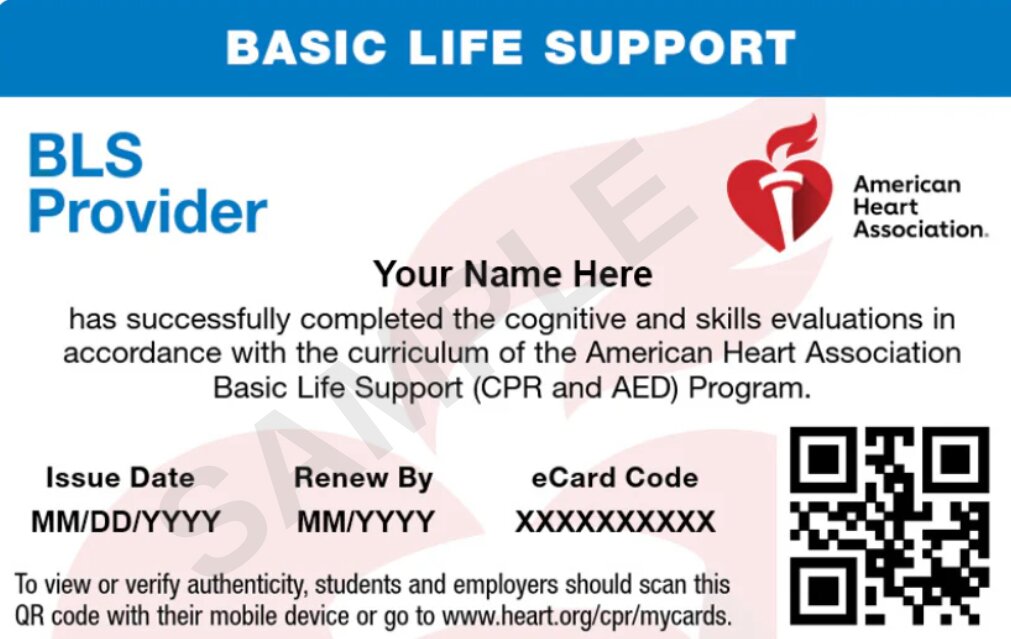
| Healthcare Students & Professionals | BLS Certification | Nurses, doctors, EMTs, healthcare workers |
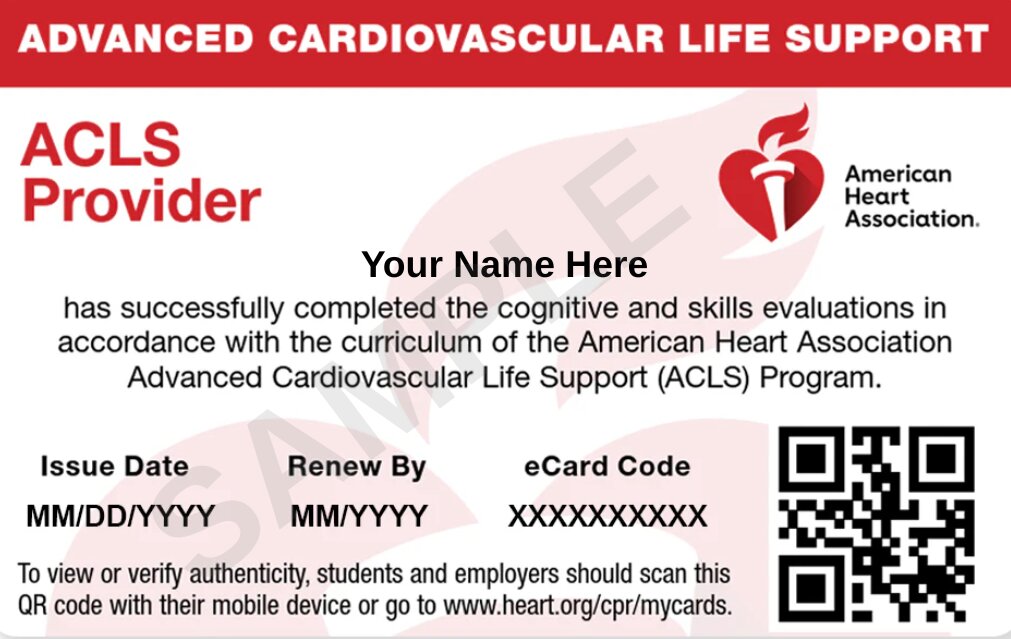
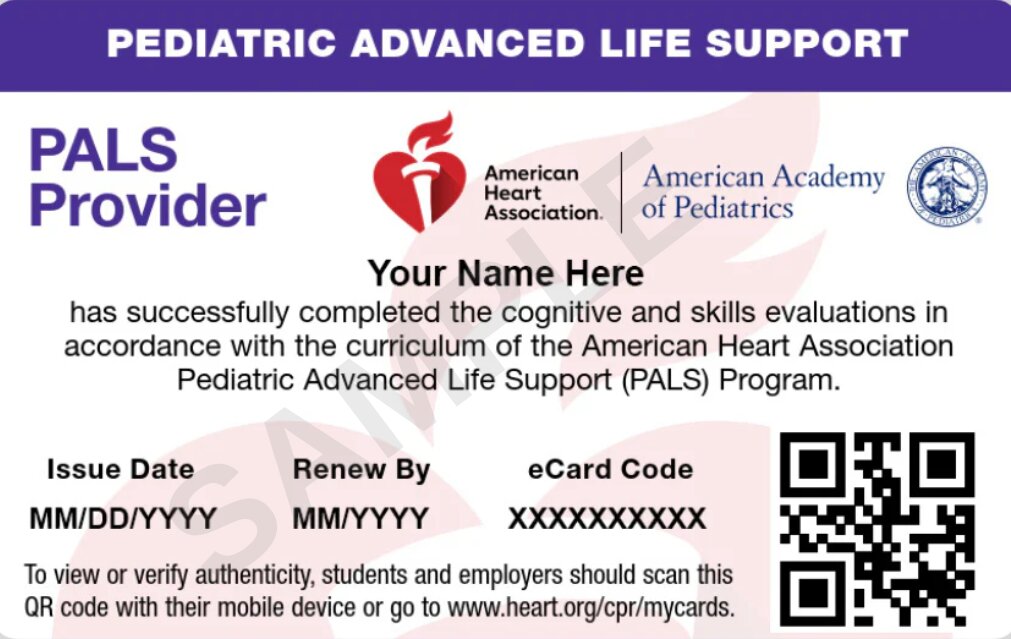
| Advanced Healthcare Providers | ACLS / PALS | Cardiac and pediatric emergency care |
| Older Adults | Heartsaver CPR/AED | Family safety and emergency preparedness |
Why Should Young People Learn CPR?
Teaching CPR to young people helps build a generation that is prepared to respond during emergencies. Early CPR training gives children and teenagers the knowledge and confidence to take action when someone experiences cardiac arrest or another life-threatening situation.
Benefits of learning CPR at a young age include:
- Developing lifesaving skills: Young people learn how to recognize emergencies, perform CPR, and provide help until medical professionals arrive.
- Building confidence: CPR training reduces hesitation and helps individuals respond calmly during stressful situations.
- Improving community safety: More people with CPR skills increases the chances of someone being able to help during an emergency.
- Preparing for future opportunities: CPR certification can be useful for jobs and activities such as babysitting, childcare, coaching, volunteering, and healthcare careers.
Learning CPR early allows young people to become responsible, prepared members of their families and communities.
Where Can You Get CPR Certified in California?
You can get CPR certified in California through various recognized training providers, including national organizations, local training centers, healthcare institutions, and workplace programs. CPR courses are available in different formats, such as in-person classes, online courses with hands-on skills sessions, and blended learning programs.
Common options for CPR certification in California include:
- American Heart Association (AHA) training centers: A popular choice for healthcare professionals, workplaces, and individuals who need widely recognized CPR certification.
- American Red Cross training providers: Offer CPR courses for families, caregivers, employees, and community members.
- Local CPR training centers: Provide flexible classes for individuals, groups, and businesses throughout California.
- Hospitals and healthcare education programs: Often provide CPR and Basic Life Support (BLS) training for healthcare students and medical professionals.
- Workplace training programs: Many employers arrange CPR certification courses to meet workplace safety requirements.
When choosing a CPR certification course, make sure the training is accepted by your employer, school, licensing organization, or professional program. A quality CPR course should include proper instruction and hands-on practice to help participants perform CPR skills correctly during real emergencies.
Ready to Get CPR Certified in California?
The age requirement for CPR certification in California depends on a person’s physical ability, mental readiness, and the requirements of the training provider rather than a specific state-mandated age. While many CPR providers recommend starting formal CPR certification around 12 years old or older, younger children can still learn basic emergency response skills, and older adults can become certified as long as they can complete the required training and skills evaluation. Whether you are a student, parent, caregiver, employee, healthcare professional, or senior, CPR certification provides valuable lifesaving skills that can help you respond confidently and effectively during a medical emergency.
For those ready to begin their CPR training, choosing a trusted and recognized provider is the next important step. CPR Classes California is an American Heart Association (AHA)-approved training center offering CPR, PALS, ACLS, and BLS certification courses with convenient training options. With same-day CPR certification, instant digital certification cards, and a high course completion success rate, CPR Classes California helps students gain the confidence and practical skills needed to respond effectively during emergency situations.