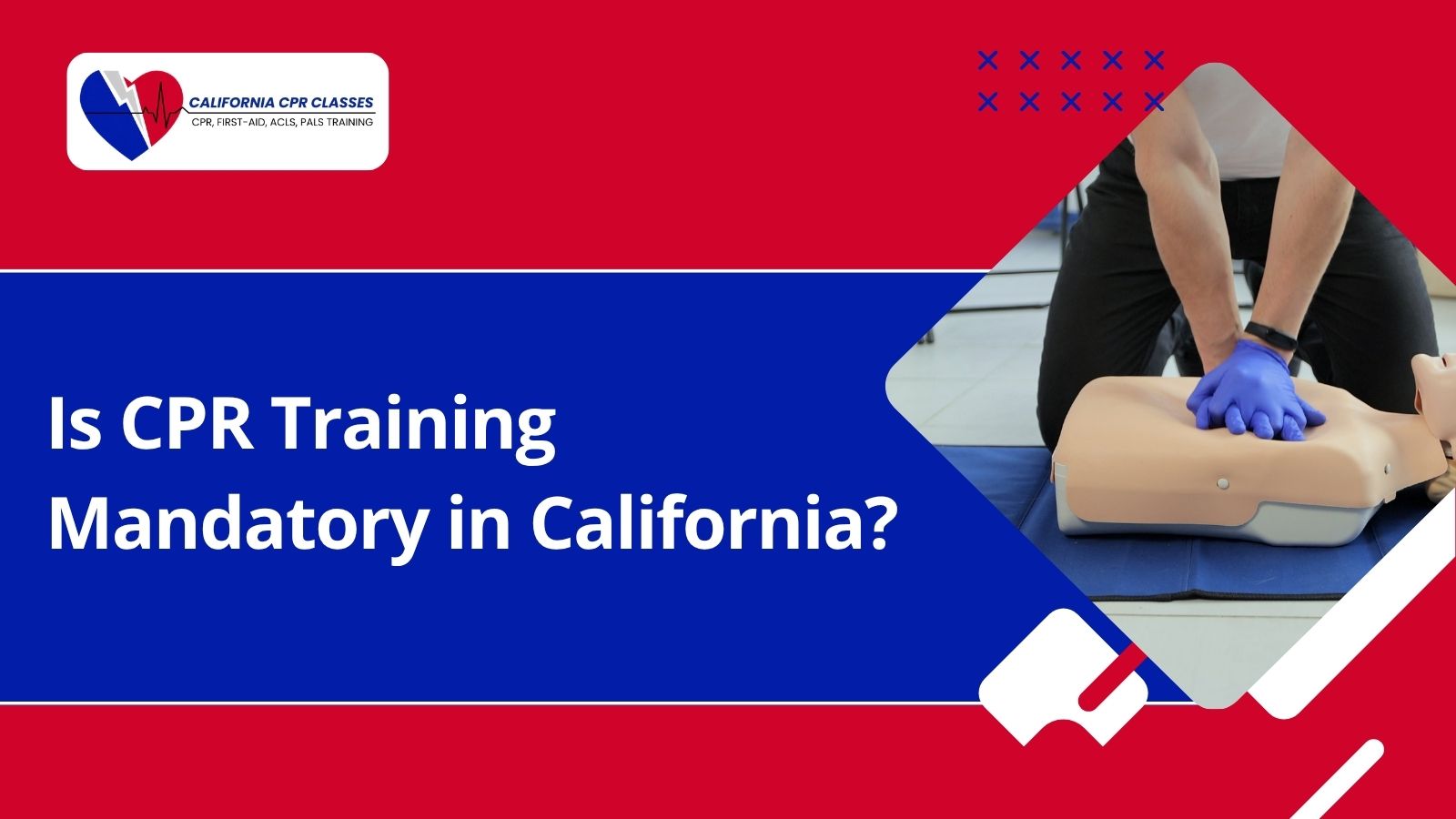
CPR training teaches individuals how to respond quickly during life-threatening emergencies such as cardiac arrest, choking, and respiratory failure. Knowing how to perform CPR and use an AED can help save a life before emergency medical services arrive.
If you are wondering whether CPR training is mandatory in California, the answer depends on your profession, workplace, and specific requirements. While California does not require every resident to become CPR certified, many healthcare professionals, childcare providers, teachers, and safety-related workers must maintain a current CPR certification as part of their job responsibilities.
This guide explains when CPR training is required in California, who needs certification, whether online CPR courses are valid, and why CPR training is valuable even when it is not legally required.
Is CPR Training Required by Law in California?
No, CPR training is not mandatory for every person in California. There is no statewide requirement that all residents complete CPR certification.
However, CPR training is required for certain professions and workplaces where employees have a responsibility to respond to emergencies. Employers, licensing organizations, and professional boards may require CPR certification as a condition of employment or continued practice.
CPR certification requirements in California often depend on:
- Industry and job role
- Workplace safety policies
- State licensing requirements
- Employer expectations
- Professional certification standards
For example, healthcare workers, childcare providers, and certain education professionals commonly need current CPR certification.
Who Needs CPR Certification in California?
CPR certification is not required for every person in California, but many professionals need to maintain a current CPR credential because their job involves caring for others or responding to emergencies. Employers, licensing agencies, and professional organizations often require CPR certification to ensure individuals have the skills needed to provide immediate assistance during cardiac arrest, choking, or other life-threatening situations.
Common groups that need or benefit from CPR certification in California include:
Healthcare Professionals
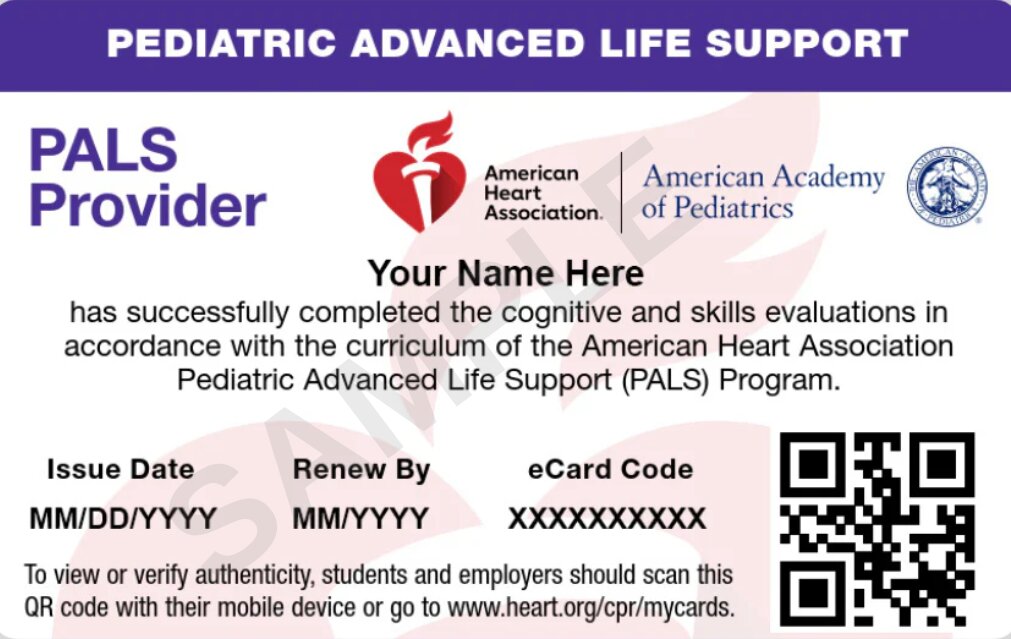
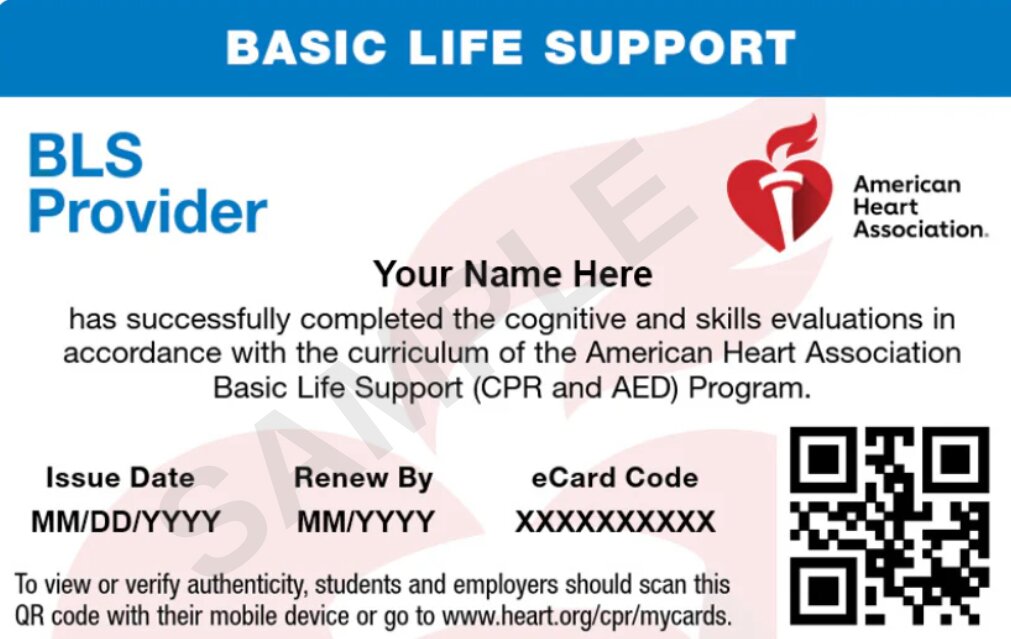
Healthcare workers are among the most common groups required to maintain CPR certification in California. Since they regularly care for patients who may experience medical emergencies, many employers require American Heart Association (AHA) CPR certification, ACLS, PALS, or Basic Life Support (BLS) certification.
Healthcare professionals who may need CPR certification include:
- Registered nurses (RNs)
- Licensed vocational nurses (LVNs)
- Physicians
- Emergency medical technicians (EMTs)
- Paramedics
- Medical assistants
- Dentists and dental hygienists
- Respiratory therapists
- Physical therapists
- Healthcare students
- Hospital and clinic staff
Childcare Providers and Educators
People who work with children often need CPR certification to respond quickly during emergencies involving infants and young children.
This may include:
- Childcare providers
- Daycare workers
- Preschool teachers
- School employees
- Early childhood educators
- Camp counselors
Childcare-focused CPR training typically includes infant CPR, child CPR, choking response, and emergency procedures.
Lifeguards and Aquatic Professionals
Lifeguards and swimming professionals are commonly required to have CPR certification because they may respond to drowning incidents, breathing emergencies, and sudden cardiac events.
This includes:
- Lifeguards
- Swim instructors
- Pool staff
- Aquatic program employees
Fitness Professionals and Sports Staff
Fitness and sports professionals may need CPR certification because physical activity can sometimes lead to medical emergencies.
Examples include:
- Personal trainers
- Athletic trainers
- Sports coaches
- Fitness center employees
- Recreation staff
Workplace Safety Employees and First Responders
Some workplaces require designated employees to complete CPR training as part of their emergency preparedness plans.
These may include:
- Workplace safety coordinators
- Security personnel
- Firefighters
- Public safety employees
- Emergency response team members
People Who Want Personal Emergency Preparedness
Even when CPR certification is not required for a job, many California residents choose to become certified to protect their family, friends, coworkers, and community.
CPR training can help individuals respond confidently during emergencies at:
- Home
- Workplaces
- Schools
- Public areas
- Community events
Whether required for employment or taken voluntarily, CPR certification provides essential skills that can help save lives when immediate action is needed.
Is CPR Certification Required to Get a Job in California?
CPR certification is not required for every job in California. However, it is often mandatory for careers in healthcare, childcare, education, fitness, public safety, and caregiving. Many employers require a valid CPR or Basic Life Support (BLS) certification before you can begin work.
For most office, retail, and administrative jobs, CPR certification is not required. Even so, having CPR certification can improve your job prospects and demonstrate your commitment to workplace safety and emergency preparedness.
How Long Does CPR Certification Last in California?
In California, most CPR certifications are valid for two years from the date of completion. After that period, you’ll need to renew your certification to keep your skills current and meet employer or licensing requirements.
The renewal process typically involves completing a CPR refresher course that reviews essential life-saving techniques, including adult, child, and infant CPR, Automated External Defibrillator (AED) use, and choking relief. Some courses also include first aid training, depending on the certification level.
Is Online CPR Training Valid in California?
Yes, online CPR training can be valid in California, but whether it is accepted depends on your employer, licensing board, or the organization requiring your certification. While online courses offer a convenient way to learn CPR concepts, many professions require a certification that includes hands-on skills practice and assessment in addition to online instruction.
For healthcare professionals and other safety-sensitive roles, employers often require certification from a nationally recognized provider, such as the American Heart Association (AHA) or the American Red Cross, that includes an in-person skills evaluation. If you need CPR certification for work, always confirm your employer’s requirements before enrolling in an online course.
What Happens If You Are Not CPR Certified When Required?
If your job, employer, or professional license requires CPR certification and you do not have a current certification, you may not be eligible to perform certain job duties or maintain your employment. The consequences vary depending on your profession, workplace policies, and licensing requirements.
Potential consequences of not having a required CPR certification include:
- Delayed hiring or onboarding until you complete an approved CPR training course.
- Suspension from specific job responsibilities that require CPR certification.
- Ineligibility to renew a professional license or certification in certain regulated professions.
- Temporary removal from work schedules until your certification is renewed.
- Disciplinary action or termination, depending on your employer’s policies and the nature of your role.
For healthcare professionals, childcare providers, lifeguards, and other employees responsible for responding to emergencies, maintaining a valid CPR certification is often essential for meeting workplace and regulatory requirements. Allowing your certification to expire could interrupt your employment or delay license renewal.
Is CPR Training Worth Getting Even If It Is Not Mandatory?
Yes. Even if CPR training is not mandatory for your job or profession, earning CPR certification is a valuable investment. Cardiac arrest and other medical emergencies can happen anywhere, at home, at work, in schools, or in public places. Knowing how to perform CPR and use an automated external defibrillator (AED) can help keep someone alive until emergency medical services arrive.
CPR training gives you the knowledge and confidence to respond quickly during emergencies, making you better prepared to protect your family, friends, coworkers, and community.
Benefits of CPR Training
Even when it is not required, CPR training offers several important benefits, including:
- Learning how to recognize the signs of cardiac arrest and other emergencies
- Performing high-quality CPR for adults, children, and infants
- Using an AED safely and effectively
- Responding to choking emergencies
- Building confidence to act in stressful situations
- Improving workplace and community safety
- Strengthening your resume for jobs that value emergency preparedness
Get CPR Certified in California and Stay Prepared for Emergencies
CPR training is not mandatory for every California resident, but it is required for many healthcare, childcare, education, and public safety professionals. Most CPR certifications are valid for two years and must be renewed to meet employer or licensing requirements. Even if certification is not required for your job, learning CPR is a valuable investment that can help you respond confidently during emergencies, protect those around you, and potentially save a life.
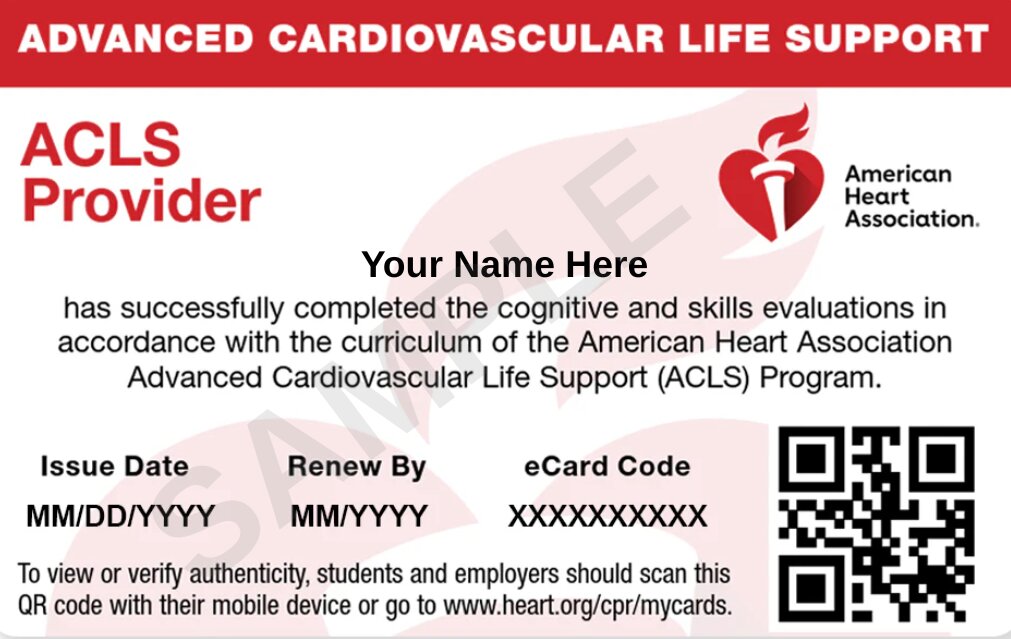
Looking to complete your CPR certification and meet professional requirements? California CPR Classes provides American Heart Association (AHA)-aligned BLS, ACLS, PALS, Heartsaver CPR AED, and First Aid courses for healthcare workers, employees, and individuals throughout California. With convenient learning options and hands-on skills training, you can gain the certification you need and receive your official AHA eCard after successfully completing your course.