Stay current, confident, and certification-ready with ACLS, BLS, and PALS training in Santa Barbara. Our courses help healthcare professionals and aspiring providers develop critical lifesaving competencies in a flexible learning environment.
4.9/5 from 800+ reviews, Trusted by California healthcare teams
5266 Hollister Ave Suite 118 Santa Barbara, CA 93111
Conveniently located in California, we offer AHA-certified CPR, First Aid, BLS, ACLS, and PALS courses.
BLS
ACLS
PALS
Monday - Thursday: 8 am - 7 pm
Friday: 8 am - 6 pm
Saturday - Sunday: 9 am - 4 pm
Our Santa Barbara training site at 5266 Hollister Ave, Suite 118, Santa Barbara, CA 93111 is conveniently located in the Goleta commercial district, providing easy access from major roadways and surrounding communities. The location serves healthcare professionals, students, workplace teams, and community members from Santa Barbara, Goleta, Isla Vista, Montecito, Carpinteria, and other nearby areas throughout Santa Barbara County.
Take the Fairview Avenue exit toward Goleta. Continue north and turn onto Hollister Avenue. Follow Hollister Ave until you reach 5266 Hollister Ave, Suite 118.
Exit at Fairview Avenue and proceed toward Hollister Avenue. Turn onto Hollister Ave and continue through the commercial corridor until arriving at the training site.
Travel west on US-101 toward Goleta. Take the Fairview Avenue exit and continue to Hollister Avenue. Proceed to 5266 Hollister Ave, Suite 118.
Head east toward Goleta via local roads connecting to Hollister Avenue. Continue along Hollister Ave until you reach the training location.
Participants can identify the area using these nearby reference points:
Parking is available near the facility for participants attending scheduled skills sessions. Visitors may use designated parking spaces within the property or nearby commercial parking areas, depending on availability.









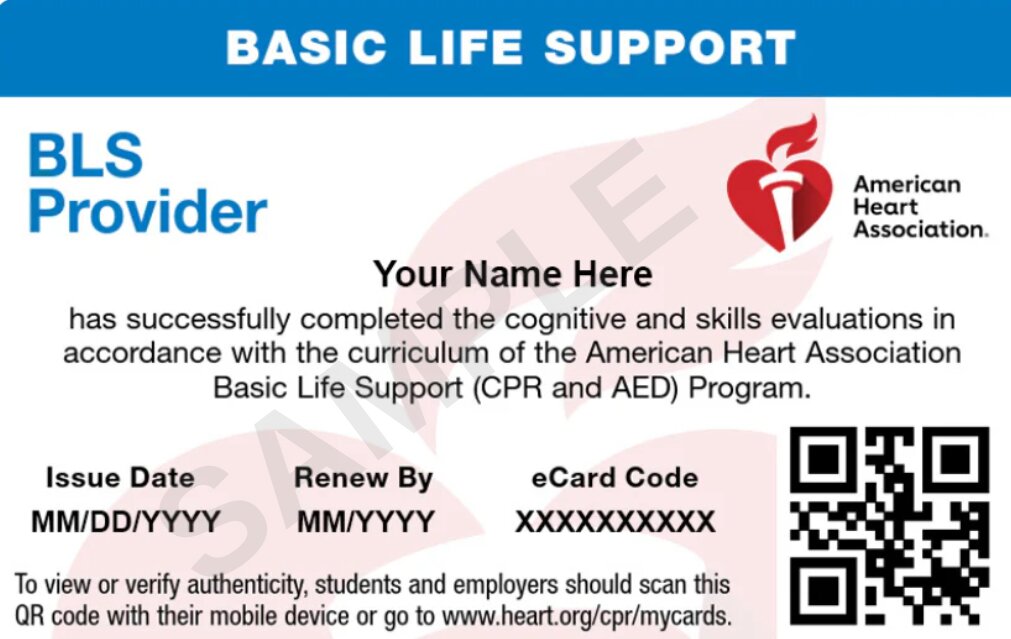
Basic Life Support
Flexible & self-paced;
Hands-on practice
Trusted Certification
This course develops the core emergency response skills needed in both clinical and everyday high-risk environments. Participants learn how to deliver effective CPR across all age groups, operate an AED with confidence, and respond appropriately to airway obstruction and sudden cardiac arrest scenarios. Training also includes structured practice in coordinated rescue efforts, helping participants understand how to act quickly and efficiently as part of a team. It is well-suited for healthcare trainees, hospital support staff, educators, and workplace responders who require dependable basic life support capabilities.
This certification focuses on the management of adult patients experiencing life-threatening cardiovascular and respiratory emergencies. The training explores advanced cardiac assessment, interpretation of ECG rhythms, and application of resuscitation protocols in time-sensitive situations. Participants also build proficiency in airway interventions, medication-based response strategies, and role-based coordination during resuscitation events. This course is intended for licensed medical professionals working in high-acuity environments such as emergency departments, critical care units, and advanced pre-hospital care systems.
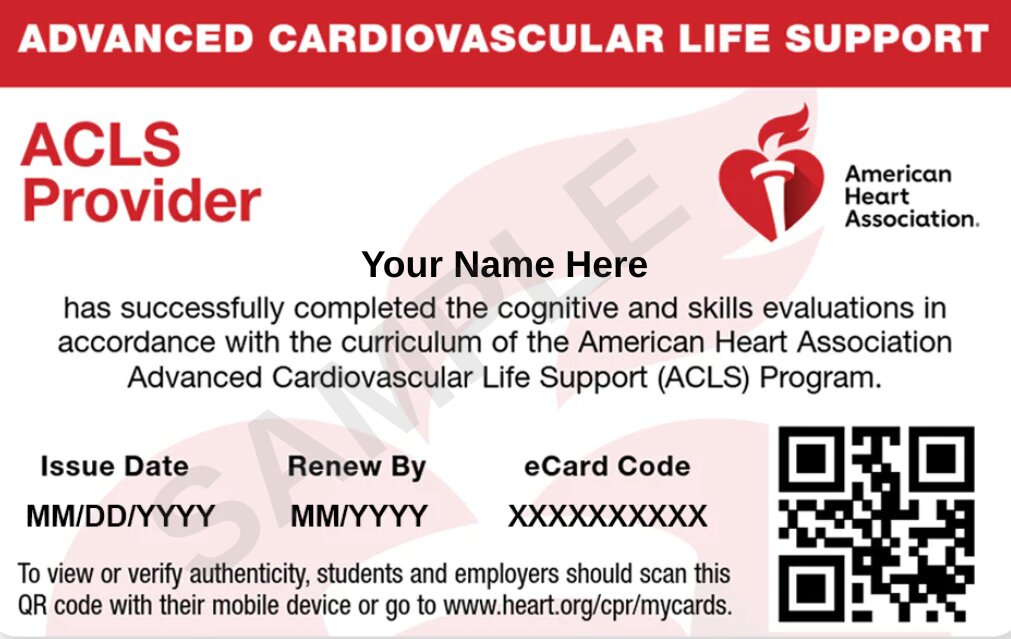
Advanced Cardiovascular Life Support
Flexible & self-paced;
Hands-on practice
Trusted Certification
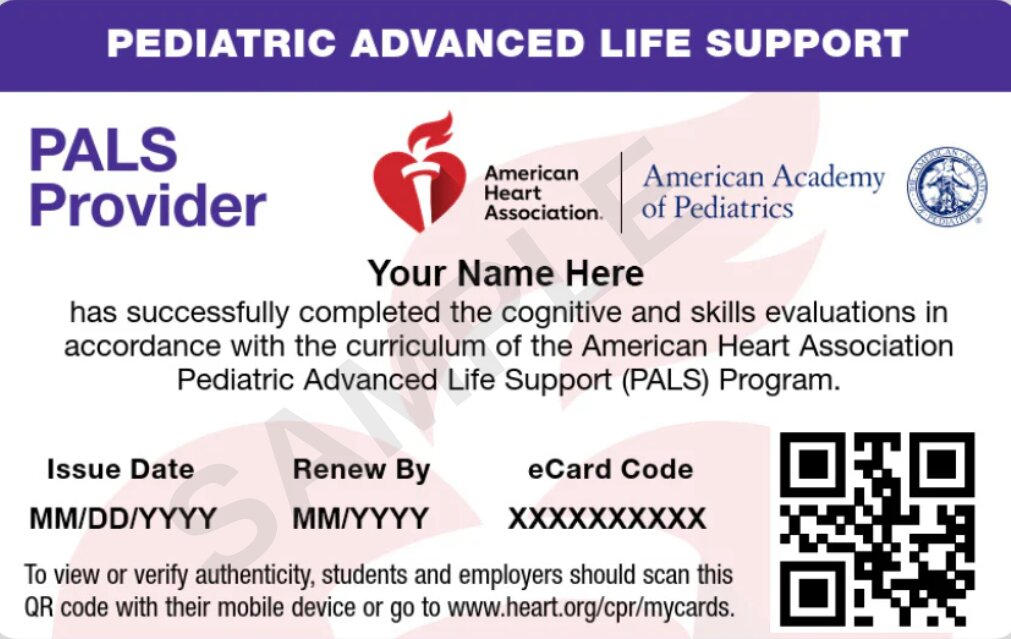
Pediatric Advanced Life Support
Flexible & self-paced;
Hands-on practice
Trusted Certification
This program is designed to strengthen pediatric emergency response skills for infants and children in critical condition. It trains participants to recognize early warning signs of deterioration, perform structured pediatric assessments, and implement appropriate intervention pathways. The course also emphasizes respiratory and circulatory emergency management, with a focus on age-specific physiological differences and treatment priorities. It is ideal for clinicians working in pediatrics, emergency medicine, urgent care, and any healthcare setting where pediatric emergencies may occur.
Our ACLS, BLS, and PALS courses in Santa Barbara are designed for healthcare professionals who need recognized certification to meet employment, credentialing, or licensing requirements. The training reinforces critical emergency response skills used across a wide range of medical environments and patient care settings.
Common participants include:
These courses are also valuable for community members who want to be better prepared for emergencies involving family members, friends, coworkers, or members of the public. No extensive medical background is required for many certification options.
Common participants include:
Many educational programs require CPR or advanced life support certification before clinical placements, externships, or hands-on training begin. These courses help students meet program requirements while building confidence in emergency care principles.
Common participants include:
Professionals who work closely with children, families, and the public often pursue certification to improve preparedness and workplace safety. These courses provide practical skills that can be applied in schools, childcare settings, and community programs.
Common participants include:
Businesses and organizations frequently encourage or require staff members to maintain emergency response training. Certification helps employees respond appropriately while waiting for advanced medical assistance to arrive.
Common participants include:
Our training is designed to go beyond theory and focus on practical skills used in real clinical and emergency situations. Each course emphasizes quick decision-making, effective teamwork, and confident action when seconds matter.
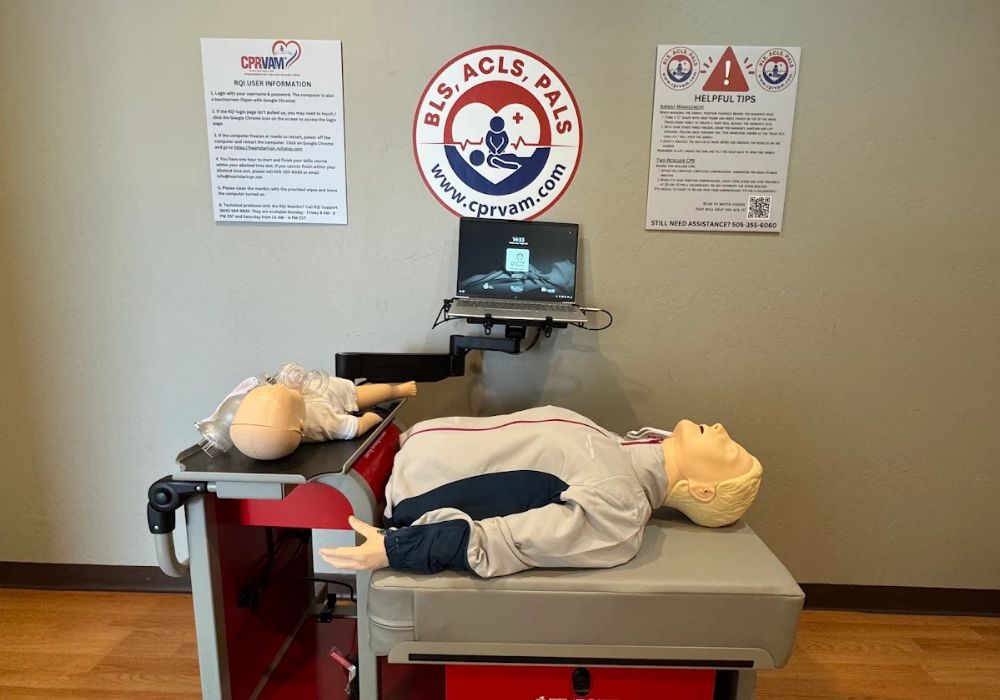
In-person training is centered on guided, scenario-based practice using modern CPR and emergency response equipment. This ensures participants can confidently perform life-saving skills in real situations.
Whether you are a licensed clinician, student, or workplace responder, our courses are structured to meet the needs of different experience levels while maintaining professional standards of care.
Complete both online and in-person components and receive your certification promptly, allowing you to meet job, school, or licensing requirements without delays.


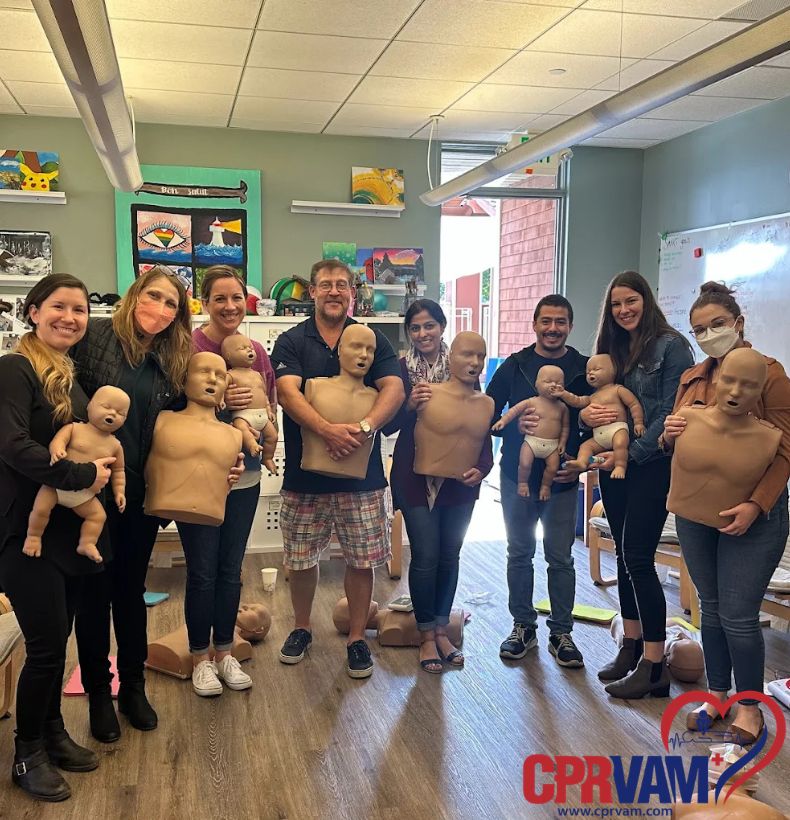
Bring CPR, ACLS, BLS, and PALS certification training directly to your Santa Barbara workplace with convenient on-site group sessions. Teams receive instructor-led education and hands-on skills practice in a familiar setting, making it easier to train multiple employees together while reducing travel and scheduling challenges. Programs can support the certification and compliance needs of healthcare teams, schools, businesses, and other organizations.
Healthcare Organizations
Corporate Offices
Colleges and Universities
Community and Nonprofit Organizations
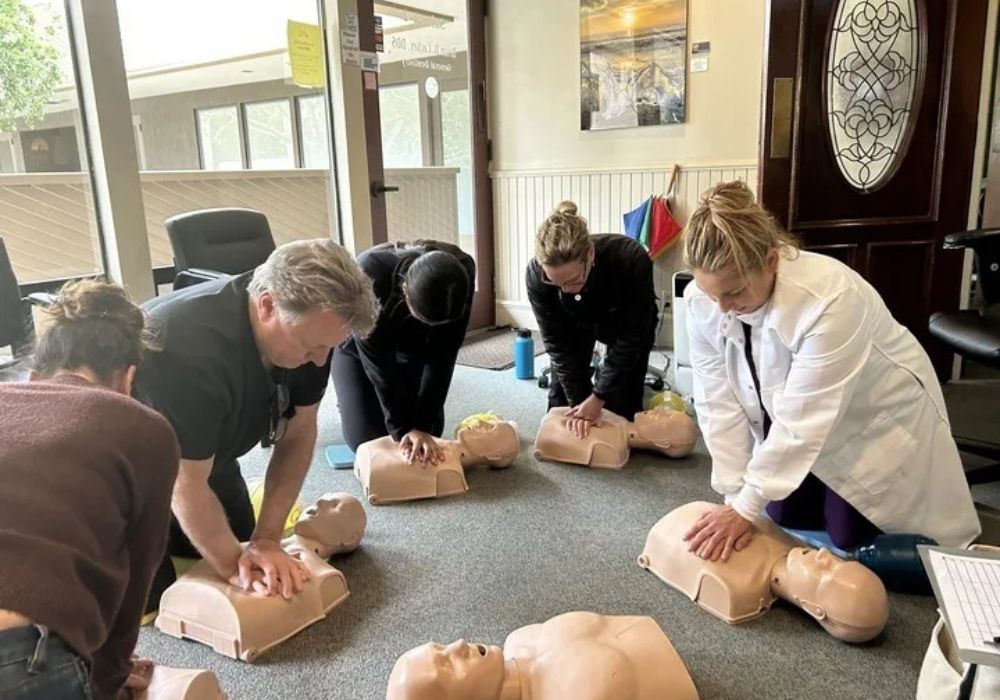
Getting CPR certified in Santa Barbara, California, is simple, flexible, and designed to fit your schedule. Our training provides nationally recognized certification and equips you with the skills to respond confidently in emergency situations. Enroll today and complete your training efficiently with guided support through every step of the process.
Santa Barbara healthcare professionals, students, organizations, and community members can access the established emergency training experience of CPR VAM through CPR Classes California. CPR VAM has spent decades providing CPR and life-support education and has trained hundreds of thousands of students nationwide as an American Heart Association (AHA) authorized training provider. Its programs include CPR, BLS, ACLS, and PALS certification.
For Santa Barbara learners, that experience translates into a structured training process that balances flexibility with practical skills. Online learning helps participants complete the educational component conveniently, while hands-on skills verification reinforces the physical techniques required during an emergency. The result is a certification experience designed around both knowledge and practical performance.
You can sign up online by picking your desired certification (BLS, ACLS, or PALS) and reserving an available skills session in Santa Barbara. Once enrolled, you’ll be given access to the online modules along with details for your scheduled in-person skills check.
Yes. The e-learning portion must be finished prior to attending the practical skills appointment. It ensures you are prepared for the hands-on evaluation held in Santa Barbara.
BLS can be taken by anyone, including students, caregivers, and workplace employees. ACLS and PALS are primarily intended for licensed healthcare providers and professionals working in clinical or emergency care environments.
After finishing both the online coursework and the on-site skills assessment in Santa Barbara, certification is generally processed quickly, with digital credentials issued immediately after completion in most cases.
