From healthcare settings to community environments, our San Mateo certification programs prepare individuals to handle critical situations with confidence. Complete ACLS, BLS, or PALS training through our convenient blended learning format.
4.9/5 from 800+ reviews, Trusted by California healthcare teams
116 E 25th Ave Suite M (2nd Floor) San Mateo, CA 94403
Conveniently located in California, we offer AHA-certified CPR, First Aid, BLS, ACLS, and PALS courses.
BLS
ACLS
PALS
Monday - Thursday: 8 am - 7 pm
Friday: 8 am - 6 pm
Saturday - Sunday: 9 am - 4 pm
Our San Mateo training site is located at 116 E 25th Ave, Suite M (2nd Floor), San Mateo, CA 94403, in a professional office building conveniently situated near the San Mateo Convention Center and El Camino Real. The location provides easy access for healthcare professionals, students, workplace teams, and community members throughout San Mateo, Burlingame, Foster City, Belmont, Millbrae, Redwood City, and surrounding Peninsula communities.
Take the nearest exit toward East Hillsdale Boulevard or CA-92 and proceed toward El Camino Real. Continue to East 25th Avenue and follow the road to 116 E 25th Ave. The training site is located on the second floor of the building.
Take Highway 92 East toward San Mateo and continue toward El Camino Real. Turn onto East 25th Avenue and proceed to 116 E 25th Ave. Look for the office building near the San Mateo Convention Center area.
Travel south toward East 25th Avenue using local roads or El Camino Real. Continue to 116 E 25th Ave and enter the parking area adjacent to the building.
Travel south via El Camino Real toward San Mateo. Turn onto East 25th Avenue and continue to the training site located near the convention center district.
Participants can identify the location using these nearby reference points:
A dedicated parking space is available for our CPR training participants. Upon arrival, enter the parking lot adjacent to the building and park in the designated training-site parking space when available. Additional nearby parking may also be available, depending on occupancy.













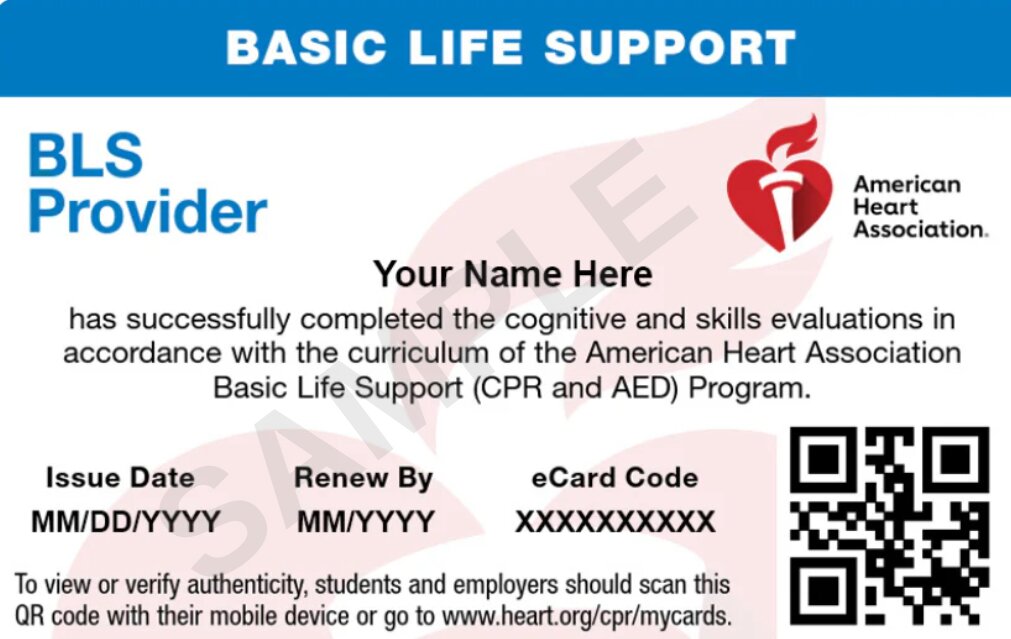
Basic Life Support
Flexible & self-paced;
Hands-on practice
Trusted Certification
BLS certification helps individuals develop the skills needed to respond confidently during common medical emergencies. This course is valuable for healthcare professionals, students, caregivers, and anyone whose role requires CPR training.
The training focuses on quick recognition of emergencies and effective intervention, helping participants provide critical support until advanced medical care becomes available.
ACLS certification is designed for healthcare providers who manage cardiovascular emergencies and critical patient situations. The course emphasizes advanced clinical knowledge, communication, and coordinated team performance in high-pressure environments.
Key areas of instruction include:
This training supports healthcare professionals in making informed decisions during life-threatening events while improving overall patient care outcomes.
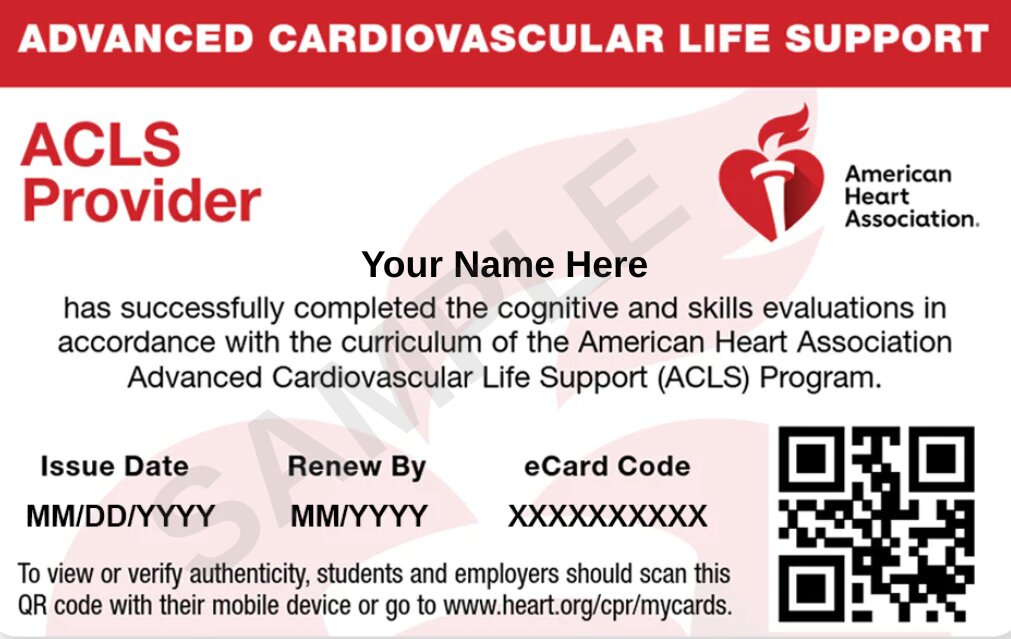
Advanced Cardiovascular Life Support
Flexible & self-paced;
Hands-on practice
Trusted Certification
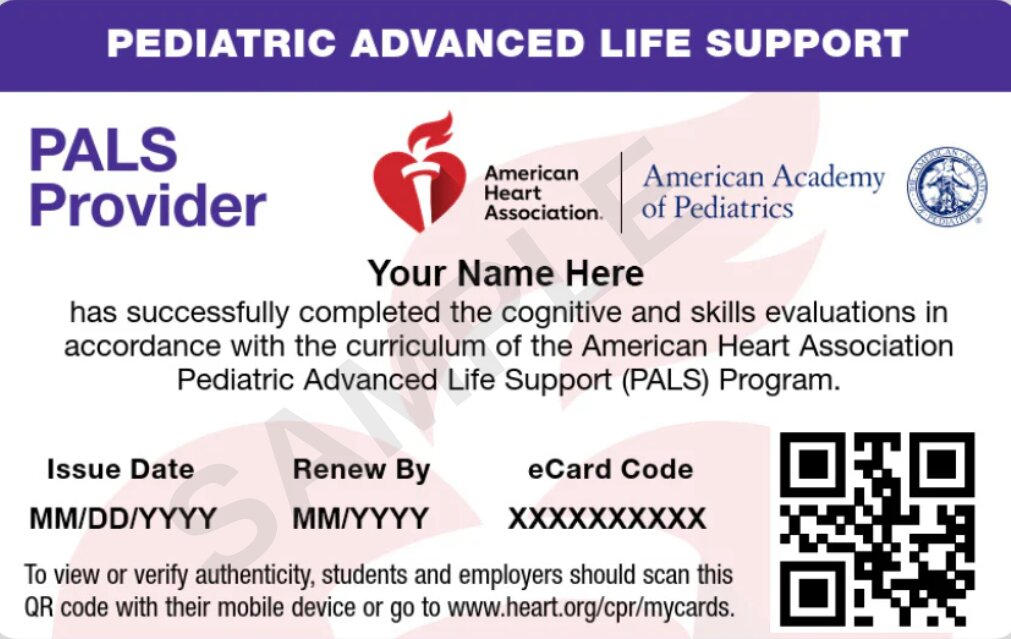
Pediatric Advanced Life Support
Flexible & self-paced;
Hands-on practice
Trusted Certification
PALS certification focuses on the unique assessment and treatment needs of infants and children experiencing medical emergencies. The course prepares healthcare providers to recognize and respond to pediatric emergencies before conditions become critical.
Topics covered include:
Participants strengthen their ability to provide age-appropriate care and work efficiently within a healthcare team when responding to pediatric emergencies.
Healthcare professionals are among the primary participants in ACLS, BLS, and PALS training because they are often responsible for providing immediate care during medical emergencies. Whether working in hospitals, clinics, surgical centers, specialty practices, or long-term care facilities, these individuals must be prepared to recognize life-threatening conditions and respond effectively. The training helps strengthen essential skills such as CPR, airway management, patient assessment, and team-based emergency response while supporting certification requirements for employment, credentialing, and professional development. Participants commonly include nurses, physicians, physician assistants, respiratory therapists, medical assistants, and other professionals involved in direct patient care.
Emergency responders frequently encounter situations where rapid action can significantly impact patient outcomes. ACLS, BLS, and PALS certifications help these professionals maintain the knowledge and confidence required to manage emergencies both in the field and during patient transport. The training reinforces structured assessment techniques, communication strategies, and evidence-based intervention methods used during critical incidents. EMTs, paramedics, firefighters, rescue personnel, ambulance crews, and other emergency service professionals benefit from ongoing education that supports effective decision-making and coordinated response in high-pressure environments.
Students preparing for careers in healthcare often pursue certification before entering clinical rotations, internships, externships, or professional practice. These courses provide valuable exposure to real-world emergency response principles while helping learners bridge the gap between academic instruction and hands-on application. Through practical training, students gain confidence in recognizing medical emergencies, performing CPR, and participating in team-based patient care scenarios. Nursing students, medical students, allied health trainees, and individuals pursuing healthcare careers can all benefit from building a strong foundation in life-saving skills early in their education.
Individuals who work with children, students, and community members are often responsible for maintaining safe environments and responding when emergencies occur. Teachers, school personnel, childcare providers, youth program leaders, social service workers, and community organization staff may be called upon to assist during unexpected medical situations before professional responders arrive. CPR and emergency response training help these professionals recognize warning signs, remain calm under pressure, and provide immediate assistance when needed. The knowledge gained through certification can contribute to safer schools, childcare centers, community programs, and public-serving organizations.
Many people seek certification not because it is required for their profession, but because they want to be better prepared to help others during emergencies. Workplace leaders, safety coordinators, office managers, fitness professionals, parents, family caregivers, and community volunteers can all benefit from learning life-saving techniques. The training provides practical skills that may be used in homes, workplaces, recreational facilities, and public settings where medical emergencies can occur without warning. By developing confidence in CPR, AED use, and emergency response procedures, participants are better equipped to take meaningful action while waiting for advanced medical assistance to arrive.
Our San Mateo courses are structured to support beginners, students, and experienced healthcare providers alike. The training is presented in a clear and practical format so participants can follow along easily, regardless of prior experience in CPR or advanced life support.
Participants can complete the required online coursework and in-person skills session in a streamlined format. Once both components are finished successfully, certification is issued promptly, making it convenient for job requirements, school deadlines, or clinical onboarding.
All training in San Mateo follows the latest American Heart Association guidelines to ensure high-quality instruction. Certifications are widely accepted by healthcare employers, academic programs, and medical institutions across the country.
Our courses are commonly chosen by hospitals, clinics, schools, and workplace safety teams. The training is designed to deliver practical emergency response skills that can be applied confidently in real-life situations.


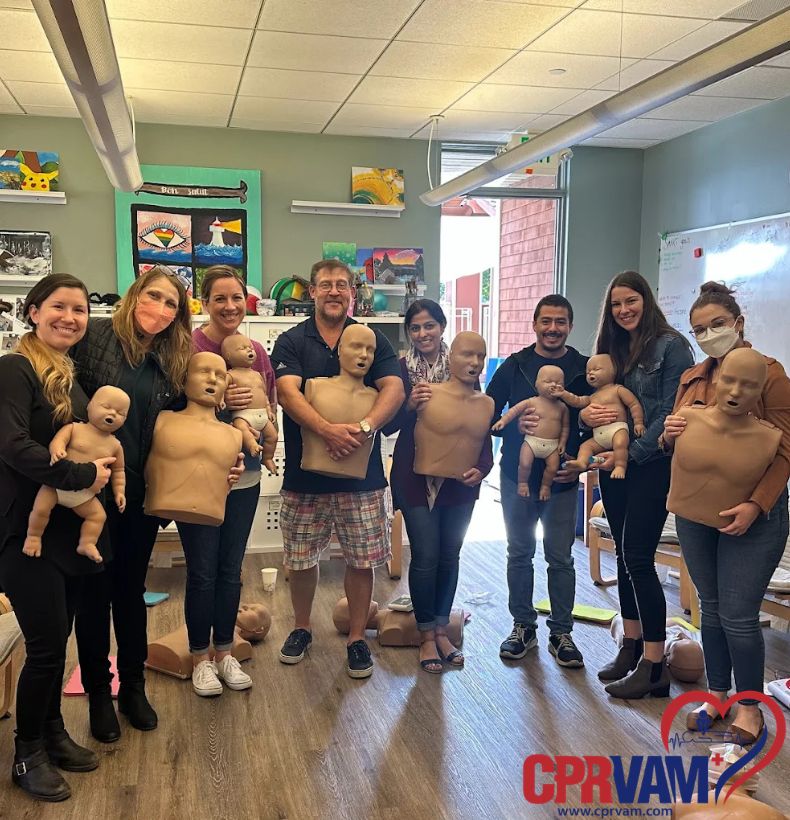
Provide your employees with on-site group CPR and AED training in San Mateo. Instructors come directly to your location to deliver practical CPR instruction, AED training, and emergency response education in a structured group setting. It is a convenient solution for organizations looking to train multiple staff members while saving travel time and maintaining normal workplace operations.
Healthcare Organizations
Corporate Offices
Colleges and Universities
Community and Nonprofit Organizations
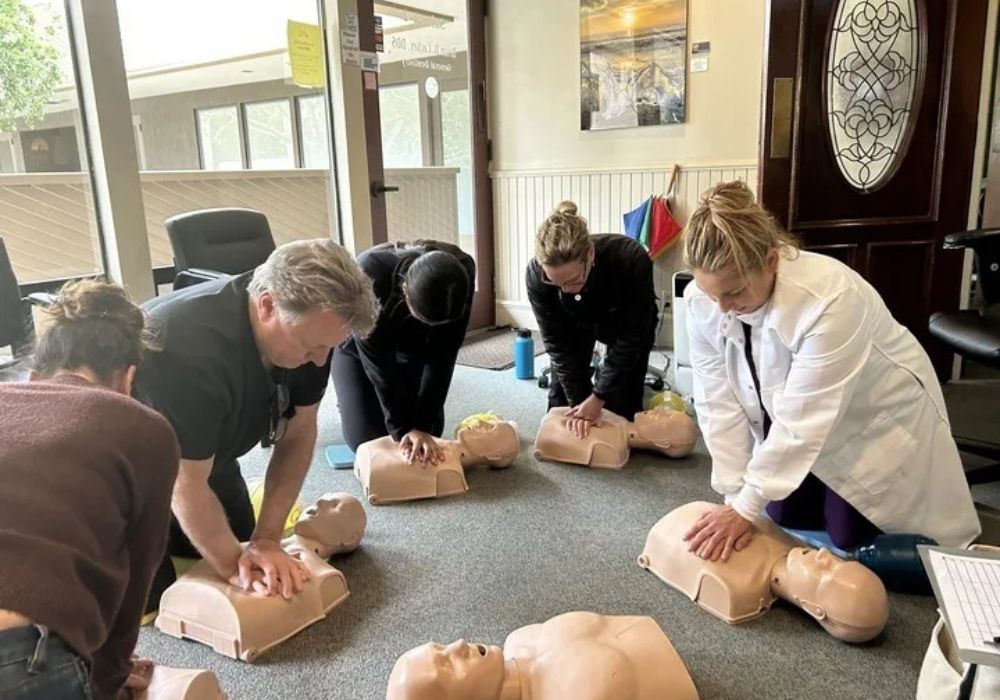
Earn a nationally recognized certification while developing practical emergency response skills. Complete the required online and in-person components and receive your AHA certification after successful completion. Enroll now to secure your spot.
San Mateo healthcare workers, students, and busy working professionals frequently rely on flexible local CPR and life-support courses to complete their certification around demanding schedules. CPR Classes California connects local learners with CPR VAM’s established approach to American Heart Association (AHA) authorized CPR, BLS, ACLS, and PALS education. Built on decades of emergency medical experience, CPR VAM has trained hundreds of thousands of students nationwide.
This experience supports a training process that accommodates modern schedules without eliminating the practical side of certification. San Mateo learners can complete flexible online coursework and then demonstrate their skills through hands-on verification, helping them meet professional requirements while preparing to respond more effectively during real emergencies.
No. Training in San Mateo follows a blended learning format that combines online coursework with a separate in-person skills session. This approach reduces time spent in traditional classrooms while still meeting American Heart Association requirements.
After successfully complete both the online portion and the hands-on skills evaluation at the San Mateo training site, your AHA eCard is typically issued shortly afterward, giving you fast access to proof of certification.
No prior experience is required for BLS, making it suitable for beginners and first-time learners. ACLS and PALS are intended for healthcare providers or students with foundational clinical knowledge, and a current BLS certification is generally recommended.
Yes. Many participants in San Mateo choose to combine certifications such as BLS with ACLS or PALS during the same visit, depending on availability and scheduling.
If a participant does not pass the skills evaluation on the first attempt, additional opportunities are provided to demonstrate competency. This ensures that all learners can properly perform required life-saving techniques before certification is issued.
