If you’re looking for BLS, ACLS, or PALS certification in San Jose, our American Heart Association–approved training provides a flexible blended learning option with online coursework and an in-person skills session. This efficient format allows you to complete certification quickly while maintaining full AHA compliance.
4.9/5 from 800+ reviews, Trusted by California healthcare teams
1754 Technology Dr Suite 120-A San Jose, CA 95110
Conveniently located in California, we offer AHA-certified CPR, First Aid, BLS, ACLS, and PALS courses.
BLS
ACLS
PALS
Monday - Thursday: 8 am - 7 pm
Friday: 8 am - 6 pm
Saturday - Sunday: 9 am - 4 pm
Our San Jose training site is located at 1754 Technology Dr Suite 120-A, San Jose, CA 95110, in a well-connected commercial and business district. The location is easily accessible for healthcare professionals, students, employers, and community members across San Jose, Santa Clara, Sunnyvale, Milpitas, and surrounding Bay Area regions. With proximity to major highways and local roads, the facility is convenient to reach from across Silicon Valley. This is a large office complex, and our unit is located in the last building on the right-hand side.
Take the exit toward Coleman Ave/Technology Dr and follow signs to Technology Dr. Continue until you reach 1754 Technology Dr.
Head northwest toward Coleman Ave, then continue onto Technology Dr. Follow the road until you arrive at Suite 120-A.
Travel southeast via Coleman Ave or nearby connecting roads toward Technology Dr in San Jose. Continue until you reach the training site.
Head south via Airport Blvd toward Coleman Ave, then connect to Technology Dr. Continue to 1754 Technology Dr.
Students can identify the location by looking for:
On-site parking is available in the building parking lot for students attending scheduled sessions. Please park and proceed toward the main atrium entrance of the building.












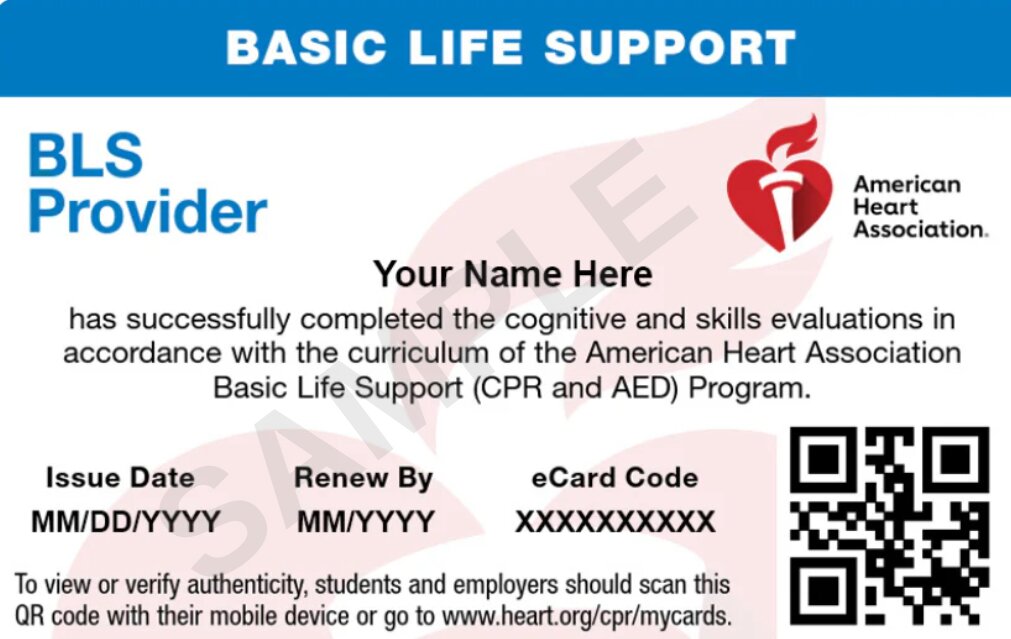
Basic Life Support
Flexible & self-paced;
Hands-on practice
Trusted Certification
The BLS Certification training in San Jose is designed to strengthen fundamental emergency response skills needed in both clinical practice and everyday situations. Participants are trained to quickly recognize life-threatening conditions such as cardiac arrest and respiratory failure, deliver effective CPR for adults, children, and infants, use an AED correctly, and manage choking emergencies. The course places strong emphasis on practical, hands-on learning to help participants respond with speed and confidence in real-world emergencies. It is suitable for healthcare providers, students, and anyone looking to gain essential life-saving abilities.
The ACLS Certification training in San Jose is intended for healthcare professionals involved in the management of critically ill patients. The course focuses on advanced emergency care skills, including ECG rhythm recognition, advanced airway techniques, medication use during resuscitation, and application of evidence-based cardiac arrest protocols. It also develops key competencies in leadership, communication, and coordinated team response during high-pressure situations. This program is best suited for clinicians working in emergency departments, intensive care units, and other acute care environments.
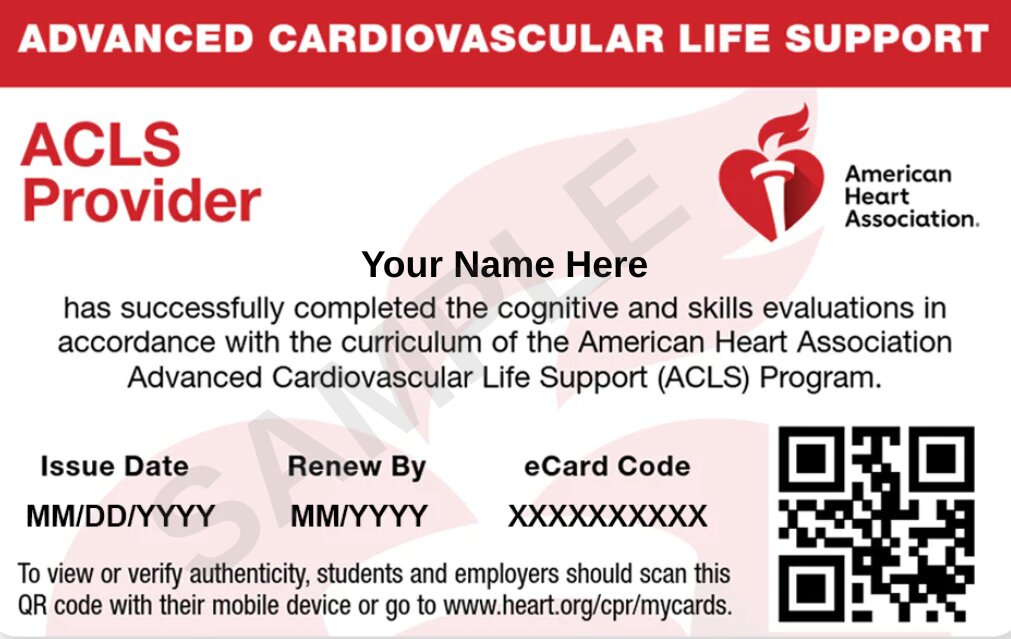
Advanced Cardiovascular Life Support
Flexible & self-paced;
Hands-on practice
Trusted Certification
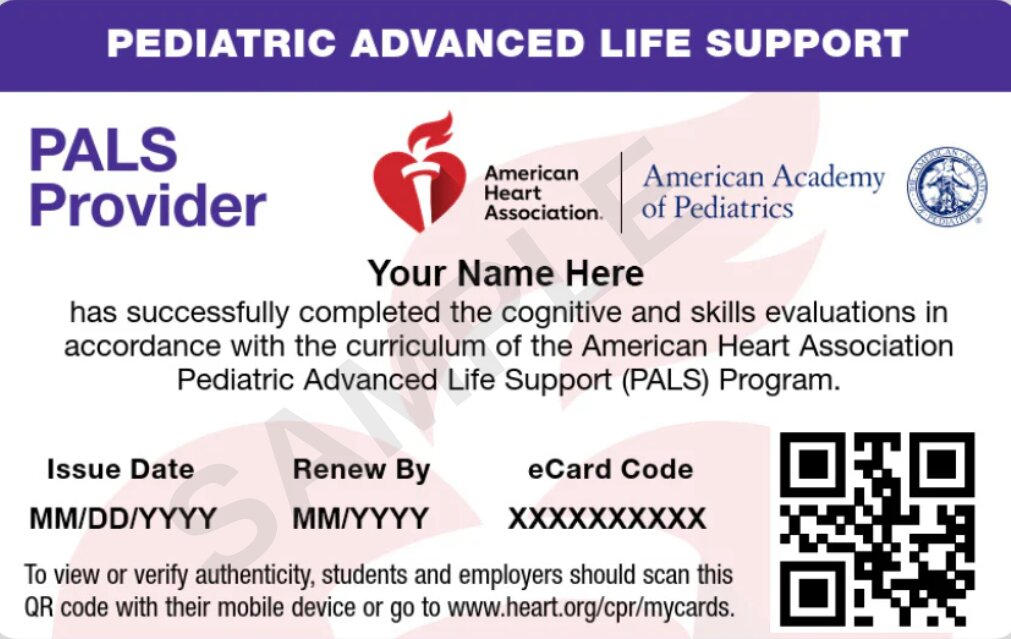
Pediatric Advanced Life Support
Flexible & self-paced;
Hands-on practice
Trusted Certification
The PALS Certification training in San Jose prepares healthcare providers to assess and manage serious medical emergencies in infants and children. The program covers early detection of clinical deterioration, including respiratory distress, shock, and cardiovascular instability, along with appropriate pediatric interventions based on standardized guidelines. It also includes training in airway management, stabilization techniques, and effective team-based response during pediatric emergencies. This course is designed for professionals working in pediatric care units, emergency departments, and urgent care facilities.
This program is intended for individuals working in clinical environments who must demonstrate competency in life-saving protocols as part of their job responsibilities or credentialing. It supports a wide range of roles, including nurses, physicians, physician assistants, nurse practitioners, respiratory therapists, medical assistants, pharmacists, dentists, and allied healthcare staff in both inpatient and outpatient settings. The focus is on strengthening clinical judgment and emergency response performance so providers can act decisively during sudden patient deterioration or critical events in fast-paced care settings.
This training is designed for responders who operate in unpredictable, out-of-hospital environments where care must begin immediately at the scene. It is relevant for EMTs, paramedics, firefighters, search and rescue teams, ambulance personnel, and other emergency responders who manage acute medical and trauma situations. The course builds readiness for high-stress incidents by reinforcing coordinated action, rapid assessment, and intervention skills needed during emergencies involving trauma, airway compromise, cardiac events, or pediatric distress.
This course supports learners who are transitioning from academic study into supervised clinical practice and need structured preparation for patient-facing responsibilities. It applies to students in nursing, medicine, dentistry, paramedicine, respiratory therapy, and related healthcare programs. The training emphasizes applying foundational knowledge in realistic scenarios, helping students adapt to clinical expectations, improve situational awareness, and develop confidence when participating in real patient care environments.
This section is aimed at employees in non-clinical environments where medical emergencies can still occur unexpectedly and require immediate basic response. It includes personnel from schools, childcare centers, corporate offices, fitness facilities, retail operations, hospitality venues, warehouses, and production sites. The focus is on equipping staff with the ability to recognize urgent health events, take initial action, and stabilize the situation until professional medical responders take over, supporting safer workplaces overall.
Complete the coursework online at your own pace. Study anytime that fits your schedule.
Our site is easy to access from across Silicon Valley, reducing travel time for your skills session.
All courses follow American Heart Association guidelines and meet national certification standards.
The blended format helps you finish training efficiently with online learning and a focused skills session.


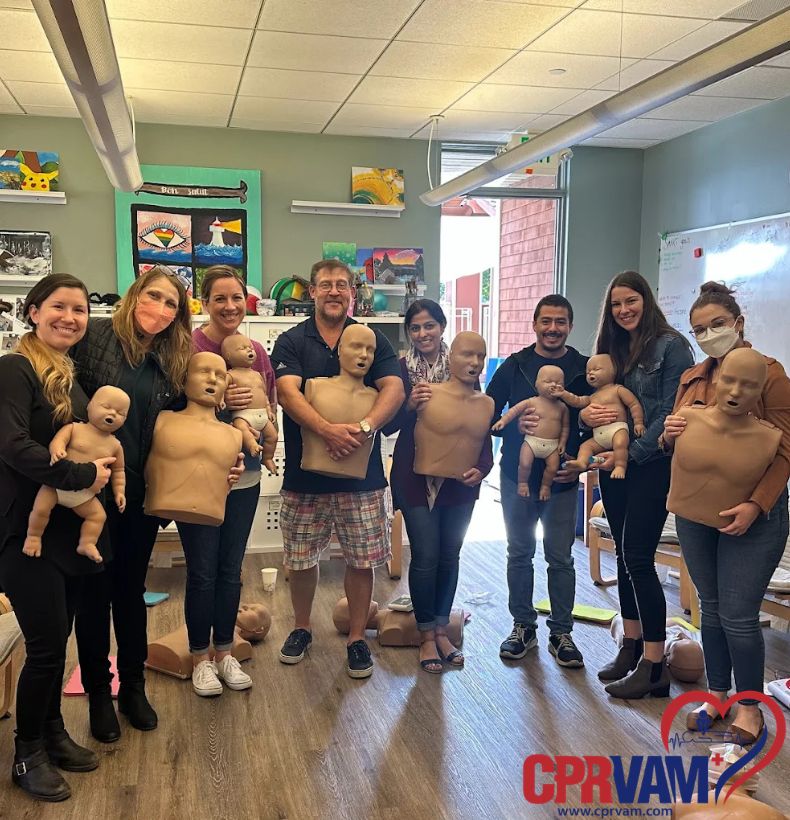
Give your team the opportunity to build essential CPR and life support skills together with on-site training in San Jose. Our instructors bring the equipment and training to your workplace, school, or organization, helping groups learn efficiently without leaving their location. Courses follow current American Heart Association guidelines and are available on flexible weekday or weekend schedules.
Healthcare Organizations
Corporate Offices
Colleges and Universities
Community and Nonprofit Organizations
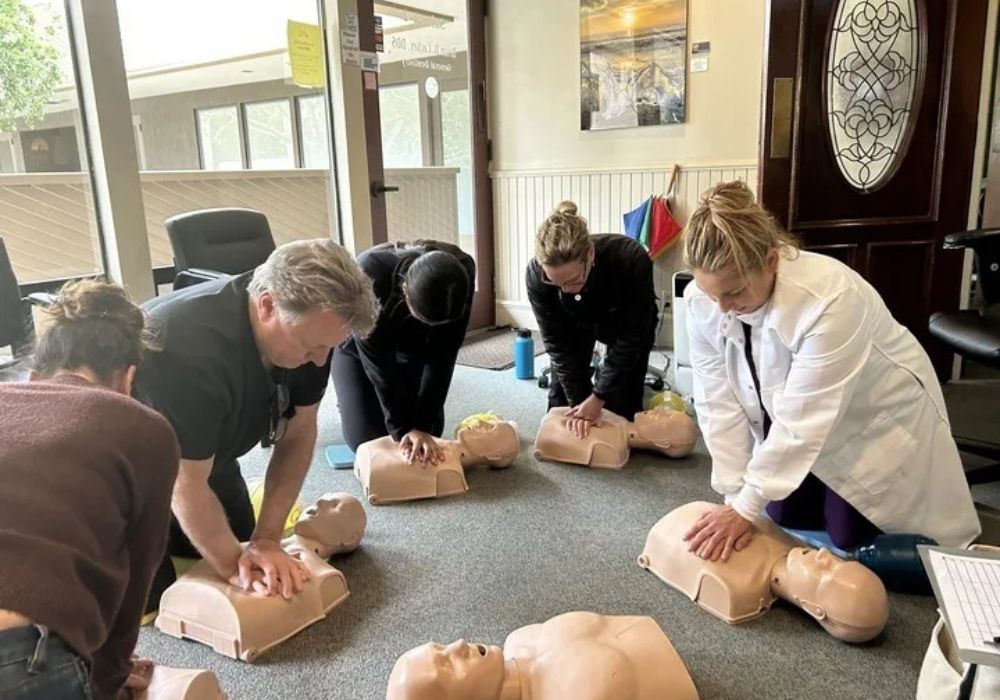
Earn your American Heart Association certification in San Jose through a flexible blended approach that pairs online coursework with a hands-on skills session. Learn at your convenience, complete the required practical evaluation, and obtain your BLS, ACLS, or PALS certification.
Sign up now to begin a smooth and efficient certification process in San Jose.
San Jose’s healthcare, education, technology, and business communities include thousands of professionals and students who depend on AHA CPR classes in San Jose for current CPR and advanced life-support credentials. CPR Classes California provides access to CPR VAM’s nationally established training approach, backed by decades of emergency medical experience and a history of training hundreds of thousands of students. CPR VAM delivers American Heart Association (AHA) authorized CPR, BLS, ACLS, and PALS education.
For San Jose learners, this established experience is combined with a flexible certification process. Online learning provides convenience for the educational component, while hands-on skills verification maintains the practical element of CPR and life-support training. This approach helps local healthcare professionals, students, and organizations pursue certification while developing skills they can rely on during emergencies.
No. The San Jose courses use a blended format with online learning followed by an in-person skills session, meeting AHA requirements without extended classroom time.
Your eCard is typically issued shortly after you complete both the online coursework and the hands-on skills evaluation.
No experience is needed for BLS. ACLS and PALS are designed for healthcare providers and usually require basic clinical knowledge and a current BLS certification.
Yes. Many participants schedule multiple certifications, such as BLS with ACLS or PALS, depending on availability.
If any part of the skills evaluation needs improvement, you are given additional opportunities to demonstrate competency before certification is issued.
