Looking for CPR or advanced life support certification in Campbell? Our American Heart Association–aligned training options make it easy to get certified with flexible scheduling, practical hands-on practice, and digital eCard delivery right after successful completion.
4.9/5 from 800+ reviews, Trusted by California healthcare teams
1550 S. Winchester BLVD, CA 95008
Conveniently located in California, we offer AHA-certified CPR, First Aid, BLS, ACLS, and PALS courses.
BLS
ACLS
PALS
Monday - Thursday: 8 am - 7 pm
Friday: 8 am - 6 pm
Saturday - Sunday: 9 am -4 pm
Our Central Campbell training center is located at 1550 S. Winchester Blvd, Campbell, CA 95008, in a well-connected South Bay commercial area within Campbell. The site is conveniently positioned near shopping, dining, and office hubs, making it easily accessible for learners traveling from across the region. This location regularly serves participants from nearby cities including San Jose, Cupertino, Los Gatos, Santa Clara, and Saratoga. With close access to major highways such as CA-17, I-280, and CA-85, it offers a central and convenient training point for the South Bay area.
Take the exit toward Campbell and follow local roads leading toward Winchester Boulevard. Continue southbound until you reach 1550 S. Winchester Blvd.
Head south along Winchester Boulevard. The training site is a short drive from central Campbell and nearby community landmarks.
Travel west via CA-17, I-280, or CA-85, then connect to Winchester Boulevard heading toward Campbell. Continue until you reach the designated address.
Take CA-17 northbound toward Campbell and exit toward Winchester Boulevard, then proceed to the training center location.
Participants can easily locate the training site using nearby points of interest:
Parking is available in nearby designated or on-site spaces for students attending scheduled sessions. Visitors may use available permitted parking spots during their training appointment.










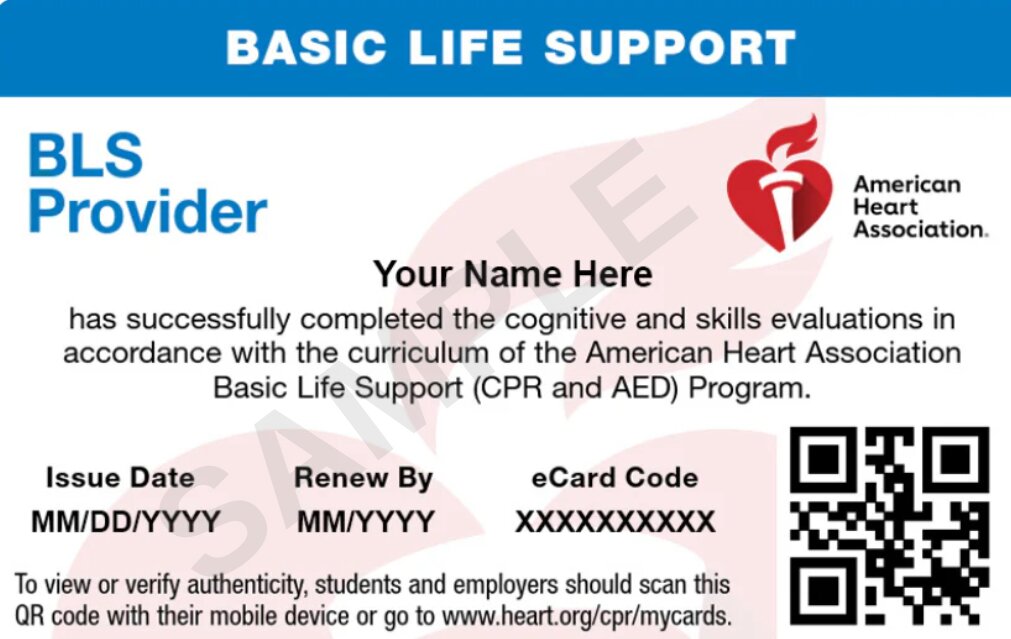
Basic Life Support
Flexible & self-paced;
Hands-on practice
Truster Certification
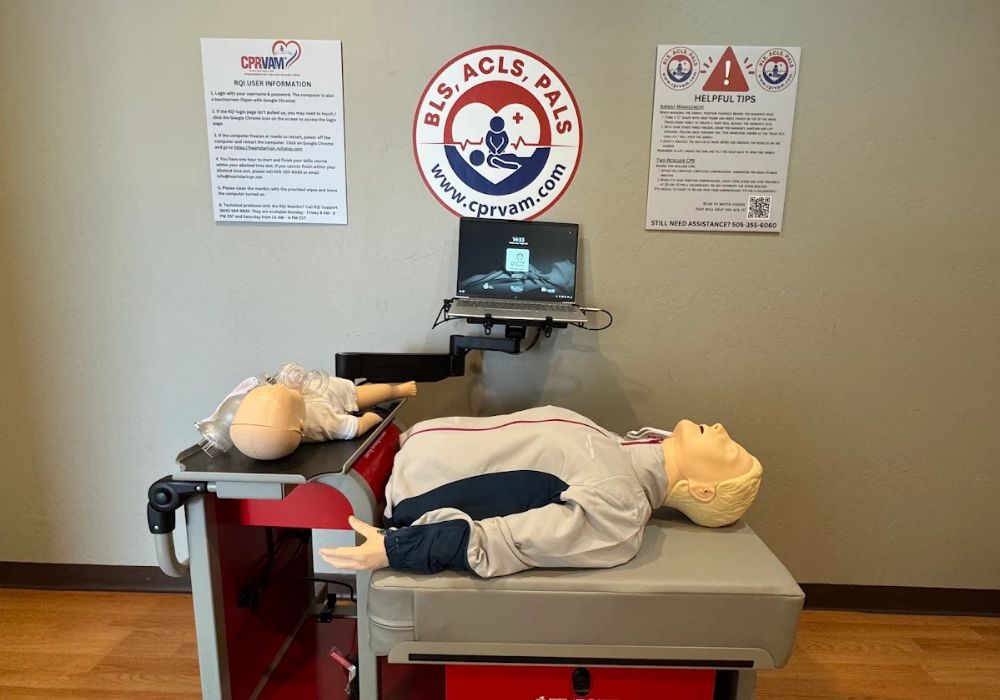
The Campbell BLS training program equips participants with essential lifesaving techniques needed during urgent medical situations such as sudden cardiac arrest, breathing difficulties, and airway obstruction. Instruction includes hands-on practice in adult, child, and infant CPR, correct use of an AED, rescue ventilation, and coordinated response in team settings. This certification is widely required for healthcare practitioners, students in clinical programs, dental staff, and emergency responders across Campbell and nearby South Bay communities.
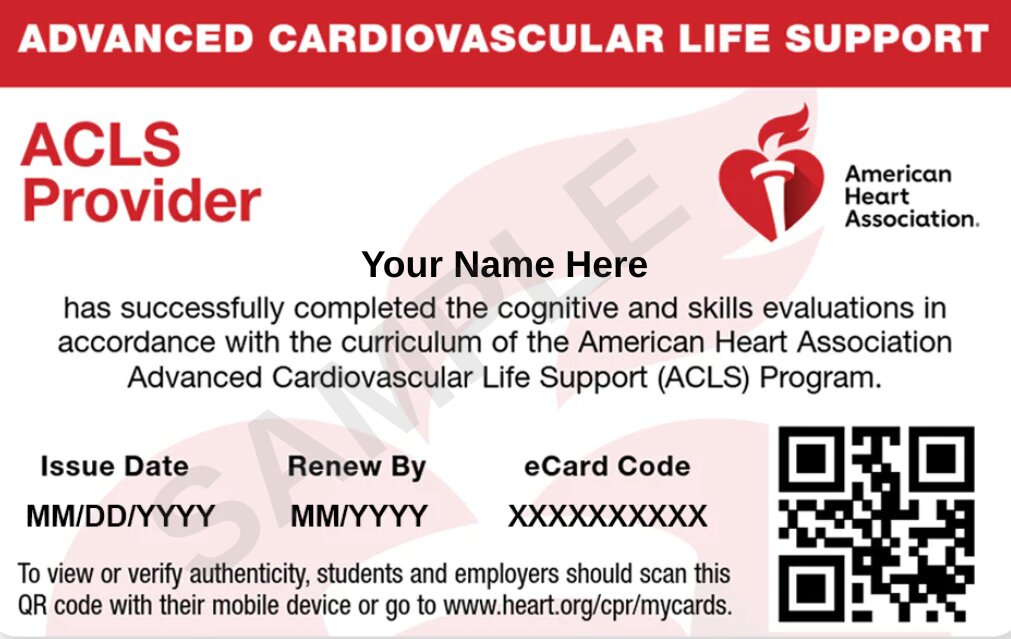
ACLS training in Campbell is structured for healthcare providers responsible for managing complex cardiovascular emergencies in hospital and advanced clinical environments. The course builds competency in interpreting heart rhythms, securing airways, administering emergency medications, and applying standardized resuscitation protocols based on current AHA recommendations. It is designed to strengthen clinical judgment and improve performance during time-critical cardiac and respiratory events.
Advanced Cardiovascular Life Support
Flexible & self-paced;
Hands-on practice
Truster Certification
Pediatric Advanced Life Support
Flexible & self-paced;
Hands-on practice
Truster Certification
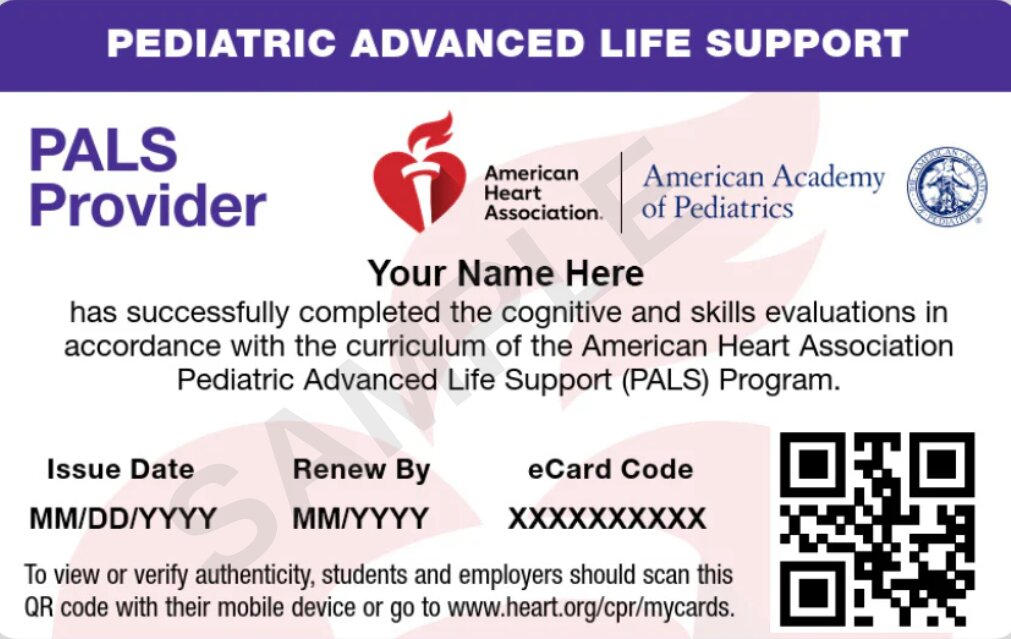
The PALS course in Campbell focuses on the recognition and management of serious medical conditions affecting infants and children. Participants learn to assess pediatric patients quickly, identify warning signs of shock or respiratory failure, and carry out step-by-step treatment approaches in emergency situations. Emphasis is placed on structured thinking, effective teamwork, and rapid intervention in pediatric critical care scenarios.
This program is developed for individuals working in healthcare settings who must hold current CPR and advanced life support certification for professional practice, licensing, or workplace compliance. It applies to nurses, doctors, physician assistants, nurse practitioners, respiratory therapists, medical assistants, pharmacists, dentists, lab technicians, and other clinical staff working across hospitals, outpatient centers, urgent care facilities, surgical units, rehabilitation centers, and specialty departments. The training supports ongoing skill development, helps maintain valid credentials, and reinforces the ability to respond effectively during cardiac, respiratory, and other emergency situations in clinical care environments.
This course is intended for professionals who respond directly to emergency situations and are required to maintain up-to-date certification for operational readiness. It is relevant for EMTs, paramedics, advanced EMTs, firefighters, rescue teams, ambulance crews, and other field responders who regularly manage urgent medical calls. The curriculum emphasizes core resuscitation skills, patient evaluation techniques, coordinated team action, and structured emergency response procedures used in situations such as cardiac arrest, breathing failure, trauma incidents, and pediatric emergencies in both pre-hospital and transport care settings.
This training is ideal for students preparing to enter healthcare professions who must complete certification before clinical placements or hands-on training requirements. It is commonly taken by learners in nursing, medicine, dentistry, EMS, respiratory therapy, physician assistant, medical assisting, and allied health programs. Participants gain essential foundational knowledge and practical emergency response skills that support academic progression and prepare them for supervised clinical environments, internships, simulations, and real patient care experiences.
Many organizations integrate this training into workplace safety and emergency preparedness programs. It is suitable for supervisors, managers, safety coordinators, HR personnel, and employees in industries such as education, corporate offices, childcare centers, hospitality, retail, manufacturing, warehousing, fitness centers, and nonprofit organizations. The course helps improve emergency readiness, builds team confidence, and ensures staff are prepared to respond appropriately during unexpected medical incidents in the workplace.
This course is also designed for individuals who are not in healthcare professions but want to be prepared for emergency situations. It is suitable for parents, caregivers, babysitters, teachers, coaches, volunteers, youth leaders, and community members. The training focuses on recognizing life-threatening conditions, providing immediate assistance, and supporting individuals until professional help arrives, equipping participants with practical skills that can be used in homes, schools, workplaces, and public settings.
Our Campbell courses are designed for beginners, healthcare workers, and experienced providers. The format is simple, clear, and easy to follow for all participants.
Complete online lessons and a hands-on skills session efficiently. Your eCard is issued quickly after successful completion, ideal for work or school needs.
All instructions follow current American Heart Association standards. Your certification is widely accepted by hospitals, clinics, schools, and employers nationwide.
Our training is trusted by healthcare teams, schools, and workplaces. It delivers consistent, practical emergency preparedness skills for real-world situations.


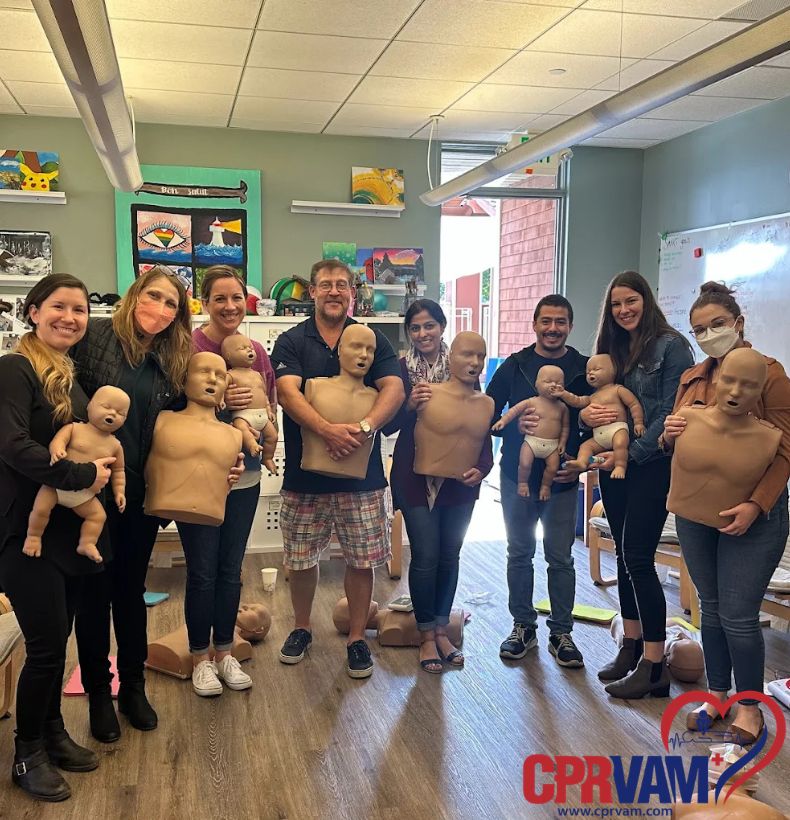
We offer on-site CPR and life support training in Campbell for organizations that want a simple and efficient way to certify multiple people at once. Our team brings the training directly to your location, helping groups complete both instruction and hands-on practice in one coordinated session. This approach saves time, reduces travel, and allows teams to stay productive while completing required certification.
Healthcare Organizations
Corporate Offices
Colleges and Universities
Community and Nonprofit Organizations
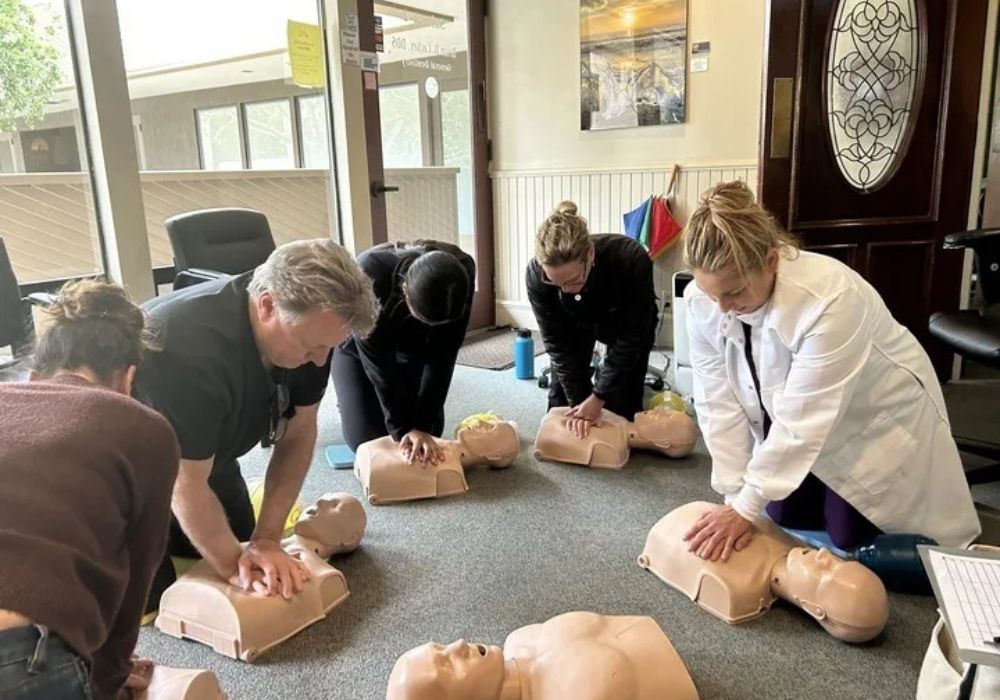
Our Campbell ACLS, BLS, and PALS courses are built for convenience and speed. Designed for healthcare workers, learners, and teams, the training lets you study online, complete your skills check, and obtain your AHA eCard without unnecessary waiting.
CPR Classes California brings the experience of CPR VAM to Campbell and surrounding Silicon Valley communities, providing access to American Heart Association (AHA) authorized CPR, BLS, ACLS, and PALS education. With decades of real-world emergency medical experience and hundreds of thousands of students trained nationwide, CPR VAM has developed a proven approach that combines flexible online education with hands-on skills verification. This established training model gives Campbell healthcare professionals, students, businesses, and community members a convenient way to pursue nationally recognized certification.
Our focus extends beyond completing a certification requirement. Through practical skills, AHA-compliant curriculum, and a structured learning experience, CPR Classes California helps Campbell-area learners build the knowledge and confidence needed to respond appropriately during real-life emergencies.
No. The program uses a blended format with online coursework and a separate in-person skills session. This reduces time in a traditional classroom while still meeting AHA standards.
After you complete both the online training and hands-on skills evaluation, your AHA eCard is typically issued shortly afterward. This provides quick access to your certification proof.
BLS does not require prior experience and is open to all learners. ACLS and PALS are designed for healthcare providers or students with basic clinical knowledge and usually require a current BLS certification.
Yes. Many participants choose to complete combined courses such as BLS with ACLS or PALS in a single appointment, depending on availability and scheduling.
If the skills evaluation is not passed on the first attempt, additional opportunities are provided. This ensures every participant can demonstrate proper and safe life-saving techniques before certification is issued.
