Looking for an American Heart Association (AHA) BLS, ACLS, or PALS class in Albany, California? Our certification options combine flexible online coursework with a scheduled, in-person skills evaluation. This learning format helps healthcare workers, students, and other eligible participants complete their course requirements without spending unnecessary time away from work or school.
4.9/5 from 800+ reviews, Trusted by California healthcare teams
828 San Pablo Ave, Albany, CA 94706
Conveniently located in California, we offer AHA-certified CPR, First Aid, BLS, ACLS, and PALS courses.
BLS
ACLS
PALS
Monday - Thursday: 8 am - 7 pm
Friday: 8 am - 5 pm
Saturday - Sunday: 9 am - 2 pm
Our Albany training site at 828 San Pablo Ave, Albany, CA 94706, is located inside Atrium Plaza, a commercial building with convenient access to street parking and a parking lot behind the building. The location serves healthcare professionals, students, workplace teams, and community members from Albany, Berkeley, El Cerrito, Richmond, Oakland, and nearby areas of the East Bay.
Take the appropriate exit toward Albany and follow the local roads to San Pablo Avenue. Continue along San Pablo Avenue until you reach 828 San Pablo Ave, where the training site is located inside Atrium Plaza.
Head toward San Pablo Avenue using the main roads through Albany. Follow San Pablo Avenue to 828 San Pablo Ave and look for Atrium Plaza.
Travel north toward Albany using San Pablo Avenue or a connecting local road. Continue along San Pablo Avenue until you reach 828 San Pablo Ave, Albany, CA 94706.
Travel north or northeast toward Albany using San Pablo Avenue or a connecting route. Follow San Pablo Avenue into Albany and look for Atrium Plaza at 828 San Pablo Ave.
Participants can identify the training location using these reference points:
Street parking is available near the building. Participants can also use the parking lot behind Atrium Plaza, accessible from the street behind the building. Check posted parking restrictions and availability before leaving your vehicle.












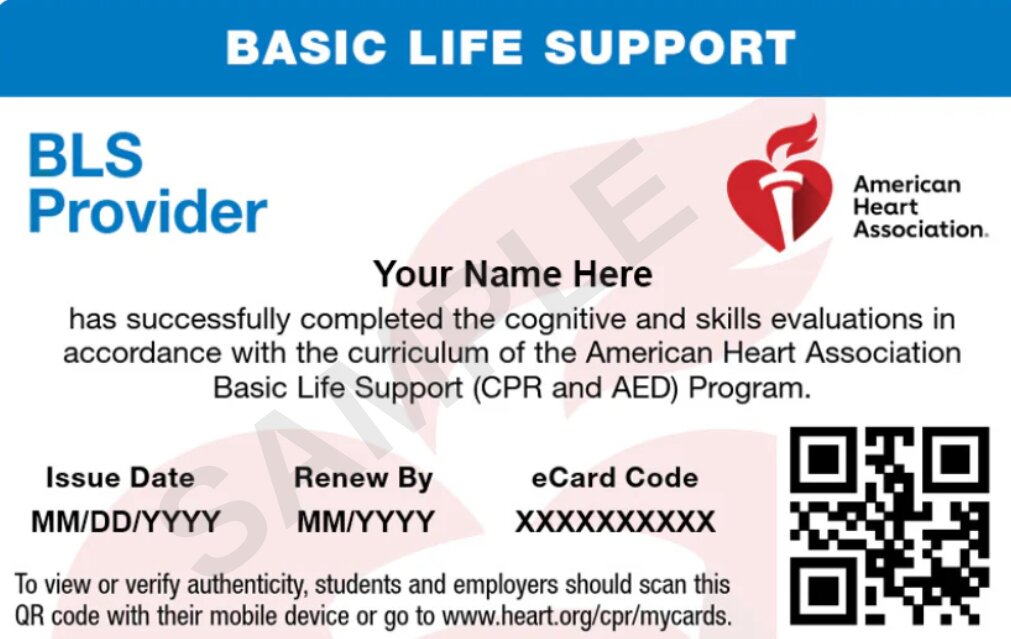
Basic Life Support
Flexible & self-paced;
Hands-on practice
Truster Certification
Basic Life Support (BLS) teaches the core lifesaving skills used during cardiac arrest and other life-threatening emergencies. Participants develop knowledge of high-quality CPR, automated external defibrillator (AED) use, ventilation, and team-based resuscitation for adults, children, and infants.
BLS is particularly relevant to nurses, physicians, emergency medical personnel, and other healthcare workers who need this credential for clinical duties. Students entering healthcare programs and other individuals with applicable certification requirements should verify which BLS course their organization accepts before enrolling.
Advanced Cardiovascular Life Support (ACLS) focuses on recognizing and managing serious cardiovascular emergencies in adult patients. The curriculum addresses cardiac rhythm interpretation, systematic patient assessment, airway and ventilation management, resuscitation algorithms, and coordinated emergency care.
This course is intended for healthcare professionals whose responsibilities include advanced management of cardiovascular emergencies. It builds on foundational resuscitation knowledge and emphasizes clinical judgment, communication, and effective team response during time-sensitive situations.
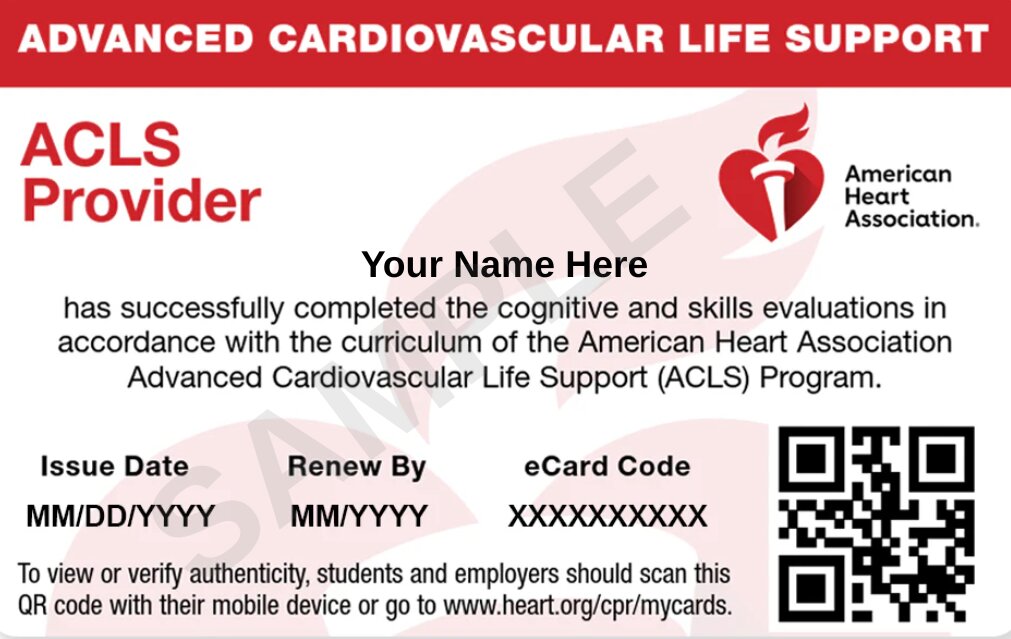
Advanced Cardiovascular Life Support
Flexible & self-paced;
Hands-on practice
Truster Certification
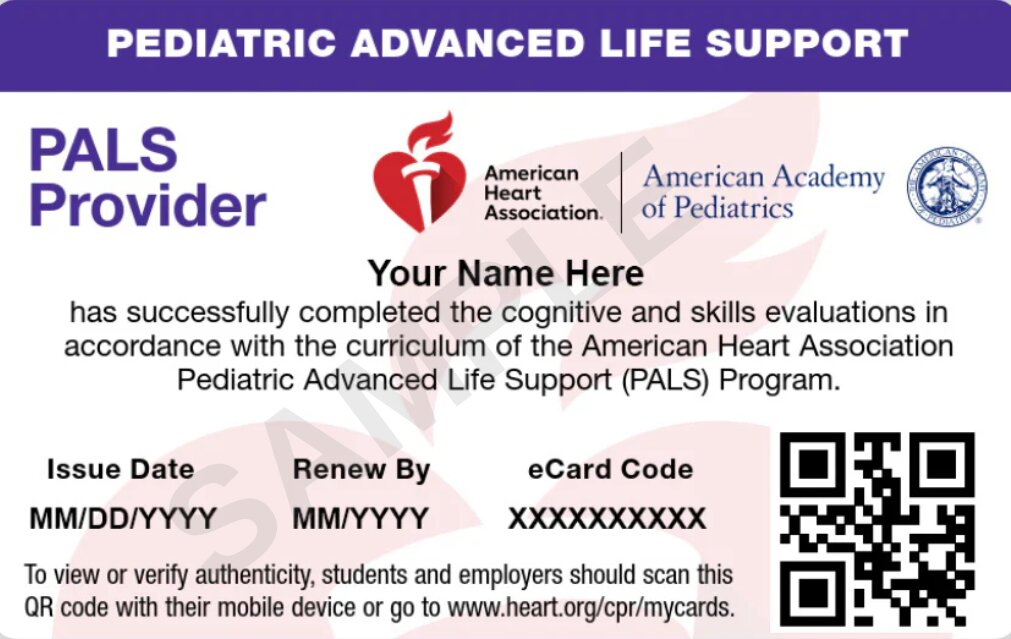
Pediatric Advanced Life Support
Flexible & self-paced;
Hands-on practice
Truster Certification
Pediatric Advanced Life Support (PALS) prepares eligible healthcare professionals to assess and manage critical illnesses and emergencies involving infants and children. Key learning areas include recognizing respiratory compromise, identifying shock, evaluating pediatric patients, and selecting appropriate interventions.
The course also emphasizes organized assessment, reassessment, communication, and teamwork during pediatric resuscitation. It is a relevant option for professionals working in emergency medicine, pediatric care, intensive care, and other settings where advanced pediatric emergency skills are required.
Healthcare professionals working in hospitals, clinics, outpatient practices, and specialty departments often need current resuscitation credentials. Depending on their roles, nurses, physicians, respiratory therapists, physician assistants, nurse practitioners, and other clinical personnel might require BLS, ACLS, or PALS. Selecting the appropriate course helps align certification with job duties and employer policies.
Emergency medical personnel work in situations where rapid assessment and effective resuscitation are essential. BLS and applicable advanced life support courses help qualified responders maintain the knowledge expected for their assigned responsibilities. Participants should confirm the credential required by their employer or licensing authority.
Students preparing for nursing, medical, dental, respiratory therapy, and emergency medical careers often encounter CPR certification requirements during coursework, clinical placements, or internships. Completing the appropriate course in advance helps them prepare for these requirements and develop practical familiarity with lifesaving procedures.
Businesses, educational institutions, and other organizations need employees who understand how to respond when a medical emergency occurs. Depending on their workforce and applicable regulations, organizations might require CPR or BLS certification for designated staff. Group arrangements offer a practical way to coordinate training across departments or teams.
Online coursework gives participants flexibility when preparing for certification. You can organize the learning portion around work, school, or other commitments before attending the required in-person evaluation.
The online and in-person components serve different purposes. Coursework builds the required knowledge, while the skills evaluation checks the practical competencies required by the selected course.
After meeting all course requirements, participants receive their AHA eCard digitally. This makes it easier to access and present certification details when requested by an employer or educational institution.
BLS, ACLS, and PALS serve different purposes. Reviewing the course requirements before registration helps you choose the credential that matches your responsibilities rather than enrolling in an unsuitable program.


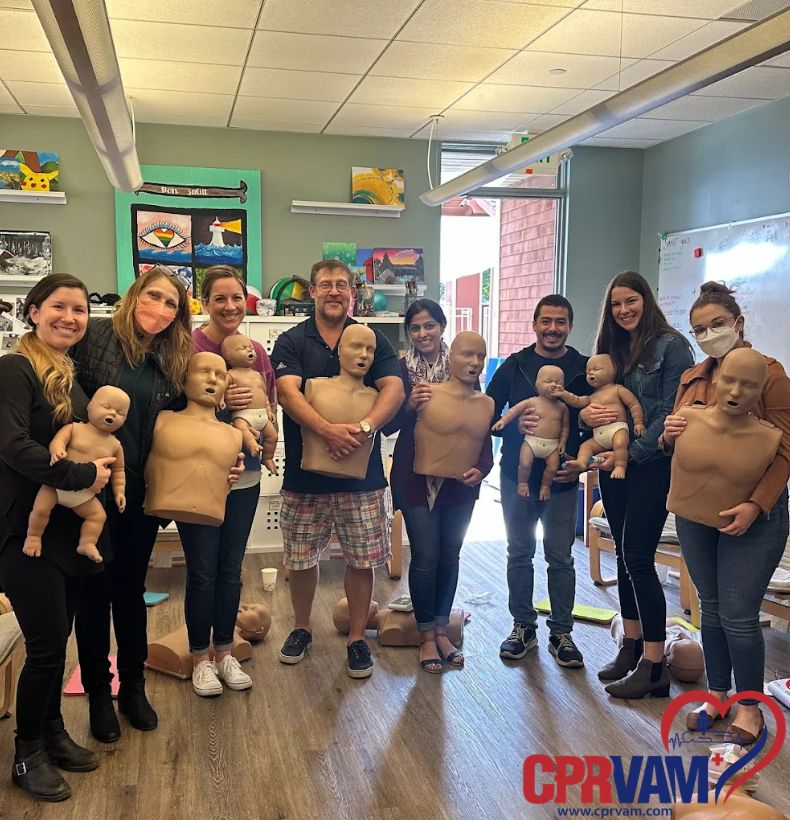
Does your organization need to coordinate certification for several employees? Group training arrangements provide an opportunity to organize course participation around your team’s operational schedule.
Depending on the courses offered and the arrangements available, group options might suit:
Healthcare Organizations
Corporate Offices
Colleges and Universities
Community and Nonprofit Organizations
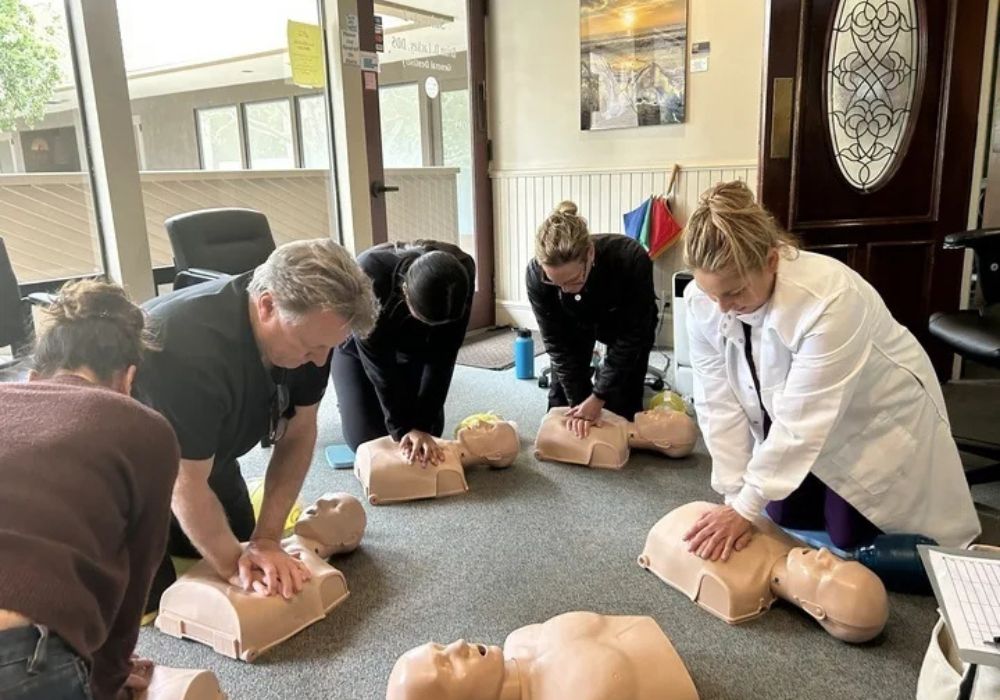
Whether you need foundational BLS skills or advanced certification in adult or pediatric emergency care, begin by identifying the course that matches your professional requirements. Review the available options, complete the required coursework, and attend your scheduled skills evaluation in Albany to finish the certification process.
CPR Classes California connects Albany healthcare professionals, students, businesses, and community members with American Heart Association (AHA) CPR, BLS, ACLS, and PALS courses through CPR VAM. With extensive experience in emergency medical education, CPR VAM combines flexible online coursework with hands-on skills assessments to help learners meet certification requirements while developing essential resuscitation skills.
Through structured learning and practical skills verification, CPR Classes California helps Albany-area participants find local CPR classes that prepare them for professional requirements and help them respond more effectively to life-threatening emergencies.
Complete the required online coursework and review the applicable skills material before attending your appointment. Check your registration confirmation for any additional prerequisites or preparation instructions.
ACLS and PALS are advanced courses designed for healthcare professionals with the appropriate foundational knowledge and skills. Participants should review the relevant prerequisites before registering. Those who need foundational CPR certification should first determine whether BLS is the appropriate option.
The pathway described here includes online coursework and an in-person skills evaluation. Completing the online lessons alone does not satisfy all requirements for this course format. You must successfully complete the required components to qualify for the corresponding AHA eCard.
The eCard is issued digitally after successful completion and verification of the required course components. Exact availability depends on the applicable course procedures, so review the completion instructions provided by the training provider.
Ask your employer, school, or licensing organization whether you need BLS, ACLS, or PALS and whether it requires a specific course format. Confirm those requirements before paying for a course to avoid choosing a credential that does not meet your needs.
