When someone experiences sudden cardiac arrest, every second counts. Immediate cardiopulmonary resuscitation (CPR) can significantly improve the chances of survival before emergency medical services (EMS) arrive. Despite the importance of quick action, many bystanders hesitate to perform CPR because they fear being sued if their efforts unintentionally cause injury or fail to save the person’s life.
To address this concern, California has enacted Good Samaritan laws that provide legal protection for individuals who voluntarily offer emergency assistance. These laws are intended to encourage people to help during emergencies by reducing the risk of certain civil liability claims when aid is provided in good faith.
If you’re wondering whether the Good Samaritan Law in California protects CPR providers, what legal requirements apply, or whether CPR certification affects your protection, this guide explains everything you need to know.
What Is the Good Samaritan Law in California?
The Good Samaritan Law in California is a legal safeguard designed to encourage people to assist others during emergencies without fearing unnecessary civil lawsuits. The primary statute governing these protections is California Health and Safety Code Section 1799.102, which generally protects individuals who voluntarily provide emergency medical or nonmedical care at the scene of an emergency.
The purpose of the law is straightforward: people should not avoid helping someone in a life-threatening situation simply because they are worried about legal consequences.
The law typically applies when a person:
- Voluntarily provides emergency assistance.
- Acts in good faith.
- Does not expect payment or compensation.
- Responds at the scene of an emergency.
- Does not engage in gross negligence or intentional misconduct.
It’s important to understand that the Good Samaritan Law does not guarantee immunity from every lawsuit. Instead, it provides a legal defense against certain civil liability claims when its requirements are met.
Does the California Good Samaritan Law Protect CPR?
Yes. The California Good Samaritan Law generally protects individuals who voluntarily perform CPR during a medical emergency, provided they act in good faith and meet the legal requirements of the statute. Cardiopulmonary resuscitation is often the first lifesaving intervention performed when someone experiences sudden cardiac arrest. Since CPR must usually begin before professional responders arrive, California law recognizes the need to encourage bystanders to act quickly.
The law may apply in situations such as:
- Performing CPR on a stranger who collapses in public.
- Assisting a family member experiencing cardiac arrest.
- Providing CPR to a coworker until paramedics arrive.
- Helping someone after a drowning incident.
- Performing chest compressions while another person retrieves an Automated External Defibrillator (AED).
Because CPR is physically demanding, it may cause injuries even when performed correctly. The law acknowledges that emergency responders must make rapid decisions under stressful circumstances and that good-faith efforts should not automatically result in legal liability. However, the protection generally applies only when CPR is provided voluntarily and without reckless or intentional misconduct.
What Does the California Good Samaritan Law Protect CPR Helpers From?
One of the biggest misconceptions about CPR is that a rescuer will automatically be sued if the victim does not survive or suffers an injury during resuscitation. In reality, the California Good Samaritan Law generally protects CPR providers from civil liability when they voluntarily provide emergency care under qualifying circumstances.
The law is intended to protect rescuers from legal claims arising from good-faith emergency assistance rather than guaranteeing immunity in every situation.
Examples of situations that are generally covered include:
Performing CPR During Cardiac Arrest
If a bystander begins CPR on someone who has no pulse and is not breathing normally, the rescuer is generally protected for making a reasonable effort to save the person’s life.
Providing Emergency First Aid
Protection may also extend to other emergency actions, such as controlling severe bleeding, assisting someone who is choking, or helping an injured person until EMS arrives.
Using an AED
Good Samaritan protections generally apply when someone uses an AED appropriately during a sudden cardiac arrest emergency.
Unintentional Injuries
Effective CPR often requires forceful chest compressions. As a result, injuries such as bruising or broken ribs can occur even when CPR is performed correctly. These unintended injuries alone do not typically remove Good Samaritan protection.
Unsuccessful Rescue Attempts
Unfortunately, not every cardiac arrest victim survives. The law recognizes that emergency responders and bystanders cannot guarantee a successful outcome. A failed resuscitation attempt does not automatically create legal liability when care was provided reasonably and in good faith.
However, Good Samaritan protection generally does not extend to actions involving:
- Gross negligence.
- Reckless behavior.
- Intentional harm.
- Willful misconduct.
- Emergency care provided in exchange for compensation when other legal standards apply.
California CPR Good Samaritan Law Requirements
While the California Good Samaritan Law offers important legal protections, certain conditions generally must be met for those protections to apply.
The Emergency Must Be Genuine
The law is intended for unexpected emergencies that require immediate assistance, such as:
- Sudden cardiac arrest
- Choking
- Severe allergic reactions
- Serious injuries
- Unconsciousness
- Major bleeding
- Medical emergencies requiring immediate intervention
Care Must Be Voluntary
The rescuer must choose to help voluntarily rather than as part of a paid obligation under circumstances where different legal duties apply.
Voluntary assistance is one of the key elements of Good Samaritan protection.
The Rescuer Must Act in Good Faith
Good faith means the person genuinely intends to help the victim rather than cause harm or act irresponsibly.
Reasonable efforts to save a life are generally protected, even if the outcome is not successful.
Care Must Be Provided at the Scene of the Emergency
Good Samaritan protections generally apply to emergency assistance provided where the emergency occurs.
Examples include:
- Schools
- Parks
- Restaurants
- Shopping centers
- Sports facilities
- Offices
- Homes
- Public streets
- Airports
No Gross Negligence or Willful Misconduct
One of the most important limitations involves gross negligence. Gross negligence generally refers to conduct that demonstrates a significant departure from the level of care that a reasonably careful person would exercise under similar circumstances.
Examples might include intentionally ignoring obvious dangers or acting with reckless disregard for the victim’s safety. The law is designed to protect reasonable emergency assistance, not reckless or intentionally harmful behavior.
The Rescuer Should Contact Emergency Services
Although beginning CPR immediately is critical during cardiac arrest, someone should also call 911 or direct another bystander to do so as quickly as possible.
Professional medical care should always be requested while CPR continues until EMS personnel arrive or the victim begins breathing normally.
Are CPR Injuries Covered Under California Good Samaritan Law?
Yes. CPR-related injuries are generally covered under California’s Good Samaritan Law when a person voluntarily provides emergency care in good faith and without gross negligence. This protection recognizes that lifesaving measures, particularly chest compressions, can unintentionally cause injuries even when performed correctly.
Common CPR-related injuries may include:
- Broken or cracked ribs
- Bruising on the chest
- Soreness or muscle strain
- Minor injuries were caused while repositioning the victim
These injuries can occur even when CPR is performed according to current American Heart Association (AHA) guidelines. The priority during cardiac arrest is restoring blood circulation and oxygen delivery, not avoiding minor injuries.
Does California Require You to Perform CPR on Someone?
In most situations, California does not require ordinary citizens to perform CPR or provide emergency assistance to someone experiencing cardiac arrest or another medical emergency.
Unlike some countries that impose a legal duty to rescue, California generally allows bystanders to choose whether to help. The Good Samaritan Law encourages people to act by offering legal protection, but it does not create a legal obligation for members of the public to perform CPR. Although there is typically no legal duty for an untrained bystander to intervene, taking action can make a life-saving difference. Immediate CPR can double or even triple the chances of survival for someone experiencing sudden cardiac arrest.
Does CPR Training Affect Good Samaritan Protection in California?
CPR training is not required to receive Good Samaritan protection in California. The law generally applies to individuals who voluntarily provide emergency assistance in good faith, regardless of whether they hold a CPR certification.
However, completing a CPR course can significantly improve your ability to respond effectively during an emergency.
CPR training helps you learn how to:
- Recognize the signs of sudden cardiac arrest
- Perform high-quality chest compressions
- Deliver rescue breaths when appropriate
- Use an automated external defibrillator (AED)
- Help choking adults, children, and infants
- Work effectively with emergency medical responders
Training also builds confidence. Many people hesitate during emergencies because they are unsure what to do or fear making a mistake. Hands-on CPR practice helps reduce hesitation and increases the likelihood that someone will step in when every second counts.
Why Is the Good Samaritan Law Important?
The Good Samaritan Law plays a vital role in strengthening California’s emergency response system by encouraging people to help during life-threatening situations without fear of legal consequences.
The law benefits communities by:
- Encouraging immediate CPR and first aid.
- Reducing hesitation caused by fear of lawsuits.
- Supporting faster emergency response.
- Increasing confidence among trained and untrained rescuers.
- Improving survival outcomes for cardiac arrest victims.
- Promoting greater public awareness of lifesaving skills.
Without Good Samaritan protections, many people might hesitate to intervene, resulting in lost opportunities to save lives during the critical first few minutes of an emergency.
Common Misconceptions About California’s Good Samaritan Law
“I’ll be sued if CPR doesn’t save the person.”
Not necessarily. The Good Samaritan Law generally protects people who provide emergency assistance in good faith. A person not surviving cardiac arrest does not automatically create legal liability.
“Only doctors and nurses are protected.”
False. Protection may apply to ordinary citizens, CPR-certified individuals, teachers, coaches, parents, caregivers, and other bystanders who voluntarily provide emergency assistance.
“You must be CPR certified before helping someone.”
No. Certification is not a requirement for Good Samaritan protection, although CPR training helps rescuers respond more effectively.
“Breaking someone’s ribs means I performed CPR incorrectly.”
Broken ribs are a recognized risk of effective adult CPR. High-quality chest compressions require significant force, and rib fractures can occur even when CPR is performed properly.
“Using an AED is dangerous.”
Modern AEDs are designed with built-in safety features. They analyze the heart’s rhythm and deliver a shock only when appropriate, making them safe for public use.
“The Good Samaritan Law protects every action during an emergency.”
The law generally protects good-faith emergency assistance, but it does not protect actions involving gross negligence, willful misconduct, or intentional harm.
Learn CPR and Be Ready to Help When It Matters Most
California’s Good Samaritan Law encourages people to provide lifesaving assistance during emergencies by offering legal protection to those who voluntarily act in good faith. While the law generally shields CPR providers from certain civil liability claims, understanding its requirements and limitations is just as important as knowing how to perform CPR correctly. Earning CPR certification equips you with the skills and confidence to recognize cardiac arrest, deliver high-quality chest compressions, use an AED, and respond effectively until emergency medical services arrive. Whether you’re a healthcare professional, teacher, coach, caregiver, or concerned citizen, CPR training prepares you to act decisively and potentially save a life when every second counts.
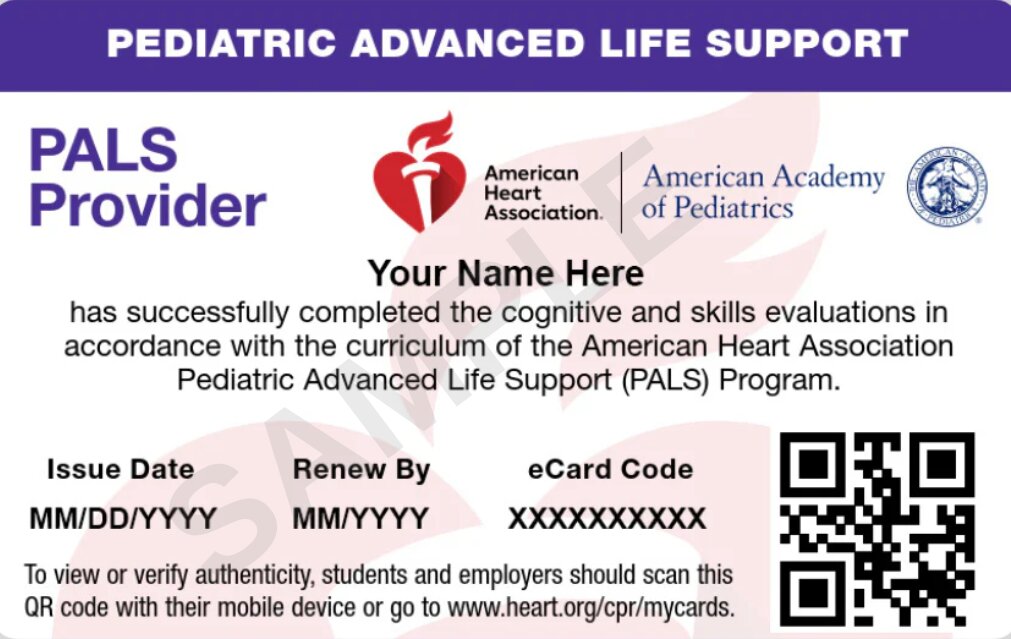
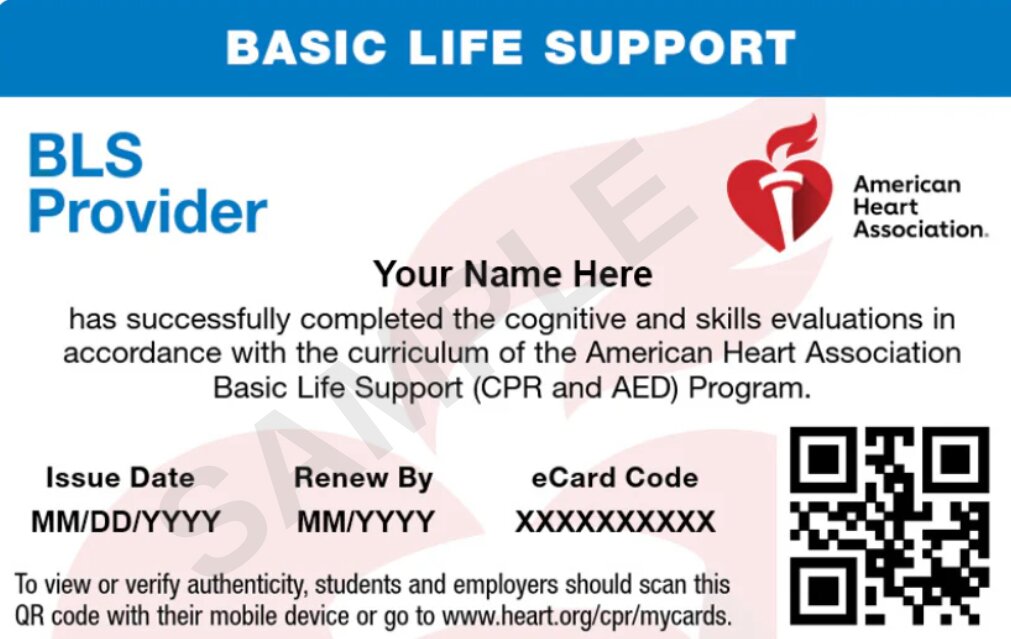
Ready to get certified? CPR Classes California, powered by CPR VAM, offers American Heart Association (AHA) CPR, BLS, ACLS, PALS, and First Aid courses through a convenient blended learning format. With more than 22 years of training excellence, self-guided skills sessions using innovative Voice-Assisted Manikins (VAMs), flexible scheduling, and same-day AHA digital certification cards after successful course completion, you’ll gain nationally recognized certification and the practical skills needed to respond confidently when every second counts.