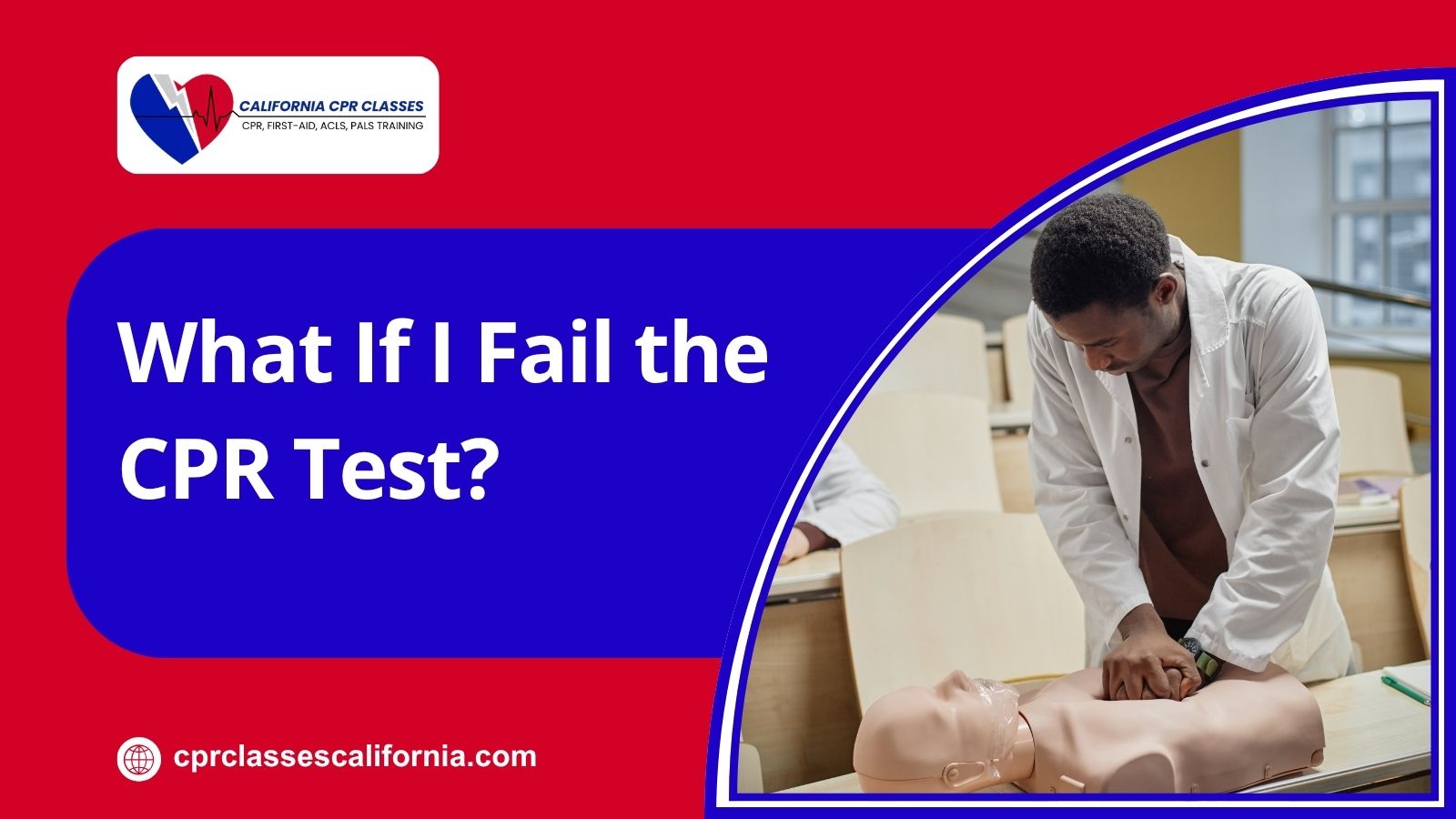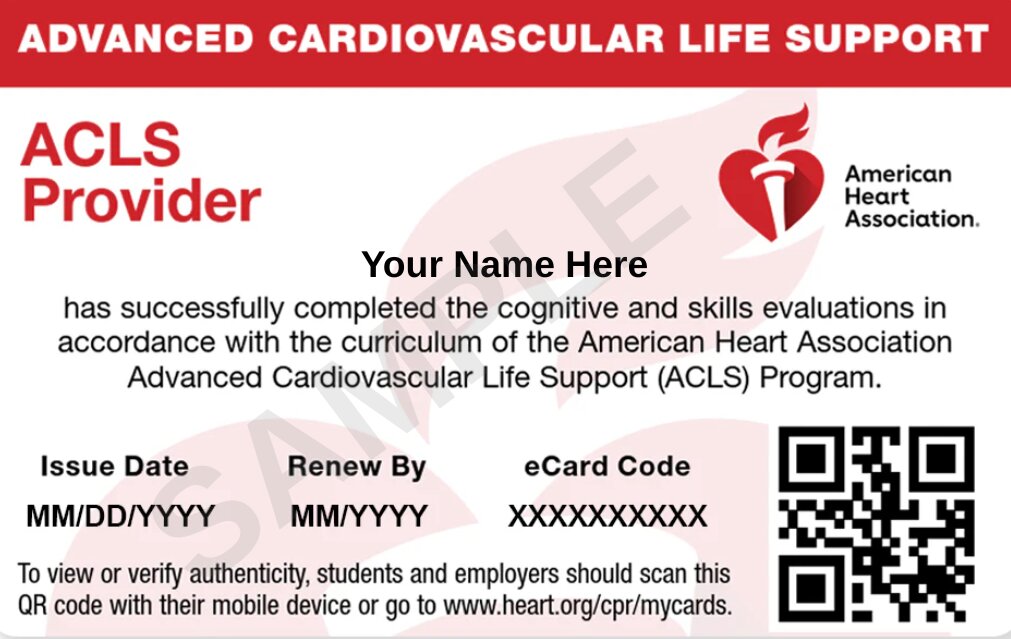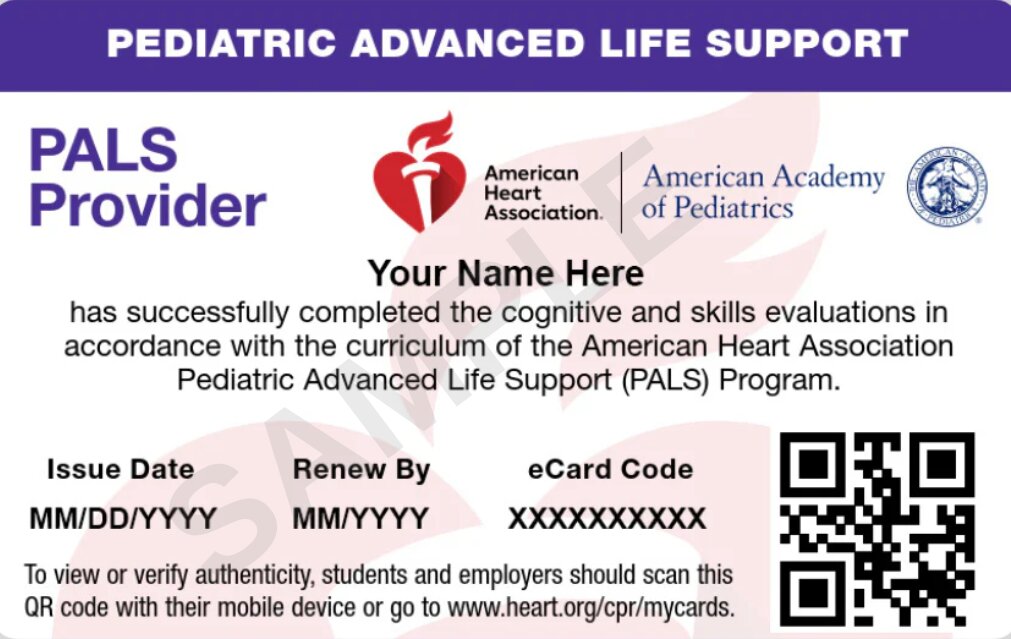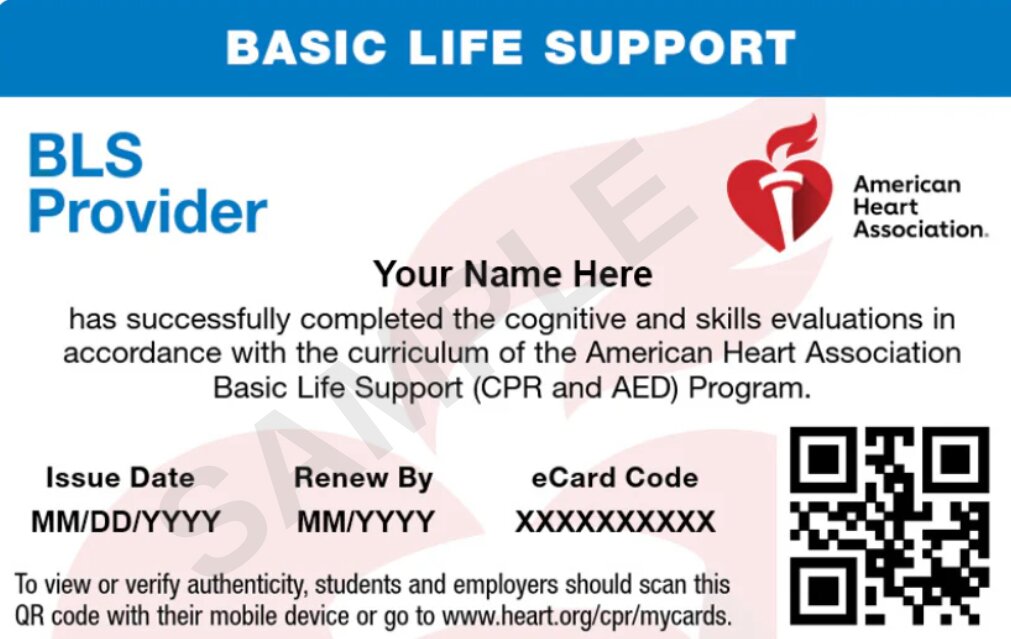
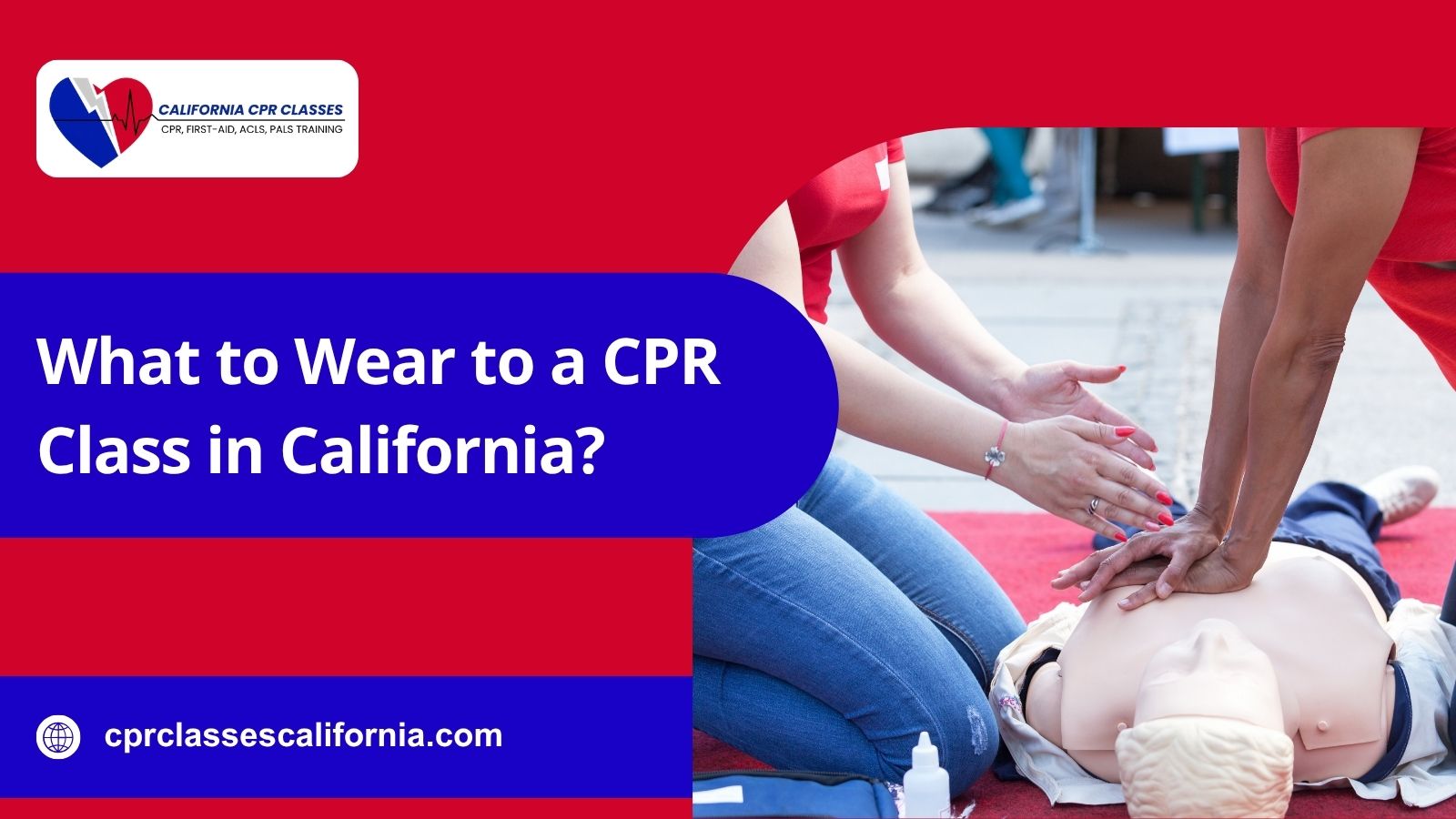
Choosing the right clothing for a CPR class in California helps you stay comfortable, move freely, and successfully complete the hands-on skills practice. During CPR training, participants spend time kneeling beside a manikin, performing chest compressions, practicing rescue breaths (if applicable), using an automated external defibrillator (AED), and learning how to respond to choking emergencies.
The best clothing for a CPR class is comfortable, modest, and allows unrestricted movement. Athletic wear, scrubs, jeans with a comfortable fit, leggings, polo shirts, T-shirts, and sneakers are all appropriate choices. Avoid restrictive clothing, high heels, flip-flops, or accessories that may interfere with CPR practice. Whether you are taking an American Heart Association (AHA) Heartsaver CPR, BLS, ACLS, or PALS course in California, dressing appropriately helps you participate confidently throughout the training.
In this guide, we’ll cover the best clothing options for CPR training, whether there is a dress code for CPR classes in California, what shoes and accessories to choose, what clothing can cause problems, and helpful tips to stay comfortable throughout your certification course.
Why Comfortable Clothing Matters During CPR Training
Comfortable clothing is important during CPR classes because the classes are designed to be interactive rather than lecture-based. Participants spend a significant portion of the class practicing skills that require bending, kneeling, lifting, and using proper body mechanics.
During a typical CPR certification class, you may:
- Perform continuous chest compressions on adult, child, and infant manikins
- Practice rescue breathing techniques (when applicable)
- Learn how to use an Automated External Defibrillator (AED)
- Demonstrate choking relief procedures
- Complete hands-on skills testing
These activities require unrestricted movement of your arms, shoulders, back, and knees. Tight or uncomfortable clothing can make practicing proper CPR technique more difficult and may distract you during the course. Therefore, comfortable clothes are important as they help reduce fatigue, allowing you to concentrate on mastering the skills needed to respond confidently in a real emergency.
Is There a Dress Code for CPR Classes in California?
Most CPR training providers in California do not enforce a strict dress code. Instead, they encourage participants to wear clothing that is clean, comfortable, and suitable for physical activity.
Whether you are taking an American Heart Association (AHA) or other nationally recognized CPR course, the expectations are generally the same:
- Wear clothing that allows you to kneel and move freely.
- Choose comfortable, closed-toe shoes.
- Dress appropriately for the classroom temperature.
- Avoid clothing that restricts movement during practical exercises.
Healthcare professionals attending CPR renewal courses often wear scrubs, while members of the general public typically wear casual clothing such as jeans, athletic wear, or business casual attire.
What Clothing Is Comfortable During Training Class?
The best clothing for a CPR training class is comfortable, breathable, and allows you to move freely. Since CPR certification involves hands-on practice, you’ll spend time kneeling on the floor, performing chest compressions, using an AED trainer, and practicing choking relief techniques. Wearing flexible clothing helps you complete these activities comfortably and maintain proper CPR form.
Whether you’re attending a CPR, BLS, PALS, or ACLS class in California, choose clothing that supports movement rather than restricts it.
Comfortable Shirts
Wear a shirt that allows full movement of your arms and shoulders, as chest compressions require repeated upper-body motion.
Good options include:
- T-shirts
- Polo shirts
- Athletic or moisture-wicking shirts
- Long-sleeve performance shirts
- Scrub tops
Avoid heavy sweaters or tight-fitting shirts that limit your range of motion.
Comfortable Pants
You’ll likely kneel beside CPR manikins for part of the class, so choose pants that allow you to bend and move comfortably.
Recommended options include:
- Athletic pants
- Joggers
- Stretch jeans
- Khakis
- Leggings
- Scrub pants
Flexible pants help you maintain the correct body position during CPR practice and reduce discomfort during extended training sessions.
Closed-Toe Shoes
Supportive, closed-toe shoes provide stability and comfort while practicing CPR skills.
Suitable footwear includes:
- Sneakers
- Athletic shoes
- Walking shoes
- Comfortable work shoes
Avoid high heels, flip-flops, sandals, or shoes with slippery soles, as they can make it difficult to kneel and perform chest compressions safely.
Choose Breathable Fabrics
Lightweight, breathable fabrics such as cotton or moisture-wicking athletic materials help keep you comfortable throughout the class, especially during repetitive physical activities. Dressing in layers is also a good idea if the training room is air-conditioned, allowing you to adjust to the temperature without restricting your movement.
What Clothing Can Bring Problems During CPR Classes?
While most CPR training centers don’t have a strict dress code, wearing the wrong clothing can make hands-on practice uncomfortable and limit your ability to perform CPR techniques correctly. Since you’ll spend time kneeling, bending, and performing chest compressions on training manikins, it’s best to avoid clothing that restricts movement or creates safety concerns.
Here are some clothing items that can cause problems during a CPR class:
- High heels: They make it difficult to kneel comfortably and move safely around the training area.
- Flip-flops or open-toe sandals: These offer little support and may increase the risk of slips or foot injuries during practical exercises.
- Tight dresses or skirts: Restrictive clothing can make it challenging to kneel, bend, or perform chest compressions with proper body positioning.
- Very tight jeans or restrictive pants: Clothing that limits flexibility can reduce your range of motion during hands-on CPR practice.
- Business suits or formal attire: While acceptable in some settings, formal clothing is often uncomfortable for the physical activities involved in CPR training.
- Loose or oversized clothing: Extremely baggy sleeves or oversized garments may interfere with your movements or become distracting during demonstrations.
Can You Wear Scrubs to a CPR Class?
Yes. Scrubs are one of the most practical choices for CPR training, especially for healthcare professionals.
Many participants attending PALS, ACLS, or BLS courses come directly from hospitals, clinics, dental offices, or emergency medical services and wear their work scrubs.
Benefits of wearing scrubs include:
- Comfortable fit
- Excellent flexibility
- Easy movement during hands-on practice
- Professional appearance
- Breathable material for long training sessions
If you are not a healthcare professional, there is no requirement to wear scrubs. Casual, comfortable clothing is equally appropriate.
Should You Wear Gloves?
No, you do not need to wear or bring your own gloves to a CPR class. Most CPR training providers supply any personal protective equipment (PPE) required for demonstrations or practical exercises.
During a CPR certification course, students typically practice chest compressions and rescue breathing techniques on training manikins that are regularly cleaned and sanitized. If the course includes infection control or first aid scenarios, the instructor will usually provide disposable gloves for those activities.
Accessories to Keep Minimal
Since CPR classes involve hands-on practice, it’s best to keep accessories to a minimum. During training, you’ll be kneeling beside manikins, performing chest compressions, and practicing emergency response techniques. Bulky or loose accessories can become uncomfortable or interfere with your movements.
Consider leaving these items at home or removing them before class:
- Large necklaces: They can get in the way while leaning over a training manikin.
- Long or dangling earrings: These may become distracting during hands-on activities.
- Multiple bracelets: Bracelets can restrict wrist movement and become uncomfortable while performing chest compressions.
- Bulky watches: Large watches may interfere with proper hand placement or limit wrist flexibility.
- Large rings: Oversized rings can cause discomfort during repeated chest compressions and may affect hand positioning.
- Oversized scarves or loose accessories: These can catch on equipment or make movement more difficult.
Other Tips for Staying Comfortable During Class
Preparing for your CPR class can help you stay comfortable and focus on learning essential lifesaving skills. Since CPR certification courses include hands-on practice, a few simple steps before class can make the experience more enjoyable and productive.
Here are some of the helpful tips that help you stay comfortable during CPR Class:
Dress in Layers
Many CPR training centers in California keep classrooms air-conditioned. Bringing a light jacket or sweatshirt allows you to adjust to the room temperature without affecting your comfort during training.
Stay Hydrated
Bring a reusable water bottle and drink water during scheduled breaks. Staying hydrated can help you remain alert and comfortable throughout the course.
Tie Back Long Hair
If you have long hair, secure it with a hair tie or clip before class. Keeping your hair out of your face makes it easier to concentrate while performing CPR techniques and using training equipment.
Arrive a Few Minutes Early
Getting to the training center early gives you time to check in, find your seat, and get familiar with the classroom before the course begins. Arriving without rushing helps you start the class relaxed and prepared.
Be Ready to Participate
CPR certification is a hands-on course, so expect to actively practice skills throughout the session. Wearing comfortable clothing and maintaining a positive attitude will help you fully engage in the training and build the confidence needed to respond during real-life emergencies.
Get Certified with a Trusted CPR Training Provider in California
Choosing the right clothing for a CPR class in California helps you stay comfortable, move freely, and fully participate in hands-on skills training. While most CPR training providers do not have a strict dress code, wearing breathable, flexible clothing, supportive closed-toe shoes, and keeping accessories to a minimum can make practicing chest compressions, AED use, and other lifesaving techniques much easier. Whether you’re attending a CPR, BLS, ACLS, or PALS course, dressing appropriately allows you to focus on learning essential emergency response skills and successfully completing your CPR certification with confidence.
Once you know how to prepare for class, the next step is choosing a trusted training provider. CPR Classes California is an American Heart Association (AHA)-approved training center offering CPR, BLS, ACLS, and PALS certification courses at convenient locations throughout California. Our hands-on training is designed to help you build the confidence and practical skills needed to respond effectively during emergencies. With same-day AHA certification cards, flexible scheduling, and a 99.99%+ pass rate, CPR Classes California makes earning or renewing your certification simple, convenient, and stress-free.