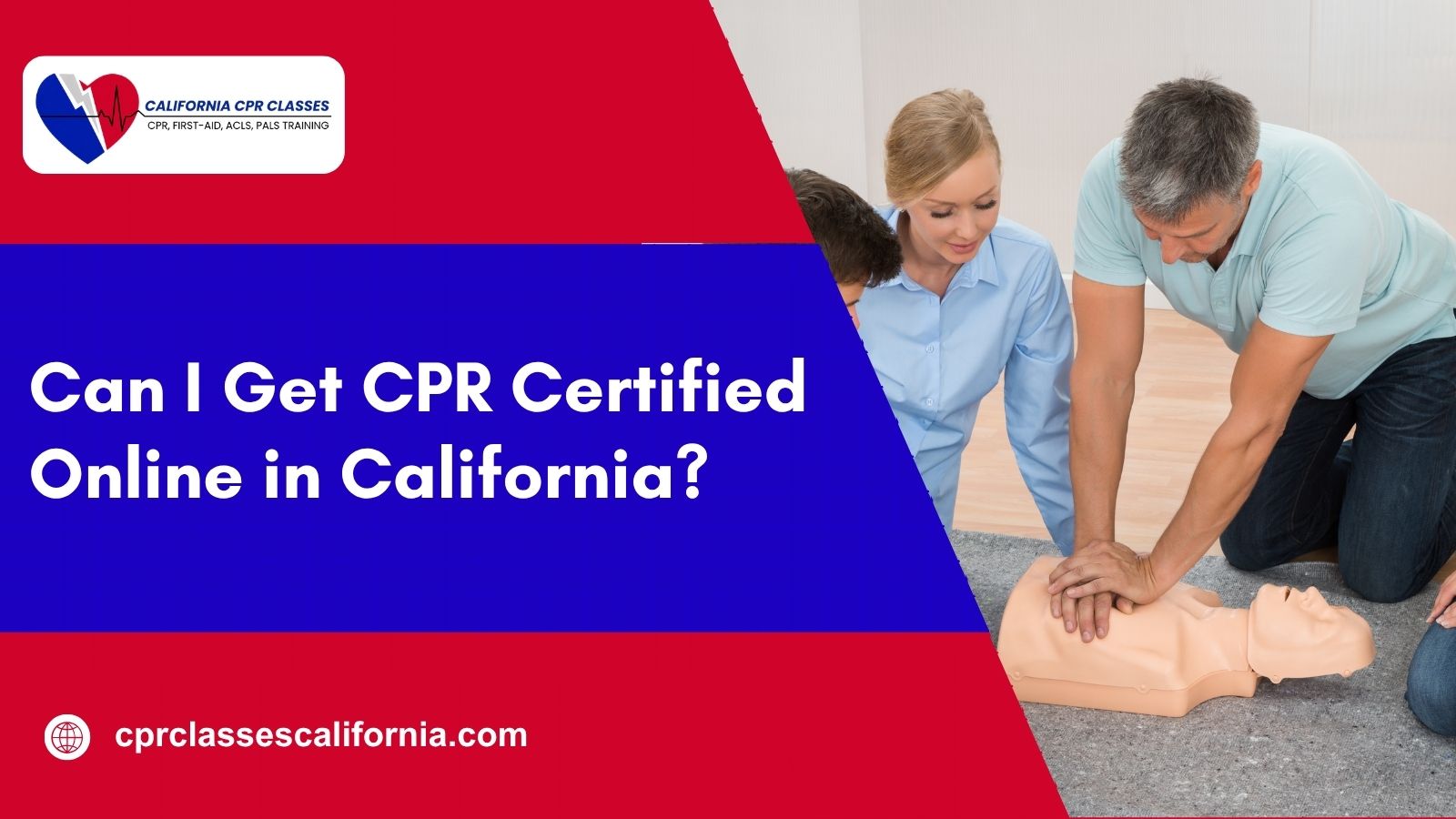
If you are searching for “Can I get CPR certified online in California?”, the answer is yes. Many California residents can complete CPR training online through approved programs that provide flexible learning options. However, whether an online CPR certificate meets your needs depends on why you need certification, such as employment, healthcare requirements, school programs, or personal knowledge.
Online CPR certification allows you to learn essential lifesaving skills, including cardiopulmonary resuscitation (CPR), automated external defibrillator (AED) use, choking response, and emergency care procedures from the convenience of your home. Some programs offer fully online training, while others combine online coursework with a hands-on skills evaluation. For many workplaces and healthcare-related positions, a blended CPR certification program with in-person skills training may be required because it allows students to demonstrate proper CPR techniques under instructor supervision.
In this blog, we will explain everything you need to know about getting CPR certified online in California, including certification validity, AHA CPR requirements, training formats, costs, enrollment steps, and why blended CPR training is often the best choice for professional acceptance.
Is Online CPR Certification Valid in California?
Yes, online CPR certification can be valid in California, but acceptance depends on the course format and your employer’s requirements. Fully online CPR certification without a hands-on skills assessment is not widely accepted for many professional and workplace requirements because it does not verify practical CPR skills.
A blended CPR certification program, which combines online learning with an in-person skills session, is more widely accepted because it allows students to complete coursework online while demonstrating CPR techniques, AED use, and emergency response skills. Before enrolling, check whether your employer or organization requires an AHA-aligned CPR certification with hands-on skills verification.
Can I Take AHA CPR Certification Online in California?
Yes, you can complete American Heart Association (AHA)-aligned CPR certification online in California through blended learning programs. However, AHA CPR certification is not offered as a fully online course because AHA training requires a hands-on skills evaluation to verify proper CPR performance.
With AHA blended learning, students complete the online education portion at their own pace and then attend a required skills session to demonstrate CPR techniques.
The online portion covers essential CPR topics, including:
- High-quality chest compressions
- AED operation
- Rescue breathing
- Choking response
- Emergency response procedures
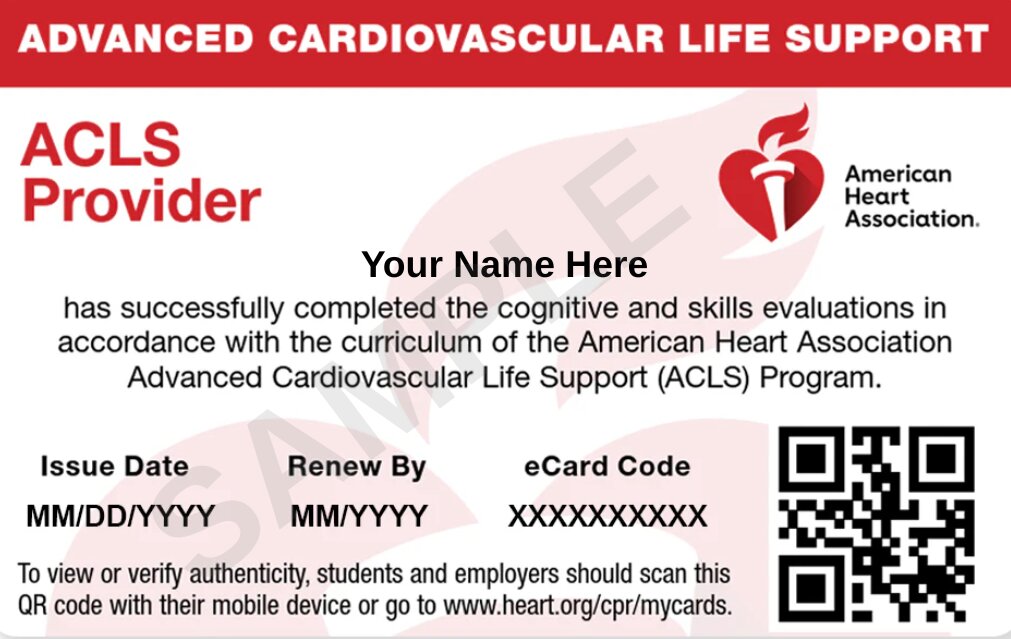
After completing the online coursework, students must successfully complete the hands-on skills evaluation to receive their AHA certification card.
Fully Online vs. In-Person vs. Blended CPR Training in California
When choosing CPR training in California, students can choose between fully online CPR courses, in-person CPR classes, and blended CPR certification programs. Each format has different benefits depending on your learning preference, schedule, and certification requirements.
| Feature | Fully Online CPR | In-Person CPR | Blended CPR |
| Online coursework | Yes | Limited | Yes |
| Hands-on skills training | No | Yes | Yes |
| Instructor guidance | Limited | Yes | During skills session |
| Flexible schedule | High | Lower | High |
| Skills verification | No | Yes | Yes |
| Widely accepted for professional requirements | Limited | Yes | Yes |
Fully Online CPR Training
A fully online CPR course allows students to complete the entire training process through an online platform without attending a hands-on skills session. These courses typically include videos, lessons, and online assessments covering CPR procedures, AED awareness, and emergency response.
The main advantage of fully online CPR training is convenience. Students can complete the course from anywhere and learn at their own pace. However, fully online CPR certification is not widely accepted for many workplace and professional requirements in California because it does not include hands-on skills verification.
In-Person CPR Training
In-person CPR classes provide traditional instructor-led training with hands-on practice during the course. Students attend a classroom session where they learn CPR techniques, practice on training manikins, and receive guidance from an instructor.
Benefits of in-person CPR training include:
- Direct instructor support
- Real-time feedback
- Hands-on CPR practice
- Opportunity to ask questions during training
This format is ideal for individuals who prefer face-to-face learning or want additional guidance while developing CPR skills.
Blended CPR Training
Blended CPR training combines the flexibility of online learning with the benefits of hands-on skills practice. Students complete the educational portion online and then attend an in-person skills session to demonstrate CPR techniques.
During the skills session, students practice:
- Chest compressions
- Rescue breathing
- AED operation
- Emergency response procedures
Blended CPR certification is more widely accepted for professional and workplace requirements in California because it verifies both CPR knowledge and practical skills.
Who Can Benefit From Online CPR Certification in California?
Online CPR certification provides a flexible way for individuals to learn essential lifesaving skills while meeting personal, educational, or professional goals. Depending on the certification format, online CPR training can benefit a wide range of people across California.
Here are some of the professionals who can benefit from CPR Certification in California:
Healthcare Professionals
Doctors, nurses, EMTs, medical assistants, dental professionals, and other healthcare workers often need CPR or Basic Life Support (BLS) credentials to meet workplace requirements. Many healthcare professionals choose blended CPR training because it combines online learning with hands-on skills verification.
Childcare Providers and Teachers
Childcare workers, daycare providers, teachers, and school employees benefit from CPR certification because they may need to respond to emergencies involving infants, children, or adults. CPR and First Aid training helps them prepare for situations such as choking, injuries, and sudden medical emergencies.
Workplace Employees
Many California businesses encourage or require employees to have CPR training as part of workplace safety programs. CPR-certified employees can provide immediate assistance during emergencies before professional responders arrive.
Fitness Professionals
Personal trainers, coaches, gym employees, and sports instructors can benefit from CPR/AED certification because physical activity settings may involve cardiac emergencies or sudden health conditions.
Parents and Caregivers
Parents, babysitters, and caregivers can learn valuable emergency response skills through online CPR training. CPR education helps them feel prepared to respond to infant, child, and adult emergencies at home or in community settings.
Individuals Seeking Personal Preparedness
Anyone who wants to learn lifesaving skills can benefit from CPR training. Online CPR courses provide convenient access to important knowledge about cardiac emergencies, AED use, and emergency response procedures.
How Long Does Online CPR Certification Take in California?
The time required to complete CPR certification in California depends on the course type, certification level, and training format. Fully online courses may allow students to complete the training at their own pace, while blended CPR certification requires additional time for the hands-on skills session.
Typical completion times include:
- CPR/AED certification: About 2–3 hours
- CPR and First Aid certification: About 4–6 hours
- BLS certification: About 3–4 hours
- ACLS and PALS credential: Varies based on course requirements and learner experience
For blended CPR certification, students complete the online learning portion first and then attend a hands-on skills session to demonstrate CPR techniques, AED use, and emergency response skills.
How to Enroll in an Accredited CPR Certification Course in California?
Enrolling in an accredited CPR certification course in California involves choosing the right training program, completing the required coursework, and meeting any hands-on skills requirements. The process may vary depending on whether you need CPR certification for personal knowledge, employment, healthcare requirements, or professional licensing.
Here are the steps to enroll in an accredited CPR certification course in California:
1. Determine Which CPR Certification You Need
Before enrolling, identify the type of CPR certification required for your goals:
- CPR/AED certification: Suitable for general workplace requirements and individuals who want basic lifesaving skills
- BLS certification: Commonly required for healthcare professionals such as nurses, EMTs, and medical staff
- ACLS certification: Designed for healthcare providers involved in advanced cardiovascular care
- PALS certification: Intended for healthcare professionals who respond to pediatric emergencies
- CPR and First Aid certification: Useful for childcare providers, teachers, and workplace employees
2. Choose an Accredited CPR Training Provider
Select a CPR training provider that offers recognized certification and meets your employer’s requirements. Many professionals choose American Heart Association (AHA)-aligned CPR courses because they follow updated emergency cardiovascular care guidelines.
When selecting a provider, consider:
- Certification acceptance
- Course format (online, in-person, or blended)
- Hands-on skills session availability
- Training locations and scheduling options
3. Complete the Online CPR Training Portion
For blended CPR certification, students complete the online learning portion before attending the skills session. The online coursework covers important topics such as:
- CPR techniques
- AED operation
- Emergency response procedures
- Choking response
- Cardiac arrest recognition
Students typically complete videos, interactive lessons, and knowledge assessments before moving to the skills evaluation.
4. Complete the Hands-On Skills Evaluation
If your course requires skills verification, you must complete a hands-on session where you demonstrate proper CPR techniques using training equipment.
During the skills session, students practice:
- Chest compressions
- Rescue breathing
- AED use
- Emergency response steps
This step is especially important for healthcare workers and professionals whose employers require proof of practical CPR skills.
5. Receive Your CPR Certification Card
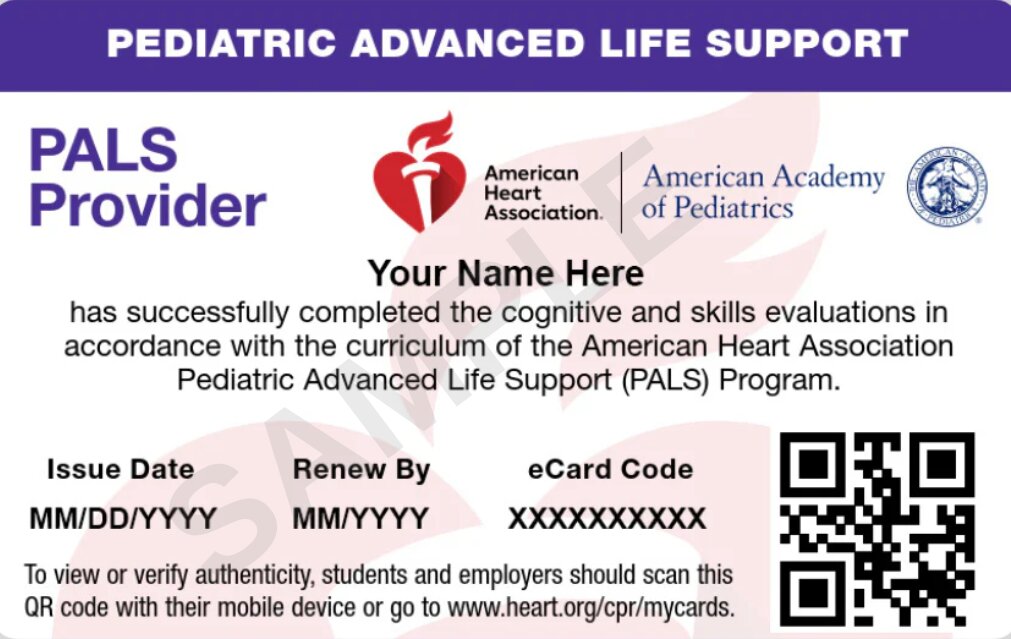
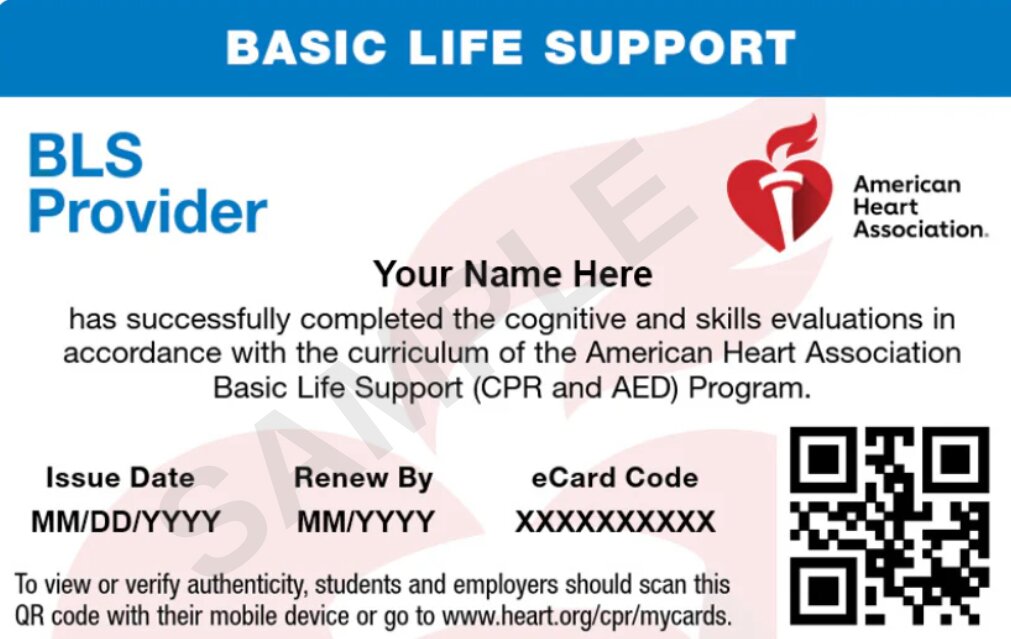
After successfully completing all course requirements, you receive your CPR certification card as proof of completion. Many recognized CPR programs provide a digital certification card that can be shared with employers or organizations.
How Much Does Online CPR Certification Cost in California?
The cost of CPR certification in California depends on the type of certification, training provider, course format, and whether hands-on skills training is included. Fully online CPR courses are often less expensive because they do not include a skills evaluation, while blended CPR certification programs may cost more because they combine online learning with hands-on training.
Average Blended CPR certification costs in California include:
| CPR Certification Type | Average Cost in California |
| Fully Online CPR Course | $10-$40 |
| Heartsaver CPR Certification | $50–$130 |
| BLS Certification for Healthcare Providers | $60–$130 |
| ACLS Certification | $150–$300 |
| PALS Certification | $150–$300 |
Why Choose a Blended CPR Certification Program in California?
Blended CPR training is often preferred because it provides both convenience and practical skill verification. Many employers, healthcare organizations, and professional programs require CPR certification that includes a hands-on skills evaluation.
Benefits of choosing a blended CPR certification program include:
- Flexible online learning: Complete the coursework from home and study at your own pace.
- Hands-on skills practice: Demonstrate chest compressions, rescue breathing, and AED use with training equipment.
- Greater acceptance: Blended CPR certification is more widely accepted for many workplace and professional requirements compared to fully online courses.
- Less classroom time: Finish the knowledge portion online and spend less time in traditional classroom training.
- Updated CPR guidelines: Learn current CPR procedures based on recognized training standards.
- Proof of practical skills: Receive certification after successfully completing both the online portion and skills evaluation.
Get CPR Certified Online in California With Hands-On Skills Training
Choosing the right CPR certification format depends on your goals and requirements. While fully online CPR courses offer convenience, they may not meet many professional requirements because they lack hands-on skills verification. A blended CPR certification program combines online learning with practical skills training, making it a preferred option for many employers and healthcare professionals. California CPR Classes offers AHA-aligned CPR, BLS, ACLS, PALS, Heartsaver CPR AED, and First Aid courses with flexible online learning and hands-on skills sessions to help you become confidently prepared for emergencies.
Once you choose the right CPR training format, selecting a trusted and experienced provider is the next important step. CPR Classes California is an American Heart Association (AHA)-authorized CPR training provider in California, offering CPR, BLS, ACLS, and PALS certification courses for healthcare professionals, businesses, and individuals. With over 20 years of experience in CPR education, we provide convenient and reliable training designed to help students develop essential lifesaving skills and earn the credentials needed for workplace and professional requirements.
Enroll today and get certified with a trusted CPR training provider in California.