When someone experiences sudden cardiac arrest, every second matters. Immediate cardiopulmonary resuscitation (CPR) can significantly increase the chances of survival by keeping oxygen-rich blood flowing to the brain and vital organs until emergency medical services (EMS) arrive. Despite this, many people hesitate to help because they worry about the legal consequences. A common question is: What happens if I perform CPR without certification in California? Could I be sued or accidentally cause harm?
The good news is that nothing is likely to happen to you if you perform CPR without certification in California, as long as you act in good faith. Causing unintended harm to the victim is generally considered far better than taking no action at all. Being sued is rare, and even if you are sued, the law will generally protect you. California law encourages bystanders to provide reasonable emergency assistance in good faith. While CPR certification is not legally required for most members of the public, certain professions and workplaces do require employees to maintain current CPR certification.
This guide explains what happens if you perform CPR without certification in California, when certification is required, how California’s Good Samaritan protections apply, and why CPR training remains one of the most valuable lifesaving skills you can learn.
Is CPR Certification Required to Perform CPR in California?
No. CPR certification is not legally required for most people to perform CPR during an emergency in California. If you witness someone experiencing cardiac arrest or another life-threatening medical emergency, you can provide CPR even if you have never completed a formal certification course.
Acting quickly is often the most important factor in improving a person’s chance of survival. When someone is in cardiac arrest, every minute without CPR or defibrillation reduces the likelihood of survival. That’s why emergency responders encourage bystanders to begin CPR immediately while someone else calls 911 and retrieves an automated external defibrillator (AED), if one is available.
What If You Perform CPR Incorrectly?
Many people hesitate to perform CPR because they are afraid of making a mistake or causing additional harm. While this concern is understandable, it’s important to remember that doing something is usually better than doing nothing when someone is in cardiac arrest. Without immediate CPR, oxygen-rich blood stops reaching the brain and other vital organs, significantly reducing the person’s chances of survival with every passing minute.
Some injuries can occur during CPR, even when it is performed correctly by trained professionals. These may include:
- Broken or fractured ribs
- Bruising to the chest
- Damage to rib cartilage
- Chest soreness after resuscitation
These injuries are generally considered an acceptable risk because the alternative, leaving cardiac arrest untreated, is far more dangerous. Effective chest compressions require enough force to circulate blood, which is why minor injuries are not uncommon during lifesaving efforts.
What Type of CPR Should You Perform as an Uncertified Bystander?
If you are not CPR certified, the recommended approach for most adults who suddenly collapse is hands-only CPR. This method focuses solely on continuous chest compressions without rescue breaths and is easy for untrained bystanders to perform. Taking immediate action can help keep oxygenated blood circulating to the brain and other vital organs until emergency medical services (EMS) arrive.
As an uncertified bystander, follow these basic steps:
- Call 911 immediately or ask someone nearby to contact emergency services.
- Check for responsiveness and normal breathing. If the person is unresponsive and not breathing normally, begin CPR.
- Perform hands-only CPR by pushing hard and fast in the center of the chest at a steady rhythm until help arrives.
- Use an Automated External Defibrillator (AED) if one is available. Modern AEDs provide clear voice instructions and are designed to be used by both trained and untrained individuals.
- Continue CPR until emergency responders take over or the person begins to show signs of life.
Hands-only CPR is recommended for most adult cardiac arrest emergencies because it is simple, effective, and easier for untrained rescuers to remember.
Note: There are situations where CPR with rescue breaths may be more appropriate, particularly for infants, children, drowning victims, or people whose cardiac arrest is caused by breathing problems. In these cases, formal CPR training can help you recognize the appropriate technique.
California Good Samaritan Law and CPR Protection
California’s Good Samaritan law is designed to encourage people to help during medical emergencies without worrying that they will automatically face legal consequences for trying to save someone’s life. If a person suffers cardiac arrest or another life-threatening emergency, immediate assistance from a bystander can provide critical support before emergency medical services arrive.
Protection for People Who Provide Emergency CPR
California generally provides legal protection to individuals who voluntarily provide emergency assistance, including CPR, when they act in good faith. This means an uncertified bystander who attempts to help someone during a medical emergency may still receive protection under the law.
For example, if someone collapses in a public place and a bystander calls 911 and begins chest compressions while waiting for paramedics, the person is generally acting within the purpose of Good Samaritan protections.
CPR Certification Is Not Required for Good Samaritan Protection
You do not need to be CPR certified to receive Good Samaritan protection when attempting to help during an emergency. The law recognizes that emergencies often happen unexpectedly and that many lifesaving actions are performed by ordinary people before trained professionals arrive.
An individual who has not completed a CPR course can still:
- Call emergency services
- Perform hands-only CPR
- Use an AED if available
- Follow instructions from a 911 dispatcher
The goal of these protections is to encourage people to take action instead of avoiding help because they lack formal medical training.
Protection Applies When You Act in Good Faith
Good Samaritan laws are intended to protect people who make a genuine effort to help another person. Acting in good faith means that your primary purpose is to provide assistance and not cause harm or receive a benefit.
A person providing CPR should:
- Act voluntarily during an emergency
- Provide reasonable assistance based on their knowledge and ability
- Follow emergency instructions when possible
- Avoid intentionally harmful actions
Making an honest mistake while attempting CPR is different from intentionally acting in a reckless or harmful way.
Good Samaritan Protection Has Limits
While California’s Good Samaritan laws provide important protections, they do not cover every situation. Legal protection may not apply if someone engages in gross negligence, intentional misconduct, or actions that go beyond a reasonable attempt to provide emergency assistance.
For example, a person who intentionally causes injury or behaves recklessly during an emergency may not receive the same legal protections as someone who is making a sincere effort to help.
CPR Injuries Do Not Automatically Mean Wrongdoing
CPR can sometimes cause injuries, such as broken ribs, bruising, or chest soreness, even when performed correctly by trained professionals. These injuries happen because effective chest compressions require significant force to circulate blood through the body.
The possibility of injury should not prevent bystanders from helping. In a cardiac arrest emergency, the risk of not receiving CPR is usually much greater than the risk of CPR-related injuries.
When Is CPR Certification Required in California?
For most people in California, CPR certification is not legally required to perform CPR during an emergency. A bystander does not need to complete a CPR course before helping someone who is experiencing cardiac arrest. However, certain jobs, professional licenses, and workplace requirements do require individuals to maintain a current CPR certification because their roles involve a higher responsibility for the safety of others.
Healthcare Professionals
Healthcare workers are among the most common groups required to maintain CPR certification in California. Professionals who provide direct patient care often need current CPR training as part of their employment or licensing requirements.
This may include:
- Doctors and nurses
- Emergency medical technicians (EMTs)
- Paramedics
- Medical assistants
- Dental professionals
- Other healthcare providers
Healthcare professionals are expected to respond quickly during medical emergencies, making CPR training an essential part of their job responsibilities.
Childcare Providers and Caregivers
People who care for infants and children are often required to have CPR certification because young children can experience emergencies that require immediate action.
This may apply to:
- Childcare center employees
- Babysitters working professionally
- Preschool staff
- Childcare providers operating licensed facilities
- Foster caregivers in certain situations
Training helps caregivers respond to choking incidents, breathing emergencies, and cardiac-related situations involving children and infants.
Teachers, School Staff, and Youth Program Workers
Some education and youth-related roles may require CPR certification to help ensure student safety. Schools, districts, and organizations may establish CPR training requirements based on job responsibilities.
Examples may include:
- Teachers in certain roles
- Coaches
- School athletic staff
- Camp counselors
- Youth program employees
Having CPR-trained staff available can help provide immediate assistance before emergency responders arrive.
Lifeguards, Fitness Professionals, and Safety-Related Jobs
Jobs where employees are responsible for public safety commonly require CPR certification. These positions involve situations where a medical emergency could occur without warning.
Examples include:
- Lifeguards
- Personal trainers
- Fitness instructors
- Sports coaches
- Security personnel
- Workplace safety employees
For these roles, CPR certification is often part of employment standards because quick action can make a significant difference during an emergency.
Workplace CPR Requirements
Some California employers require employees to maintain CPR certification even when state law does not specifically require it. Businesses may provide CPR training as part of workplace safety programs, especially in environments where employees may need to respond before emergency services arrive.
Employers may require CPR certification based on:
- Workplace hazards
- Industry standards
- Employee responsibilities
- Company safety policies
If your employer requires CPR certification, you will typically need to complete an approved course and renew it according to the certification provider’s guidelines.
What Happens If You Refuse to Perform CPR in California?
Many people wonder whether they can face legal consequences for not performing CPR during an emergency. In California, most people are not legally required to perform CPR if they witness someone experiencing cardiac arrest. Unlike certain professionals who have a duty to provide care, ordinary bystanders generally have no legal obligation to intervene.
However, while refusing to perform CPR is usually not a criminal offense for a bystander, choosing to help can provide a critical chance of survival. Cardiac arrest can become fatal within minutes, and immediate CPR can help maintain blood flow until emergency medical services (EMS) arrive.
Why CPR Certification Is Still Worth Getting
Although California does not require CPR certification for most members of the public, completing a CPR course gives you the knowledge and confidence to respond effectively during a medical emergency.
Certified training helps you:
- Recognize cardiac arrest quickly. Learn how to identify when someone needs CPR and distinguish cardiac arrest from other medical emergencies.
- Perform high-quality chest compressions. Proper hand placement, compression depth, and rhythm can improve the effectiveness of CPR.
- Learn rescue breathing techniques. While hands-only CPR is recommended for most untrained bystanders assisting adults, certification teaches when and how to provide rescue breaths, especially for infants, children, drowning victims, and people experiencing respiratory emergencies.
- Use an Automated External Defibrillator (AED). CPR courses include hands-on practice using an AED, which can significantly increase survival rates when used promptly during sudden cardiac arrest.
- Respond with greater confidence. Many people hesitate because they fear making a mistake. Training reduces uncertainty and prepares you to act quickly in a real emergency.
- Meet workplace requirements. Many employers require current CPR certification for positions in healthcare, childcare, education, fitness, public safety, and other industries.
CPR guidelines are updated periodically as medical research evolves, so maintaining a current certification helps ensure you are using the latest recommended techniques.
What Type of CPR Course Should You Take?
The right CPR course depends on your role, workplace requirements, and the type of emergencies you may encounter. While any CPR training can help you respond confidently during a medical emergency, choosing the appropriate course ensures you receive the skills and certification that best fit your needs.
Here are the CPR courses that you can take:
Heartsaver CPR AED
The Heartsaver CPR AED course is designed for the general public and employees who need CPR certification but are not healthcare professionals. It teaches adult CPR, AED use, choking relief, and may also include child and infant CPR, depending on the course option.
Best for:
- Parents and grandparents
- Teachers and school staff
- Childcare providers
- Coaches and camp counselors
- Workplace employees
- Anyone who wants to learn CPR
Basic Life Support (BLS)
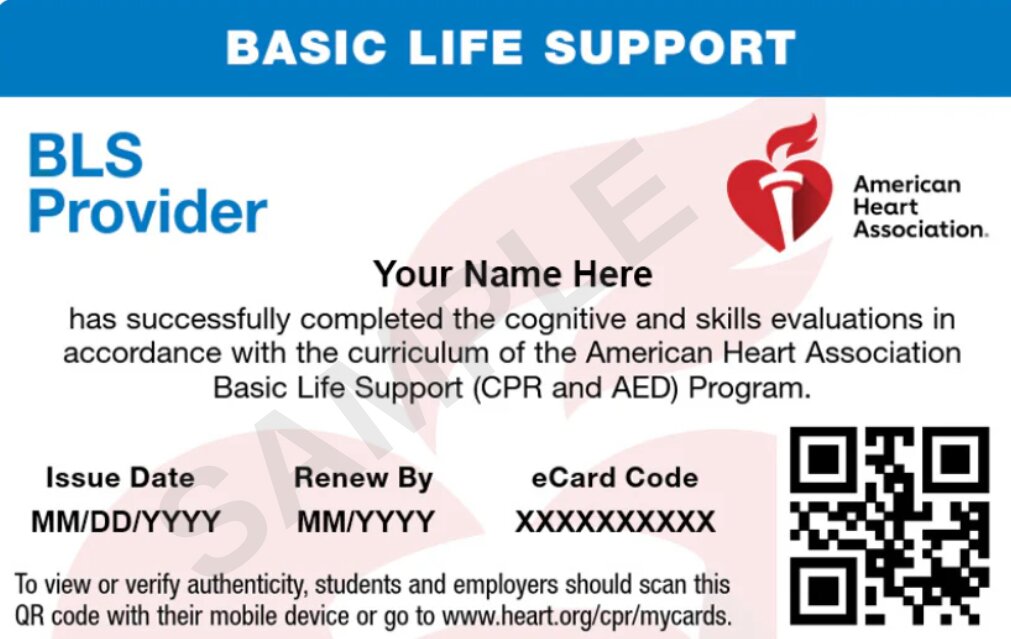
Basic Life Support (BLS) Course is intended for healthcare professionals and others who are expected to respond to medical emergencies as part of their job. In addition to high-quality CPR for adults, children, and infants, the course covers team-based resuscitation, rescue breathing, bag-mask ventilation, and AED use.
Best for:
- Physicians
- Nurses
- EMTs and paramedics
- Medical assistants
- Dental professionals
- Healthcare students
- Other licensed healthcare providers
Advanced Cardiovascular Life Support (ACLS)
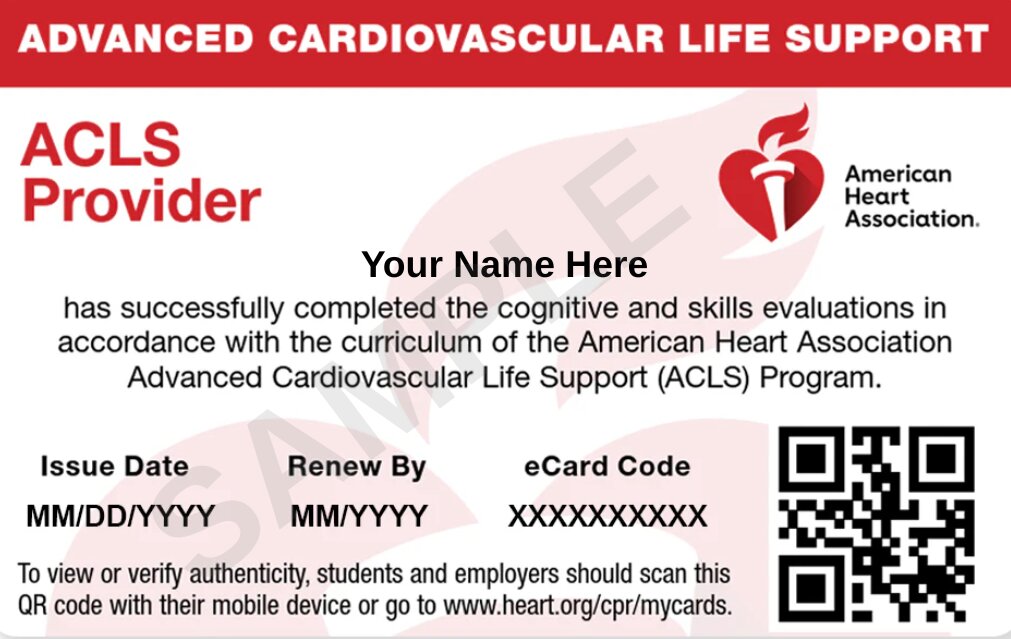
ACLS Course builds upon BLS skills and focuses on managing adult cardiovascular emergencies. Participants learn advanced airway management, ECG rhythm recognition, pharmacology, and coordinated team response during cardiac arrest and other life-threatening conditions.
Best for:
- Emergency physicians
- Critical care nurses
- Paramedics
- Respiratory therapists
- Healthcare professionals working in emergency or critical care settings
Pediatric Advanced Life Support (PALS)
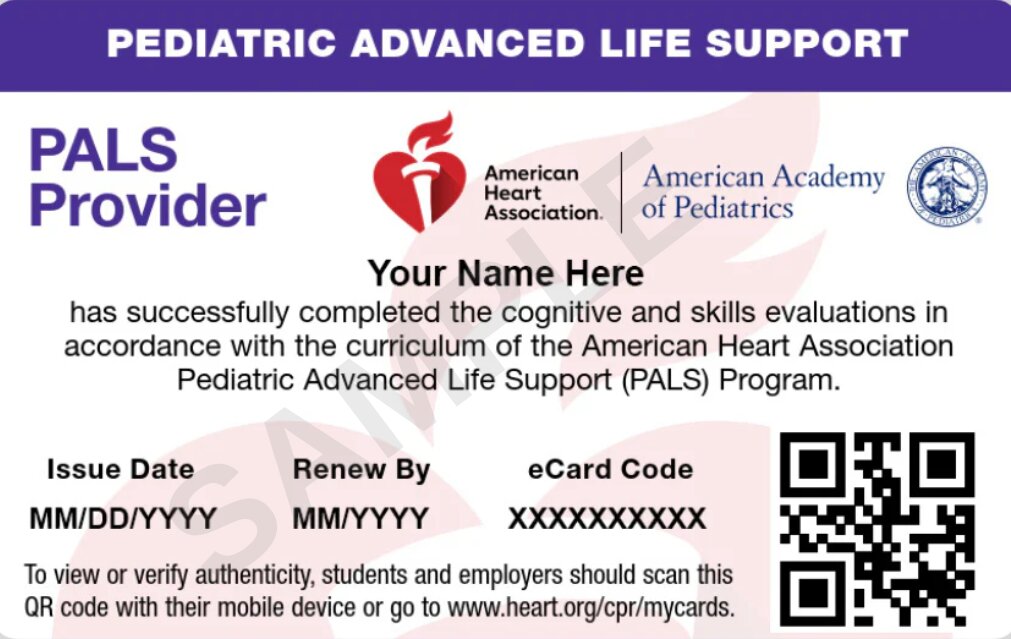
PALS prepares healthcare providers to recognize and manage life-threatening emergencies involving infants and children. The course emphasizes pediatric assessment, respiratory emergencies, cardiac arrest management, and effective team communication.
Best for:
- Pediatricians
- Pediatric nurses
- Emergency department staff
- EMS personnel
- Healthcare professionals who regularly care for infants and children
Get CPR Certified with California CPR Classes
You do not need CPR certification Classes to perform CPR during an emergency in California, and the law generally protects people who voluntarily provide reasonable assistance in good faith. Taking immediate action by calling 911, performing hands-only CPR, and using an AED if one is available can significantly improve a person’s chances of survival while waiting for emergency responders. Although certification is not required for most bystanders, completing a CPR course provides valuable hands-on training, builds confidence, and teaches the latest lifesaving techniques, making you better prepared to respond effectively when every second counts.
Whether you’re pursuing certification for your career or simply want to be prepared to help during an emergency, receiving formal CPR training is a worthwhile investment. California CPR Classes provides American Heart Association (AHA)-aligned courses, including BLS, ACLS, PALS, Heartsaver CPR AED, and First Aid, with convenient scheduling and hands-on instruction. After successfully completing your course, you’ll earn an official AHA eCard and the practical skills needed to respond confidently when someone’s life depends on immediate action.