If you’re planning to babysit in California, you may be wondering whether CPR certification is required before caring for children. The answer is no; California does not legally require private babysitters to hold CPR certification. However, many parents prefer or even require babysitters who have completed CPR and First Aid training because it demonstrates that they can respond confidently during medical emergencies.
Children can experience unexpected emergencies such as choking, allergic reactions, breathing difficulties, or sudden cardiac arrest, and knowing how to respond during those critical first few minutes can make a significant difference. A CPR-certified babysitter is trained to recognize life-threatening situations, perform age-appropriate CPR, relieve choking, and provide basic first aid until emergency medical services arrive. These lifesaving skills can give parents greater peace of mind while helping babysitters stand out in a competitive job market.
In this guide, we’ll explain why many parents prefer CPR-certified caregivers, the benefits of becoming certified, the type of CPR training babysitters should choose, how to get certified, how long certification lasts, and where you can complete CPR certification in California.
Why do Parents Prefer Babysitters with CPR Certification?
When parents leave their children in someone else’s care, they want reassurance that the babysitter can handle unexpected situations. While accidents are uncommon, knowing your babysitter has emergency response training offers valuable peace of mind.
Parents often prefer CPR-certified babysitters because they can:
- Respond quickly if a child stops breathing.
- Perform age-appropriate CPR on infants or children.
- Help a choking child using proper techniques.
- Recognize signs of medical emergencies.
- Provide basic first aid until emergency responders arrive.
For families with infants, toddlers, or children with allergies or medical conditions, CPR certification is often considered a significant advantage during the hiring process.
What Are the Benefits of CPR Certification for Babysitters?
Earning a CPR certification offers far more than an additional credential on your babysitting profile. It equips you with essential lifesaving skills, increases your confidence in handling emergencies, and reassures parents that their children are in capable hands.
Here are some of the key benefits of CPR certification for babysitters:
1. Enhances Child Safety
The primary benefit of CPR certification is the ability to respond effectively during medical emergencies. Whether a child is choking, having difficulty breathing, or becomes unresponsive, CPR training teaches you how to provide immediate care until emergency medical professionals arrive. Quick action can make a critical difference in protecting a child’s health and safety.
2. Builds Parents’ Trust
Parents naturally want caregivers who are prepared for unexpected situations. A current CPR certification demonstrates that you have taken the initiative to learn emergency response skills and are committed to providing a safe environment. This added qualification can help families feel more confident when choosing you as their babysitter.
3. Increases Job Opportunities
Many parents, nanny agencies, and childcare employers prefer or require babysitters with CPR and First Aid certification. Including this credential on your resume or babysitting profile can help you stand out from other applicants and qualify for more childcare positions.
4. Improves Confidence During Emergencies
Emergencies can be stressful, especially when caring for young children. CPR training helps you remain calm, assess the situation, and take the appropriate steps instead of reacting out of panic. This confidence can lead to faster and more effective responses during critical moments.
5. Supports First Aid Knowledge
Many CPR certification courses also include First Aid training, allowing babysitters to manage common childhood injuries such as cuts, burns, nosebleeds, sprains, insect bites, and allergic reactions. These practical skills are valuable for handling everyday incidents as well as more serious emergencies.
6. May Increase Earning Potential
Parents often recognize the value of a CPR-certified babysitter and may be willing to pay higher hourly rates for someone with additional safety training. Certification can also lead to more referrals and repeat clients, helping you grow your babysitting business.
7. Demonstrates Professionalism
Completing CPR certification shows that you take your role as a caregiver seriously. It reflects responsibility, preparedness, and a commitment to maintaining high standards of child care. These qualities can strengthen your reputation and encourage parents to recommend your services to others.
8. Prepares You for a Career in Childcare
If you plan to become a nanny, daycare provider, preschool teacher, or childcare professional, CPR certification is an excellent investment. Many childcare employers require current CPR and First Aid certification, making it a valuable credential for future career opportunities.
What CPR Certification Should Babysitters Get?
Babysitters should choose a CPR certification course that prepares them to respond to emergencies involving infants and children, as their CPR techniques differ from those used for adults.
The best CPR certification for babysitters typically includes:
- Infant CPR: Learn how to perform CPR on babies under one year of age using age-appropriate compression and rescue breathing techniques.
- Child CPR: Understand the correct CPR procedures for children from one year old until puberty.
- Adult CPR: Since babysitters may also care for older family members or need to assist another adult during an emergency, adult CPR training is a valuable addition.
- Choking Relief: Learn how to help infants, children, and adults who are choking using the appropriate techniques for each age group.
- AED Training: Gain hands-on experience using an Automated External Defibrillator (AED), a device that can help restore a normal heart rhythm during sudden cardiac arrest.
- Basic First Aid: Many CPR courses also cover treating common injuries such as cuts, burns, allergic reactions, nosebleeds, and minor fractures until professional medical help arrives.
When selecting a course, it’s important to choose one offered by a recognized training provider that follows the latest evidence-based CPR guidelines. Many families, childcare employers, schools, and daycare facilities prefer certifications from nationally recognized organizations because they meet widely accepted training standards.
Additional Skills That Make Babysitters More Employable
While CPR certification is a valuable credential, developing additional childcare skills can make you a more competitive babysitter and increase parents’ confidence in your abilities.
Some of the most valuable skills include:
- First Aid certification to handle common injuries and medical emergencies.
- Infant and toddler care skills, including feeding, diaper changing, and safe sleep practices.
- Child development knowledge to understand age-appropriate activities and behaviors.
- Effective communication with parents and children.
- Problem-solving skills to stay calm and make good decisions during unexpected situations.
- Activity planning to keep children engaged with safe and educational games.
- Reliability and professionalism, including punctuality, responsibility, and following parents’ instructions.
Combining CPR certification with these skills can help you stand out, build trust with families, and improve your babysitting opportunities.
How can babysitters get CPR certified?
Getting CPR certified is a simple process that helps babysitters gain the skills needed to respond to emergencies involving infants and children. Most certification courses can be completed in a few hours and include both training and practical skill demonstrations.
To become CPR certified, babysitters can follow these steps:
1. Choose a CPR Certification Course
Look for a reputable CPR training provider that offers pediatric CPR and First Aid certification. The course should include training for:
- Infant CPR
- Child CPR
- Adult CPR
- Choking response
- Basic First Aid
- Emergency procedures
2. Complete CPR Training
CPR courses typically include lessons on recognizing emergencies, performing chest compressions, assisting choking victims, and responding effectively until professional help arrives.
3. Practice Hands-On Skills
Many CPR programs include hands-on practice with training mannequins. This practical experience helps babysitters build confidence and perform CPR techniques correctly.
4. Pass the Skills Assessment
After completing the required training, participants may need to demonstrate their CPR and First Aid skills before receiving certification.
5. Receive CPR Certification
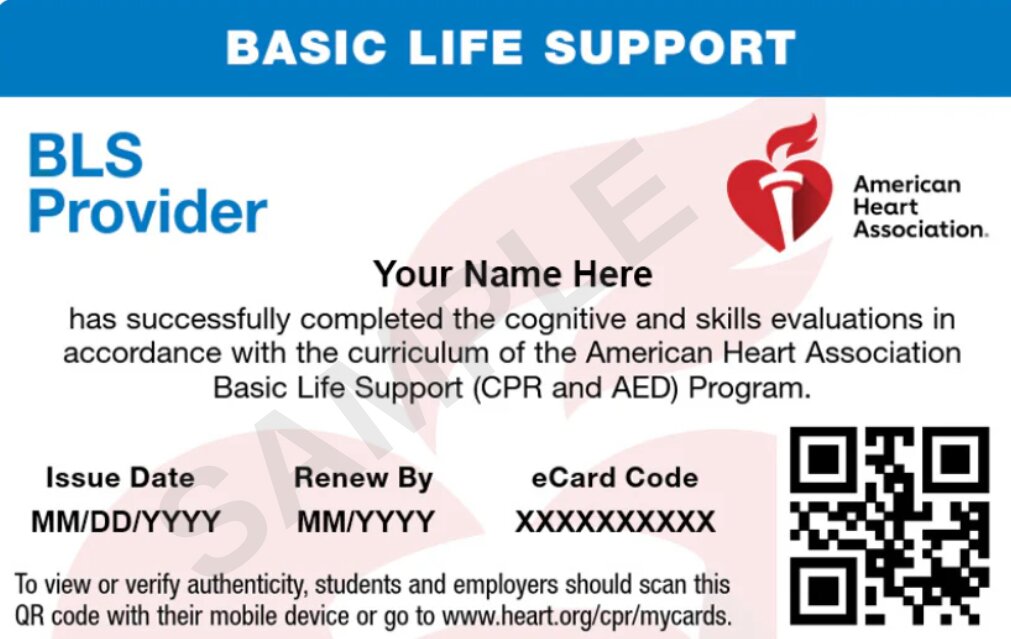
Once the course requirements are completed, babysitters receive a CPR certification card or certificate that can be shared with parents or added to a babysitting profile.
How long does CPR certification for babysitters last?
Most CPR certifications for babysitters are valid for two years from the date of completion. After this period, babysitters need to renew their certification to keep their skills updated and maintain a current credential.
Renewing your CPR certification helps you stay familiar with the latest emergency response techniques, including infant CPR, child CPR, choking response, and First Aid procedures. Keeping an active CPR certification also shows parents that you are committed to child safety and prepared to handle emergencies while providing care.
Prepare to Babysit With Confidence
While CPR certification is not legally required for most private babysitters in California, it is a valuable qualification that can improve your skills, increase parents’ trust, and help you respond effectively during emergencies. By combining CPR and First Aid training with strong childcare skills, communication, and reliability, you can become a more confident and dependable babysitter. Investing in CPR certification not only enhances your professional opportunities but also helps create a safer environment for the children in your care.
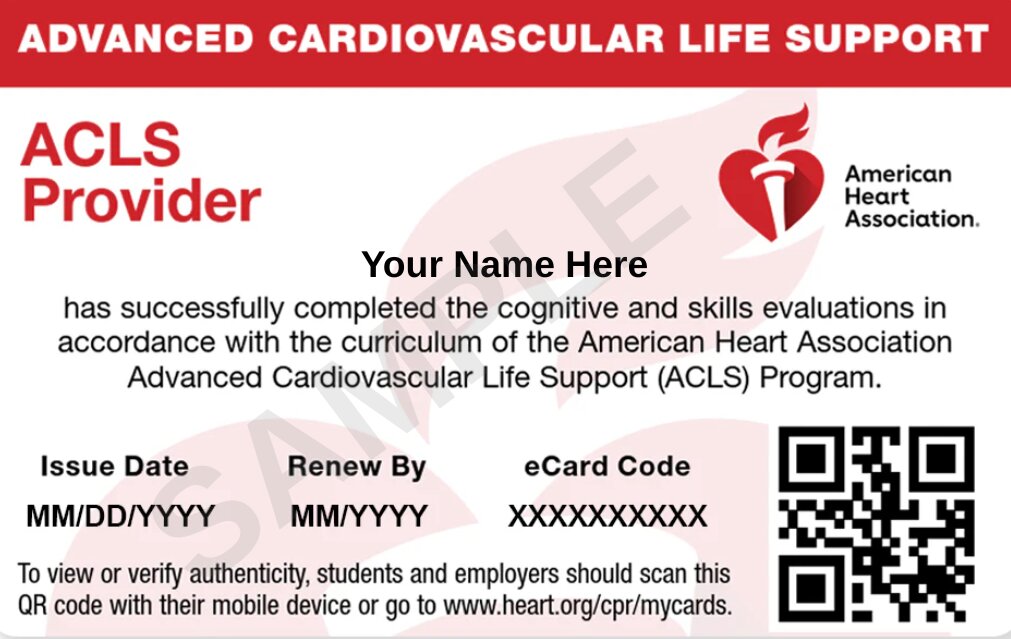
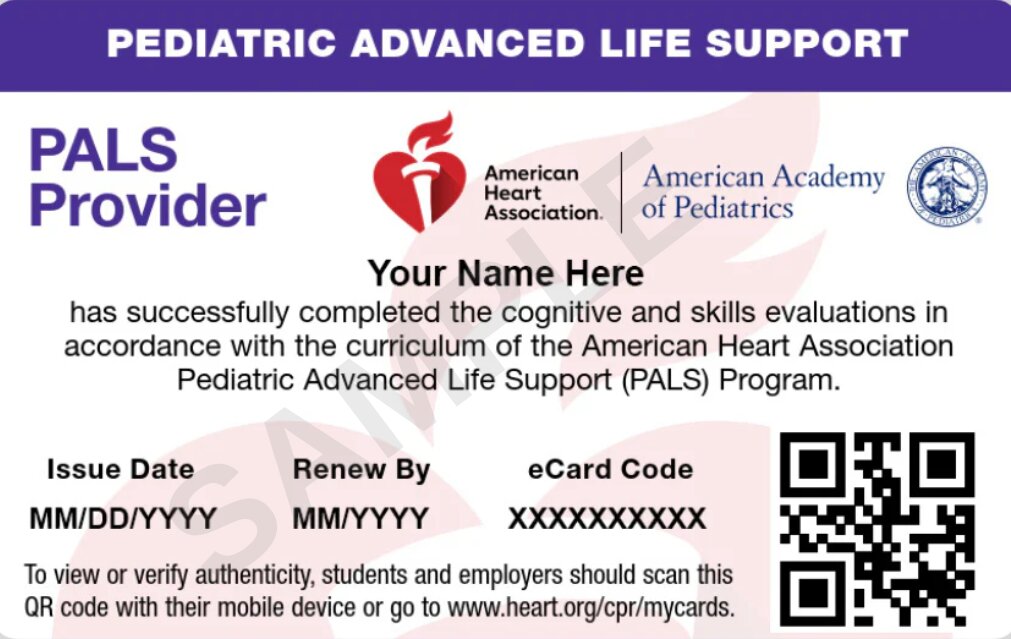
For reliable and professional CPR training, CPR Classes California offers American Heart Association (AHA)-certified courses designed to meet the needs of both the general public and healthcare professionals. Their training options include BLS certification for healthcare providers and individuals seeking advanced CPR skills, ACLS certification for healthcare professionals who respond to cardiovascular emergencies, and PALS certification for professionals involved in pediatric emergency care. With expert instruction and evidence-based training, CPR Classes California helps individuals gain the confidence and skills needed to respond effectively during critical situations.