CPR (Cardiopulmonary Resuscitation) is a critical emergency response skill that can help save lives during cardiac arrest and other life-threatening situations. Because of the importance of early intervention, many students, parents, and educators wonder whether CPR training is required before completing high school. As CPR education becomes more common in schools and career preparation programs, questions about graduation requirements continue to grow.
In California, high school graduation requirements are primarily focused on completing required academic coursework established by the state and local school districts. While some schools provide CPR instruction through health education classes, career programs, or community partnerships, many students are unsure whether CPR certification is a mandatory requirement for earning a diploma or continuing their education after graduation.
This blog explains whether CPR is a graduation requirement in California, what California law says about CPR education in schools, and why some schools choose to teach CPR skills. It also covers whether colleges require CPR certification, the benefits of getting certified before graduation, and how California students can complete CPR training to gain valuable lifesaving skills.
What Are the High School Graduation Requirements in California?
California high school students must complete specific academic requirements established by the state and their local school districts to earn a diploma. The California Department of Education sets minimum course requirements, while individual districts may add additional graduation requirements.
The state’s minimum high school graduation requirements generally include completing courses in subjects such as:
- English: Three years of English language arts instruction
- Mathematics: At least two years, including algebra or equivalent coursework
- Science: At least two years of science courses, including biological and physical sciences
- Social Studies: Three years, including world history, U.S. history, government, and economics
- Visual or Performing Arts or Foreign Language: One year
- Physical Education: Two years
Schools may also require additional classes, community service hours, career preparation courses, or other district-specific requirements. While health education is offered in many California schools, CPR certification is not included as one of the mandatory statewide graduation requirements.
What Does California Law Say About CPR Education in Schools?
Under California Education Code § 51225.6, if a school district or charter school requires a health education course for high school graduation, then that health course must include instruction in compression-only CPR. This requirement has been in effect since the 2018–19 school year.
The law specifies that the instruction must include:
- An instructional program based on national, evidence-based CPR guidelines, such as those from the American Heart Association or the American Red Cross.
- Hands-on (psychomotor) practice so students learn the physical skills needed to perform compression-only CPR.
In addition, the law:
- Encourages schools to provide information about automated external defibrillators (AEDs), although an AED does not have to be present during instruction.
- Does not require schools to purchase CPR equipment or AEDs to comply.
- Provides certain liability protections for organizations and public employees that provide or facilitate the instruction, except in cases of gross negligence or willful misconduct.
One important limitation is that California does not require every high school student to receive CPR instruction. The mandate applies only to districts and charter schools that make health education a graduation requirement. If a school does not require a health course for graduation, this CPR instruction requirement does not apply.
Why Do Some California Schools Teach CPR?
Many California schools teach CPR because it is a practical skill that can help students respond during emergencies. Cardiac emergencies can happen anywhere, including schools, homes, workplaces, and public places, making CPR knowledge valuable for everyone.
Schools may provide CPR training for several reasons:
CPR Saves Lives During Cardiac Emergencies
When someone experiences cardiac arrest, immediate CPR can help maintain blood circulation until professional medical help arrives. Students who know CPR may be able to provide critical assistance during an emergency.
CPR Supports Student Safety and Preparedness
Schools are responsible for creating safe learning environments. Teaching CPR helps students, teachers, and staff become better prepared to handle unexpected medical situations.
CPR Benefits Future Career Paths
Many careers require CPR certification or emergency response training. Schools may offer CPR courses to help students prepare for professions such as:
- Healthcare
- Nursing
- Emergency medical services
- Education
- Childcare
- Fitness and recreation
- Public safety
CPR Meets Community Health Goals
Training more people in CPR increases the number of potential first responders within a community. Schools that provide CPR education help create a more prepared and safety-conscious population.
Do Colleges Require CPR Certification in California?
Generally, colleges in California do not require CPR certification for admission or general enrollment. Students applying to most universities and community colleges are not required to complete CPR training as part of the application process or as a condition for graduation.
However, some specific college programs may require CPR certification before students can participate in hands-on training, internships, or clinical experiences. This is especially common in programs where students work directly with patients, children, athletes, or the public.
Is CPR Certification Worth Getting Before Graduation?
Yes, CPR certification can be worth getting before graduation, even though it is not a mandatory requirement for most California high school students. Completing CPR training before graduating can give students a practical lifesaving skill, improve career opportunities, and help them prepare for future education or employment.
CPR certification can also benefit students in several other ways:
Improves Job Opportunities
Many employers prefer or require CPR-certified applicants for positions involving children, healthcare, fitness, or public interaction. Having a CPR certificate can make a student’s resume stand out when applying for part-time jobs, internships, or volunteer opportunities.
Supports Future Career Goals
Students planning careers in healthcare, education, childcare, sports, or public safety may need CPR certification later. Completing training before graduation can help them meet future requirements and start building professional skills early.
Helps With College Programs
Although most California colleges do not require CPR certification for admission, certain programs may require it before students begin clinical work, internships, or field experiences. Having certification already completed can make the transition into these programs easier.
Builds Confidence and Responsibility
CPR training teaches students how to stay calm, assess emergency situations, and take action when someone needs help. These skills can be valuable both personally and professionally.
Provides a Long-Term Lifesaving Skill
CPR is a skill that can be used anywhere, at home, school, work, or in the community. A certified student may be able to assist family members, friends, coworkers, or strangers during a life-threatening emergency.
How Can California Students Get CPR Certified?
California students can get CPR certified through schools, community training programs, healthcare organizations, and recognized CPR training providers. Although CPR certification is not required for most students to graduate high school in California, completing a CPR course can help students develop important emergency response skills and prepare for future career opportunities.
Students can follow these steps to earn CPR certification:
1. Find a CPR Certification Course
Students can begin by looking for CPR classes offered through:
- High schools and school districts
- Community education programs
- Healthcare training centers
- Local emergency response organizations
- Certified CPR training providers
Many schools partner with training organizations to provide CPR and first aid courses directly to students.
2. Choose the Right CPR Course
The best CPR course depends on the student’s goals. Common options include:
- Basic CPR and AED training: Suitable for students who want general lifesaving skills.
- Adult, Child, and Infant CPR training: Helpful for students interested in childcare, education, or family-related careers.
- Healthcare Provider CPR certification: Often recommended or required for students pursuing healthcare careers such as nursing or medical assisting.
- CPR and First Aid certification: Provides broader emergency response training.
3. Complete the Training Requirements
Most CPR certification courses include:
- Learning CPR techniques
- Understanding emergency response steps
- Practicing chest compressions and rescue breathing
- Learning how to use an AED
- Completing a skills demonstration or assessment
Some courses may include online learning combined with an in-person practice session.
4. Receive CPR Certification
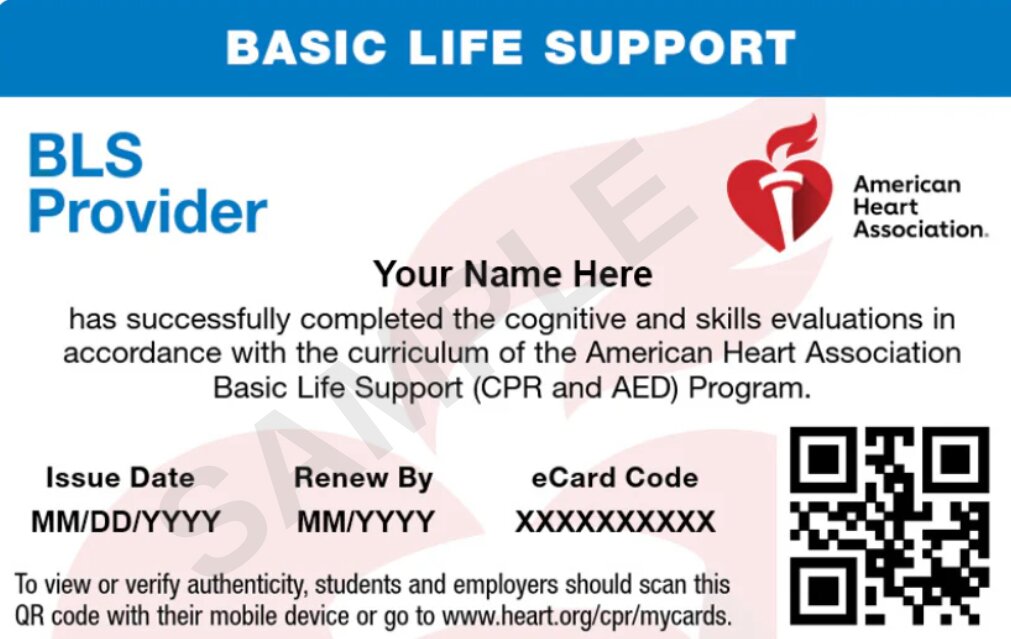
After successfully completing the course, students receive a CPR certification card or certificate. Certification periods vary by provider, but many CPR certifications are valid for about two years before renewal is needed.
Prepare for the Future With CPR Certification
CPR certification is not a statewide graduation requirement for high school students in California, but it remains a valuable skill that can benefit students beyond the classroom. While California law requires compression-only CPR instruction in certain health education courses, individual school policies determine whether students receive this training. Learning CPR before graduation can help students become better prepared for emergencies, strengthen career opportunities, and support future education in fields such as healthcare, education, and public safety. Whether required or not, CPR certification is a practical investment that provides lifelong skills and the confidence to respond when someone’s life may depend on quick action.
Students who want to gain confidence in emergency response can enroll in CPR classes California offers through experienced training programs. With decades of experience training students, professionals, and community members, CPR Classes California has built a reputation for providing reliable, high-quality CPR and first aid education. Join a CPR training course today to learn essential life-saving techniques, earn your certification, and gain the confidence to respond effectively when an emergency happens.