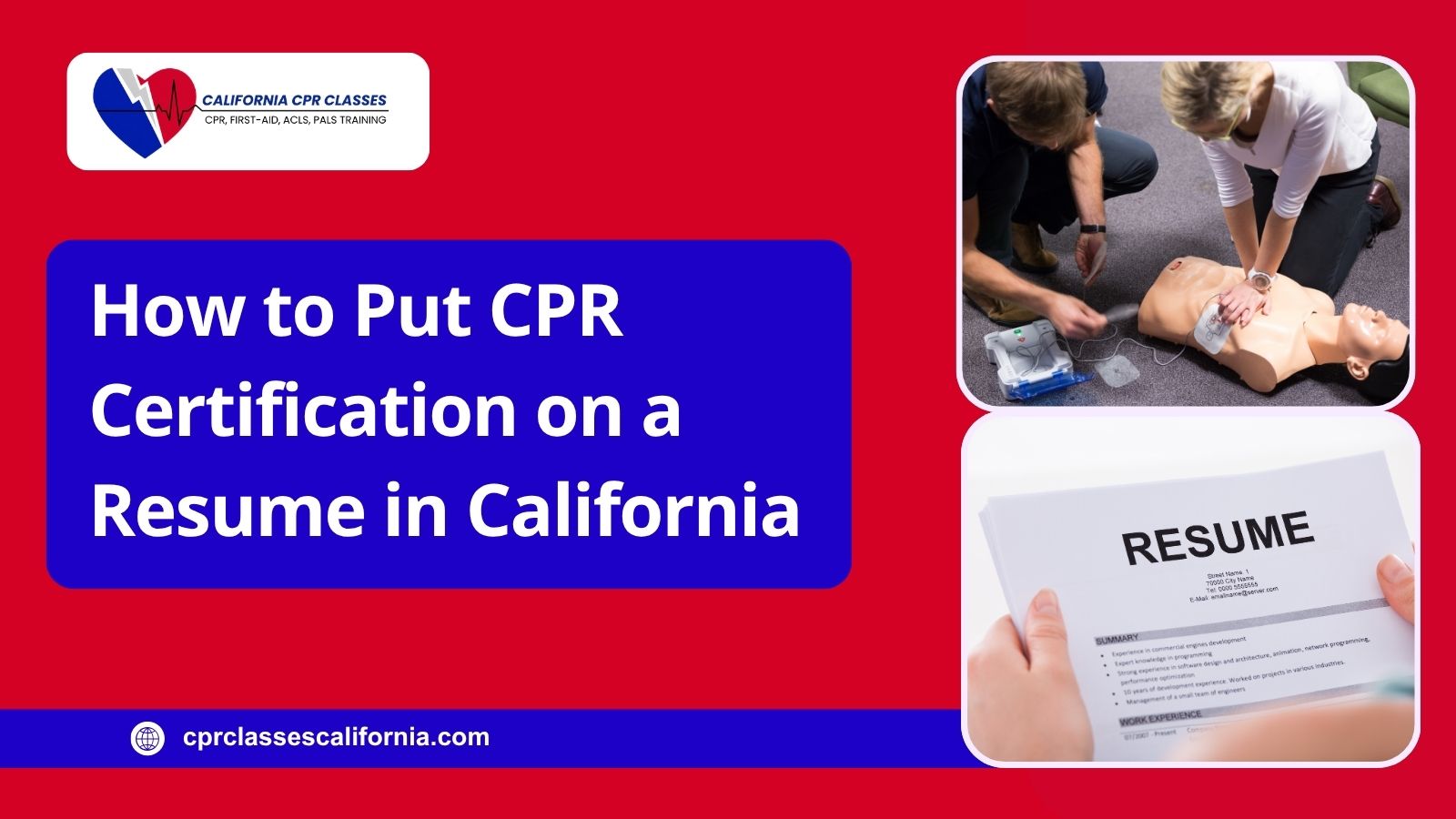
Whether you’re applying for a healthcare position, childcare role, teaching job, or fitness career, listing your CPR certification correctly on your resume can help you stand out to California employers. Many employers require candidates to hold a current CPR certification before they can begin work, while others view it as a valuable qualification that demonstrates responsibility, emergency preparedness, and a commitment to workplace safety.
However, simply writing “CPR Certified” on your resume isn’t enough. Recruiters often look for specific details, such as the type of certification, issuing organization, and whether it is still valid. Knowing where and how to include this information can improve your chances of passing Applicant Tracking Systems (ATS) and making a positive impression on hiring managers.
This guide explains how to put CPR certification on your resume in California, where to list it, formatting examples, and common mistakes to avoid.
Why Add CPR Certification to Your Resume?
CPR certification is more than just another credential; it shows employers that you have practical lifesaving skills and can respond effectively during emergencies. In California, where many professions require employees to maintain CPR training, including your certification on your resume can strengthen your application and help you qualify for more job opportunities.
Benefits of listing CPR certification include:
- Demonstrates emergency response skills.
- Shows commitment to professional development.
- Meets employer or licensing requirements.
- Improves resume visibility in ATS searches.
- Gives you a competitive advantage over applicants without certification.
- Highlights your ability to remain calm under pressure.
Even if CPR certification is not listed as a job requirement, it can still be a valuable addition for positions involving public interaction, supervision, or responsibility for others’ safety.
Where Should You Include CPR Certification on Your Resume?
The best place to list your CPR certification depends on your level of experience, the type of job you’re applying for, and how important the certification is for the role. If CPR certification is a required qualification, place it where hiring managers and Applicant Tracking Systems (ATS) can find it quickly. For most California job seekers, a dedicated Certifications section is the most effective option, but there are several other appropriate locations depending on your resume format.
Here are the locations where you can include CPR certification on your resume:
1. Certifications Section (Best Option)
For most applicants, the Certifications section is the ideal place to list CPR certification. Recruiters often look here first when reviewing resumes for positions that require specific credentials. Listing your certification separately also helps ATS software recognize relevant keywords.
Example:
Certifications
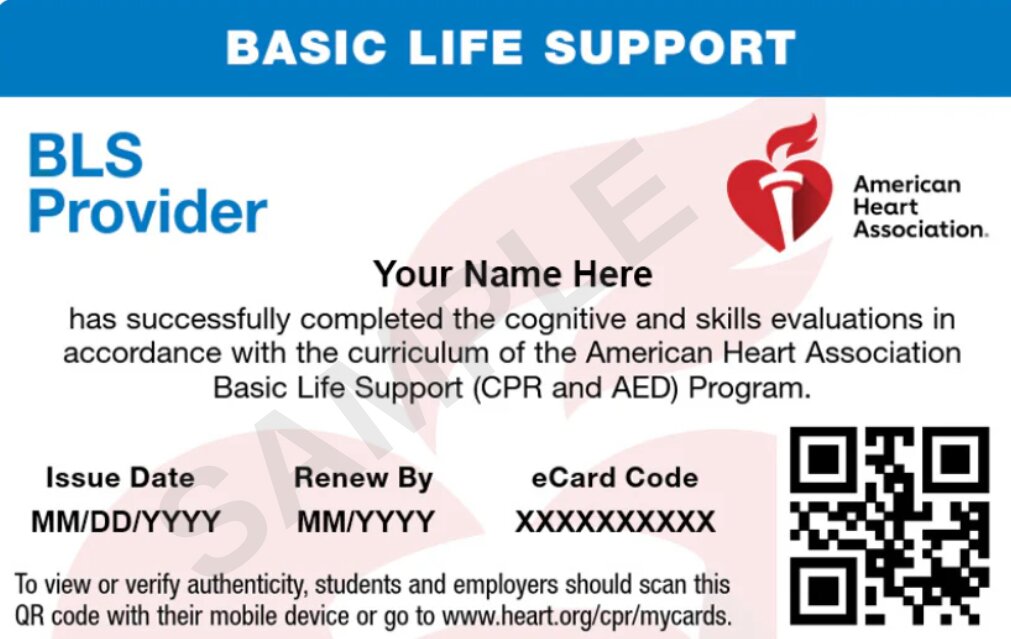
- American Heart Association (AHA) Basic Life Support (BLS) Provider
- Heartsaver CPR AED
- Adult & Pediatric First Aid/CPR/AED
If possible, include the issuing organization and expiration date to show that your certification is current.
2. Professional Summary
If CPR certification is a key requirement for the position, mention it in your professional summary near the top of your resume. This immediately highlights that you meet one of the employer’s essential qualifications.
Example:
Compassionate Medical Assistant with three years of clinical experience, current American Heart Association (AHA) Basic Life Support (BLS) certification, and a strong commitment to delivering safe, high-quality patient care.
This approach works well for healthcare professionals, childcare providers, and other applicants whose certification is central to the role.
3. Education Section
Students, recent graduates, and entry-level candidates with limited work experience can include CPR certification in the Education section. This helps showcase relevant qualifications even if professional experience is limited.
Example:
Education
Bachelor of Science in Nursing
University of California
Additional Certifications
- American Heart Association (AHA) Basic Life Support (BLS) Provider
- Heartsaver First Aid CPR AED
4. Skills Section
You may also mention CPR certification in your Skills section, particularly if the job description emphasizes emergency response or patient care. However, this should complement, not replace, a dedicated Certifications section.
Example:
Skills
- CPR Certified
- Basic Life Support (BLS)
- AED Operation
- First Aid
- Emergency Response
- Patient Care
Including these keywords can improve your resume’s visibility in Applicant Tracking Systems (ATS).
5. Work Experience Section
If you’ve applied CPR skills during previous employment, describe that experience in your Work Experience section rather than simply listing the certification. This demonstrates practical application of your training and strengthens your qualifications.
Example:
Medical Assistant
- Maintained current American Heart Association (AHA) Basic Life Support (BLS) certification.
- Assisted healthcare providers during emergency situations and followed established CPR and AED protocols.
- Supported patient care by responding quickly to urgent medical incidents when needed.
Showing how you’ve used your CPR training helps employers understand the real-world value of your certification.
How to Format CPR Certification Correctly
Formatting your CPR certification properly helps hiring managers quickly verify your qualifications and improves your resume’s compatibility with Applicant Tracking Systems (ATS). Instead of simply writing “CPR Certified,” provide complete and accurate information that clearly identifies your credential.
When listing your CPR certification, include:
- Official certification name
- Issuing organization
- Date earned (optional)
- Expiration date
- Certification status (if applicable)
Using the official course title is especially important because many employers search for specific certifications, such as Basic Life Support (BLS) or Heartsaver CPR AED, rather than the general term “CPR certified.”
Example 1: Basic CPR Certification
American Heart Association (AHA) Heartsaver CPR AED
Issued: June 2026
Expires: June 2028
Example 2: BLS Certification
American Heart Association (AHA) Basic Life Support (BLS) Provider
Issued: May 2026
Expires: May 2028
Example 3: Certifications Section on a Resume
Certifications
- American Heart Association (AHA) Basic Life Support (BLS) Provider | Expires: May 2028
- Heartsaver CPR AED | Expires: June 2028
Common Mistakes to Avoid
Adding a CPR certification to your resume can strengthen your application, but only if it’s presented correctly. Even qualified candidates sometimes make formatting or content mistakes that can reduce the effectiveness of their resumes or create confusion for recruiters.
Here are the most common mistakes to avoid:
1. Listing an Expired CPR Certification as Active
CPR certifications typically need to be renewed periodically. If your certification has expired, don’t present it as current. Instead, renew it before applying or indicate that you’re enrolled in a renewal course if that’s relevant to the position.
2. Using an Unofficial Certification Name
Avoid vague phrases such as:
- CPR Trained
- CPR Knowledge
- Emergency Skills
Instead, use the exact certification title shown on your credential, such as:
- CPR/AED Certification
- Adult & Pediatric CPR/AED
- Basic Life Support (BLS)
Using the official name also helps Applicant Tracking Systems (ATS) recognize your qualifications.
3. Forgetting the Issuing Organization
Recruiters often want to know who issued your certification. Include the name of the organization whenever possible, especially for jobs in healthcare, childcare, education, and fitness.
Example:
- CPR/AED Certification – American Red Cross
- Basic Life Support (BLS) – American Heart Association
4. Omitting the Expiration Date
Many employers prefer candidates with current certifications. Including the expiration date shows that your credential is valid and helps hiring managers quickly verify your qualifications.
5. Hiding Your Certification in the Wrong Section
Don’t bury your CPR certification at the bottom of your resume if it’s important for the role.
Instead:
- Create a dedicated Certifications section.
- Place it near the top of your resume if CPR certification is a job requirement.
- Mention it in your professional summary when it’s one of your strongest qualifications.
6. Using Graphics or Tables
Creative resume designs may look attractive, but Applicant Tracking Systems can struggle to read information placed in:
- Tables
- Text boxes
- Images
- Icons
- Headers and footers
Keep your certifications in plain text with standard headings to improve ATS compatibility.
7. Including Irrelevant Certifications
Only include certifications that support the position you’re applying for. If your resume is becoming crowded, prioritize credentials that match the job description and remove outdated or unrelated certifications.
8. Failing to Tailor Your Resume
Not every job requires the same level of emergency response training. Review each job posting carefully and highlight the certification that best matches the employer’s requirements. For example, some healthcare positions may request BLS certification, while childcare roles may prefer Pediatric CPR.
9. Ignoring Resume Keywords
Many employers use ATS software to search for specific keywords. If your resume only says “Certified in CPR,” but the job posting requests “CPR/AED Certification” or “Basic Life Support (BLS),” you could miss valuable keyword matches.
Whenever appropriate, use the same terminology found in the job description, provided it accurately reflects your certification.
10. Forgetting to Update Your Resume After Renewal
Every time you renew your CPR certification, update your resume with the new issue and expiration dates. Keeping your resume current demonstrates professionalism and ensures employers see your latest credentials.
CPR Certification Providers Recognized by Employers
Employers are more likely to recognize CPR certifications from nationally accredited training organizations. Including the provider’s name on your resume helps verify your credentials and adds credibility.
Some of the most widely accepted CPR certification providers include:
- American Heart Association (AHA): Preferred by many hospitals and healthcare employers, especially for Basic Life Support (BLS) certification.
- American Red Cross: Widely accepted for healthcare, childcare, education, fitness, and workplace safety roles.
- Health & Safety Institute (HSI): Recognized by many employers for workplace and healthcare CPR training.
- National Safety Council (NSC): Accepted across various industries for CPR, AED, and First Aid certification.
Tip: Always check the job description to see if the employer requires certification from a specific provider before submitting your resume.
Get CPR Certified and Strengthen Your Career Opportunities
Adding CPR certification to your resume in California is a simple but effective way to demonstrate your emergency response skills, professionalism, and commitment to workplace safety. Whether you are applying for a healthcare, childcare, education, fitness, or other safety-focused position, listing your certification with the correct course name, issuing organization, and expiration date helps employers quickly verify your qualifications. By placing your CPR certification in the right section, avoiding common formatting mistakes, and tailoring your resume to match job requirements, you can improve your chances of standing out to recruiters and meeting employer expectations.
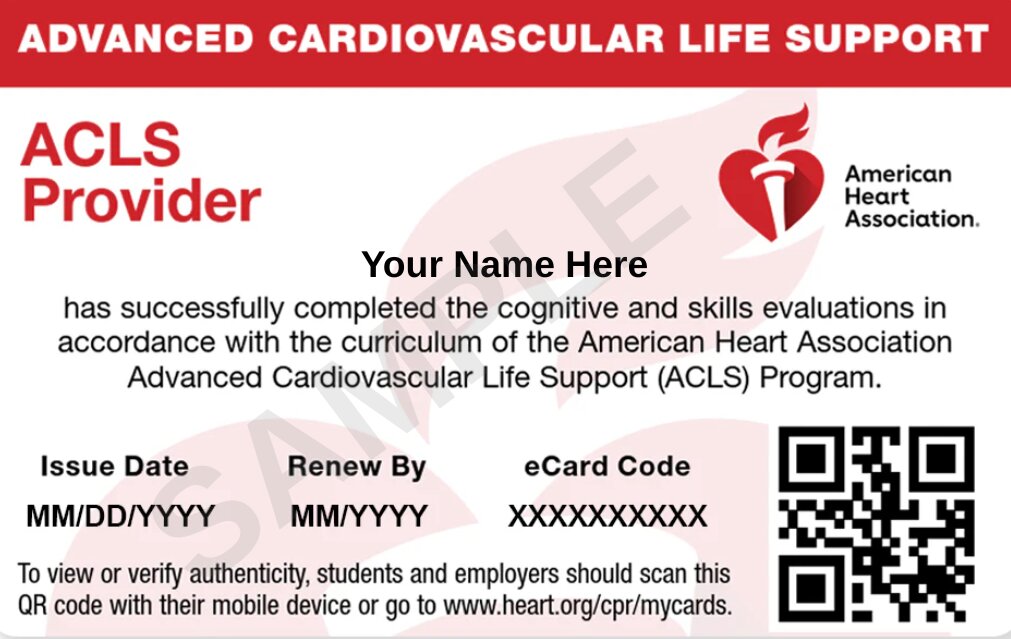
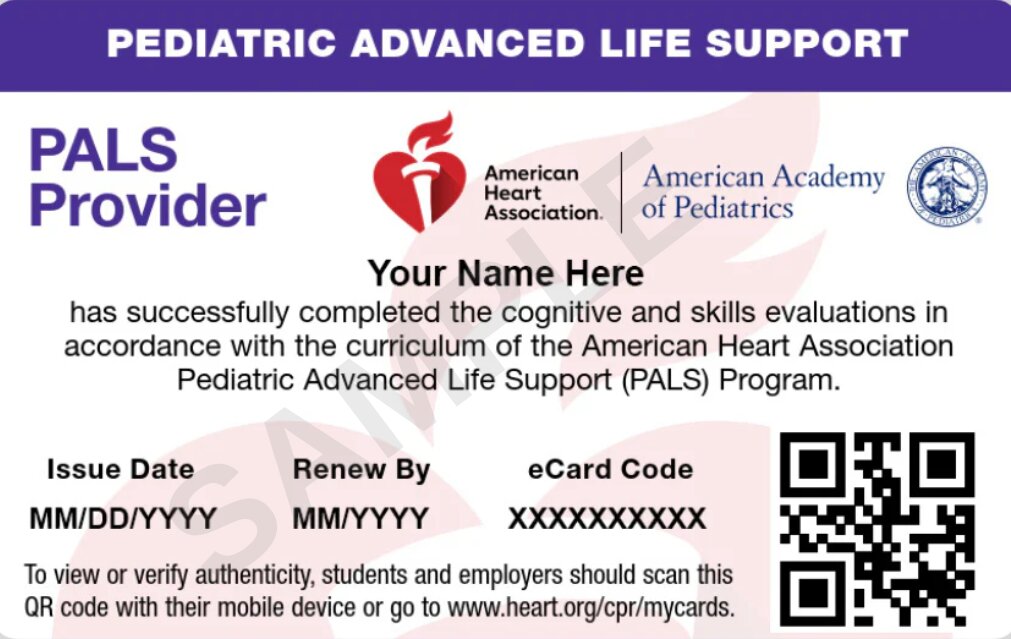
To take the next step toward building your qualifications, California CPR Classes offers American Heart Association (AHA)-aligned training programs, including BLS, ACLS, PALS, Heartsaver CPR AED, and First Aid courses designed for healthcare professionals, workplace employees, and individuals across California. With flexible course options and practical skills training, you can complete your certification requirements, receive your official AHA eCard after successful completion, and confidently add your credential to your resume.