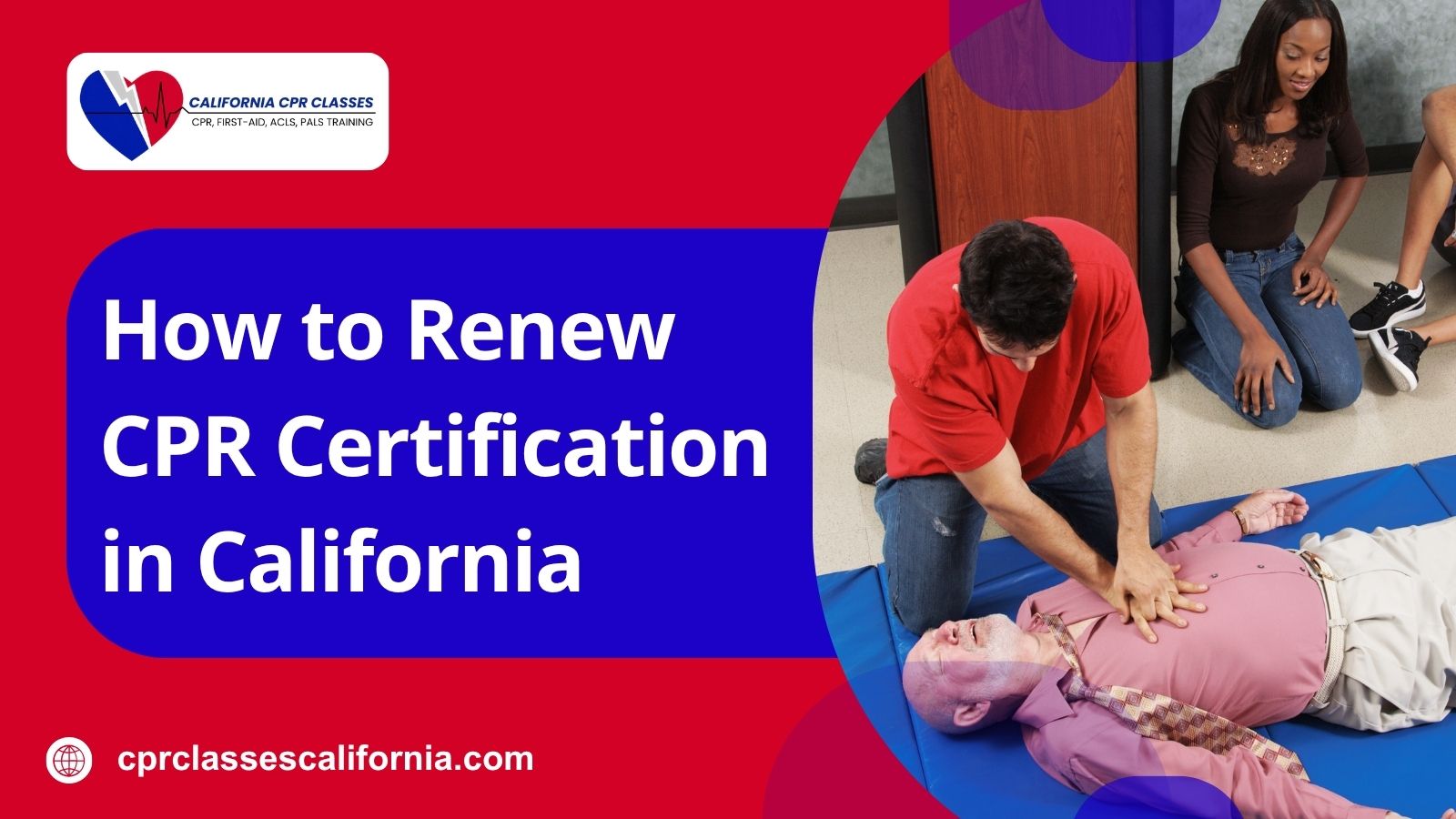
CPR certification equips you with the skills to respond confidently during cardiac arrest, choking, and other life-threatening emergencies. However, these skills can diminish over time, which is why CPR certification must be renewed periodically. In California, most CPR certifications are valid for two years, after which you’ll need to complete a renewal course to maintain your credentials.
Whether you’re a healthcare professional renewing your Basic Life Support (BLS) certification or a teacher, childcare provider, fitness instructor, or workplace employee renewing a CPR/AED certification, the renewal process is generally straightforward.
This guide explains when to renew your CPR certification, how the renewal process works, online renewal options, and what happens if your certification expires.
When Should You Renew Your CPR Certification?
Most CPR certifications issued by nationally recognized organizations, including the American Heart Association (AHA) and the American Red Cross, remain valid for 24 months from the date of completion.
It’s best to renew your certification:
- Before your certification expires
- Within 30 to 60 days of the expiration date if your employer recommends early renewal
- As soon as possible if your certification has already expired
Renewing before expiration helps you avoid any lapse in certification, which is particularly important if your employer or licensing board requires continuous CPR credentials.
Steps to Renew CPR Certification in California
Renewing your CPR certification in California is a straightforward process. Whether you’re a healthcare professional in Los Angeles, a teacher in Sacramento, or a childcare provider in San Diego, following these steps will help you maintain your certification and stay prepared for emergencies.
Here are the steps that you can follow to renew your CPR certification in California:
1. Check Your Certification Expiration Date
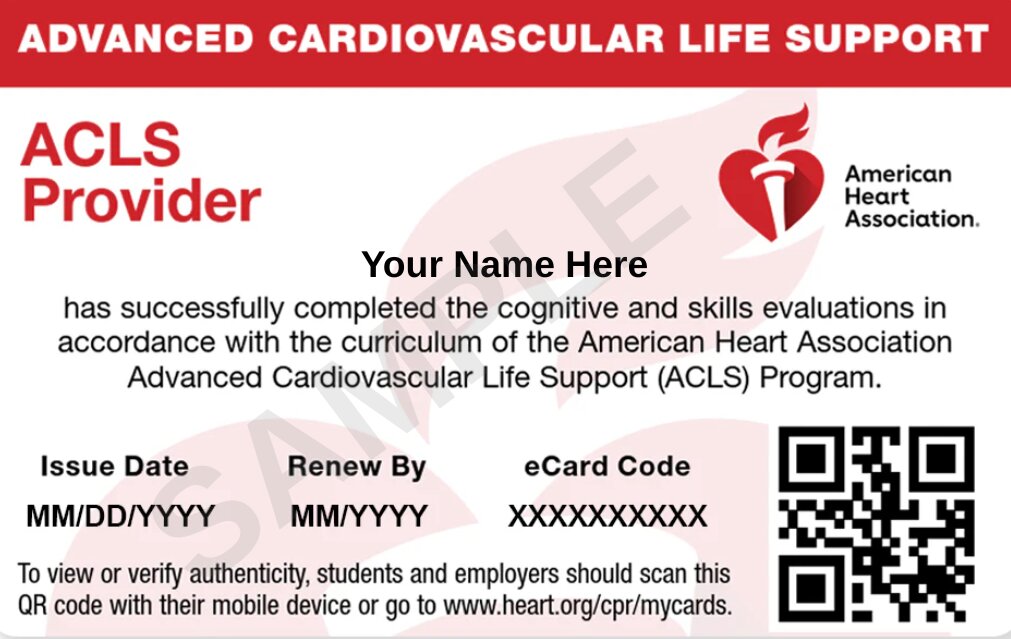
Start by reviewing your CPR certification card or digital certificate to find its expiration date. Most CPR certifications are valid for two years, so it’s best to register for a renewal course before your certification expires to avoid any gap in your credentials.
2. Choose the Right CPR Renewal Course
Select a renewal course that matches your profession and employer’s requirements. Common options include:
- CPR/AED Renewal
- CPR and First Aid Renewal
- Basic Life Support (BLS) Renewal
- Advanced Cardiovascular Life Support (ACLS) Renewal
- Pediatric Advanced Life Support (PALS) Renewal
Healthcare professionals should confirm the required certification level with their employer or licensing board before enrolling.
3. Register With an Approved Training Provider
Enroll with a nationally recognized CPR training provider that follows the latest resuscitation guidelines. CPR renewal courses are available throughout California, including training centers in San Jose, Oakland, Sacramento, Santa Barbara, Walnut Creek, Citrus Heights, Palm Desert, Newark, and Stockton, making it easy to find a convenient location.
4. Complete the Required Training
Attend your renewal course in the format that best fits your schedule. Depending on the provider, you may choose:
- Traditional in-person classroom training
- Blended learning (online coursework followed by an in-person skills session)
- Instructor-led renewal classes
The course reviews essential CPR skills, AED use, rescue breathing, choking relief, and updates based on the latest CPR guidelines.
5. Pass the Skills Assessment
Most CPR renewal courses include a hands-on skills evaluation to demonstrate your ability to perform:
- Adult CPR
- Child CPR
- Infant CPR
- Automated External Defibrillator (AED) operation
- Choking relief techniques
Healthcare-level courses, such as BLS, ACLS, and PALS, may also include team-based resuscitation scenarios and additional practical assessments.
6. Receive Your Renewed Certification
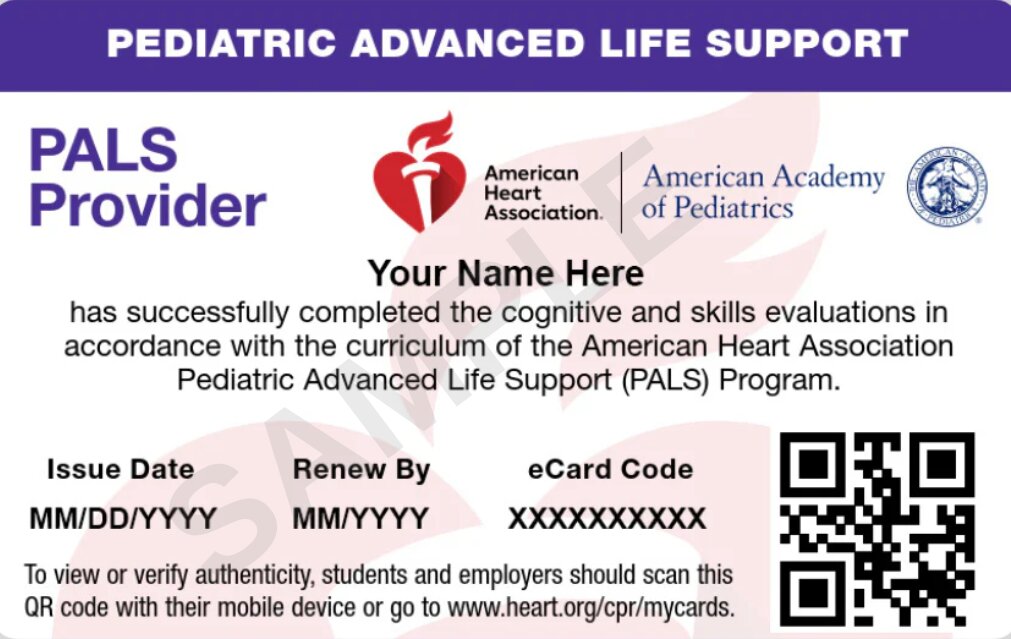
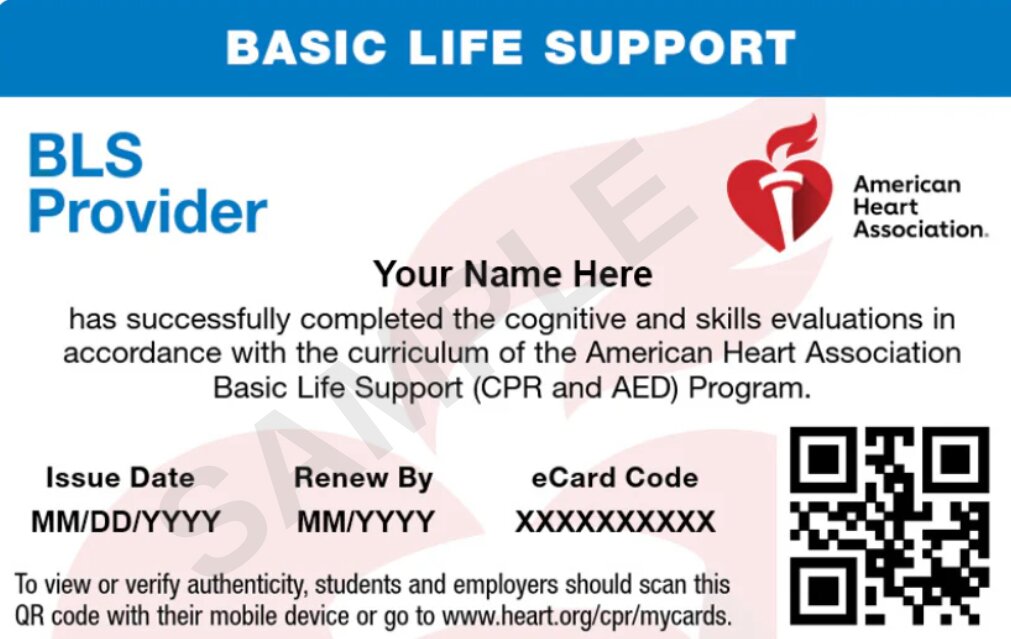
After successfully completing the course requirements, you’ll receive a new CPR certification card, which is generally valid for another two years. Many training providers issue digital certification cards the same day, allowing you to quickly provide proof of certification to your employer.
Can You Renew CPR Certification Online in California?
Yes, but the type of online course matters. Many CPR providers offer blended learning, where you complete the knowledge portion online and attend an in-person skills assessment. This option provides flexibility while ensuring you demonstrate practical CPR skills.
Some providers also offer fully online CPR renewal courses. While these may be suitable for personal knowledge or certain workplace requirements, many California employers, particularly hospitals, healthcare facilities, and emergency medical organizations, require a certification that includes a hands-on skills evaluation.
Before enrolling, verify that the course format meets your employer’s or licensing organization’s requirements.
Who Needs CPR Renewal in California?
CPR renewal is important for professionals who are responsible for responding to medical emergencies or caring for others. While California does not require every resident to maintain CPR certification, many employers, licensing boards, and industry regulations require workers to keep their certification current.
Common professions that require regular CPR renewal include:
- Physicians, registered nurses (RNs), licensed vocational nurses (LVNs), EMTs, and paramedics
- Dentists, dental hygienists, and dental assistants
- Physical and occupational therapists
- Medical assistants and other healthcare professionals
- Childcare providers and preschool staff
- Teachers, school employees, and athletic coaches
- Lifeguards and swim instructors
- Personal trainers and fitness professionals
- Home health aides and caregivers
- Security personnel and workplace safety officers
- Firefighters and other first responders
Even if your employer doesn’t require CPR certification, renewing it every two years helps you stay up to date with the latest resuscitation guidelines, maintain confidence in your lifesaving skills, and be prepared to respond effectively during emergencies.
How Long Does CPR Renewal Take?
The length of a CPR renewal course in California depends on the type of certification you’re renewing, the training format, and whether additional certifications, such as First Aid, are included. In general, CPR renewal courses are shorter than initial certification classes because they focus on reviewing previously learned skills and updating participants on the latest CPR guidelines.
Below is the typical duration for common CPR renewal courses:
| Course Type | Typical Duration |
| CPR/AED Renewal | 2–3 hours |
| CPR & First Aid Renewal | 3–5 hours |
| BLS Renewal | 2–4 hours |
| ACLS Renewal | 5–8 hours |
| PALS Renewal | 5–8 hours |
Keep in mind that the total time may vary depending on the training provider, class size, and your familiarity with CPR techniques. Healthcare providers renewing BLS, ACLS, or PALS certification may spend additional time completing practical skills assessments or team-based resuscitation scenarios.
What Happens If Your CPR Certification Expires?
If your CPR certification expires, you may no longer meet your employer’s or licensing body’s certification requirements.
Depending on the training provider and the length of time your certification has been expired, you may be able to take a renewal course. However, some providers or employers may require you to complete the full initial certification course instead of a renewal course.
Allowing your certification to lapse can also delay hiring, affect work eligibility, or interrupt professional compliance, especially in healthcare settings.
Tips for a Smooth CPR Renewal
Renewing your CPR certification is easier when you plan ahead. Follow these tips to avoid delays and keep your certification active:
- Check your expiration date early: Schedule your renewal 30–60 days before your certification expires to avoid gaps.
- Confirm requirements: Make sure you choose the correct course, such as CPR/AED, First Aid, or BLS renewal, based on your job requirements.
- Choose the right training format: Select online, blended, or in-person training depending on your schedule and employer’s acceptance.
- Practice your skills: Review CPR techniques, AED use, and emergency response steps before your skills assessment.
- Keep your records: Save your digital and printed certification cards for easy access.
- Set a renewal reminder: Add a calendar reminder for your next renewal date to stay current.
Planning ahead helps you complete your CPR renewal quickly and maintain the certification needed for work and emergency preparedness.
Stay Prepared With CPR Certification Renewal
Renewing your CPR certification in California is an important step to keep your life-saving skills current and meet professional requirements. Whether you need CPR/AED, BLS, or another certification renewal, completing your course on time helps prevent certification gaps and ensures you remain prepared to respond during emergencies. By choosing the right training provider and completing the required skills assessment, you can maintain your credentials with confidence.
For individuals looking to renew their CPR certification, CPR Classes California offers comprehensive CPR training programs designed to help participants meet workplace requirements and build emergency response confidence. As an American Heart Association (AHA) Authorized Training Center, CPR VAM provides CPR, BLS, ACLS, and PALS courses backed by over 22 years of experience, flexible scheduling, instant digital certification, advanced Voice-Assisted Manikin (VAM) technology, and a 99.9% pass rate.