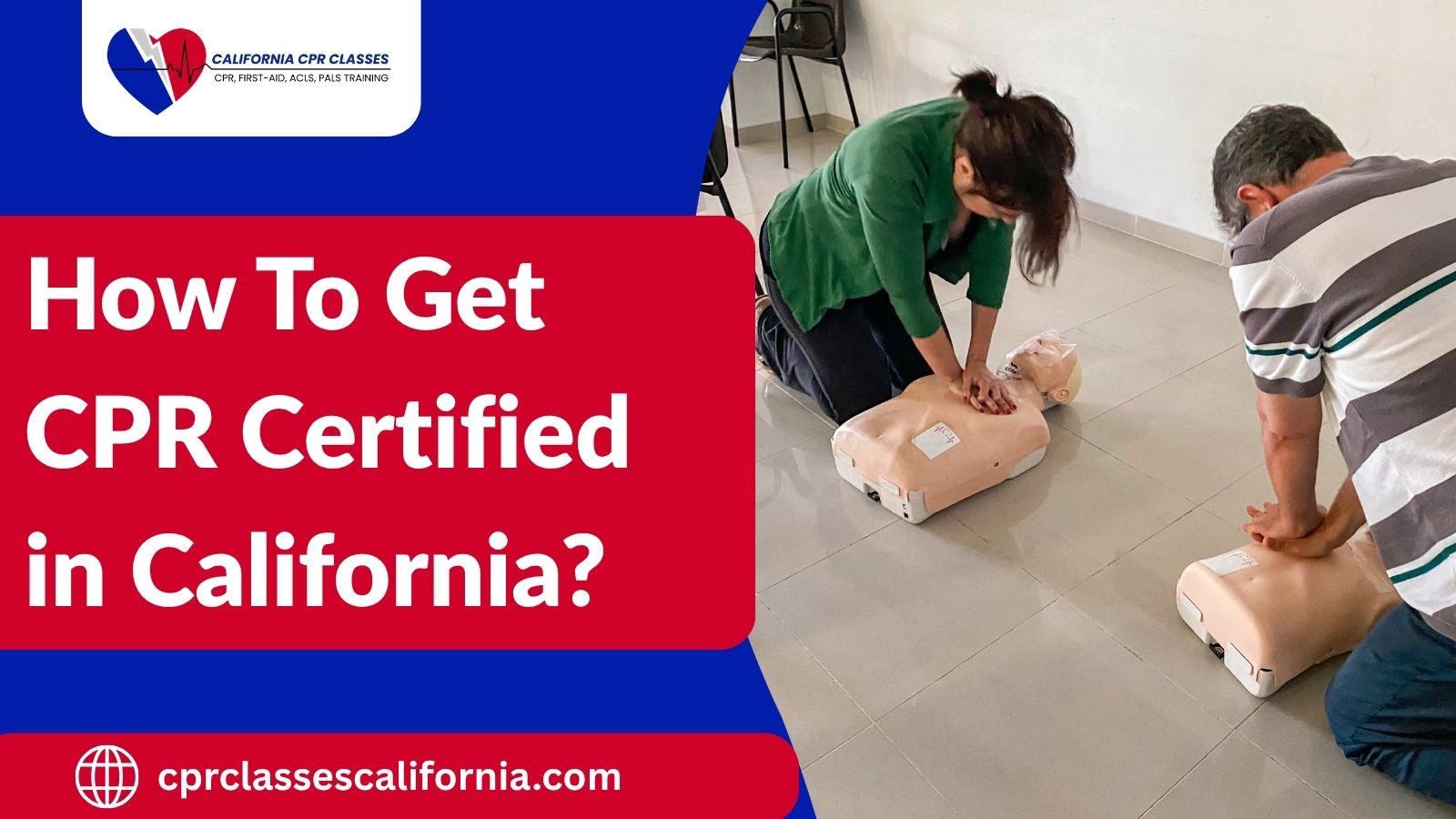
Learning cardiopulmonary resuscitation (CPR) is one of the most valuable skills you can have, whether you’re pursuing a healthcare career, working in education, or simply want to be prepared for emergencies. CPR certification provides the knowledge and practical skills needed to respond confidently when someone experiences cardiac arrest, choking, or another life-threatening emergency.
If you’re wondering how to get CPR certified in California, the process is straightforward. You need to choose the appropriate certification level, enroll in a recognized training course, complete the required classroom or online instruction, demonstrate your skills, and receive your certification card. Depending on the course you choose, you can often complete the certification in a single day.
This guide explains everything you need to know about obtaining CPR certification in California, including the different certification types, training options, costs, renewal requirements, and tips for choosing the right course.
What Is CPR Certification?
CPR certification is an official credential that confirms you have successfully completed a cardiopulmonary resuscitation (CPR) training course and demonstrated the skills needed to respond to cardiac and breathing emergencies. During the course, you’ll learn how to recognize the signs of cardiac arrest, perform high-quality CPR, use an Automated External Defibrillator (AED), and provide assistance to someone who is choking until emergency medical services (EMS) arrive. These practical skills can help improve survival outcomes by enabling immediate action before professional medical help is available.
CPR certification is available for both the general public and healthcare professionals, with different course levels based on your needs. Basic CPR and AED courses are ideal for parents, teachers, coaches, and workplace employees, while advanced certifications such as Basic Life Support (BLS), Advanced Cardiovascular Life Support (ACLS), and Pediatric Advanced Life Support (PALS) are designed for healthcare providers. Most CPR certifications are valid for two years and require renewal to ensure your knowledge and life-saving skills remain up to date with current guidelines.
Is CPR Certification Required in California?
CPR certification is not required for every resident in California, but it is mandatory for many professions and workplaces where employees are responsible for the health and safety of others. Healthcare providers such as nurses, physicians, emergency medical technicians (EMTs), and dental professionals are often required to maintain a current CPR or Basic Life Support (BLS) certification. Similarly, many schools, childcare centers, fitness facilities, and public safety organizations require employees to hold a valid CPR certification as part of their employment or licensing requirements.
Even if CPR certification isn’t legally required for your profession, earning this credential is highly recommended. It equips you with the skills to respond confidently during cardiac arrest, choking incidents, and other life-threatening emergencies while improving your qualifications for many jobs. Before enrolling in a course, it’s a good idea to check with your employer, licensing board, or regulatory agency to ensure you choose a CPR certification that meets their specific requirements.
What Are the Steps to Get CPR Certified?
Obtaining CPR certification is a straightforward process. Following these steps ensures you choose the appropriate course and receive a certification that meets your personal or professional requirements.
Step 1: Determine Which CPR Certification You Need
Before enrolling in a course, identify the certification that best matches your profession, employer requirements, or personal goals. Different certifications are designed for different audiences, so choosing the right one ensures your credential meets the necessary standards.
Basic CPR and AED
Basic CPR and AED certification is ideal for the general public, workplace employees, teachers, coaches, parents, and caregivers. The course teaches participants how to perform CPR on adults, children, and infants, use an Automated External Defibrillator (AED), and respond to choking emergencies. No prior medical experience is required.
Basic Life Support (BLS)
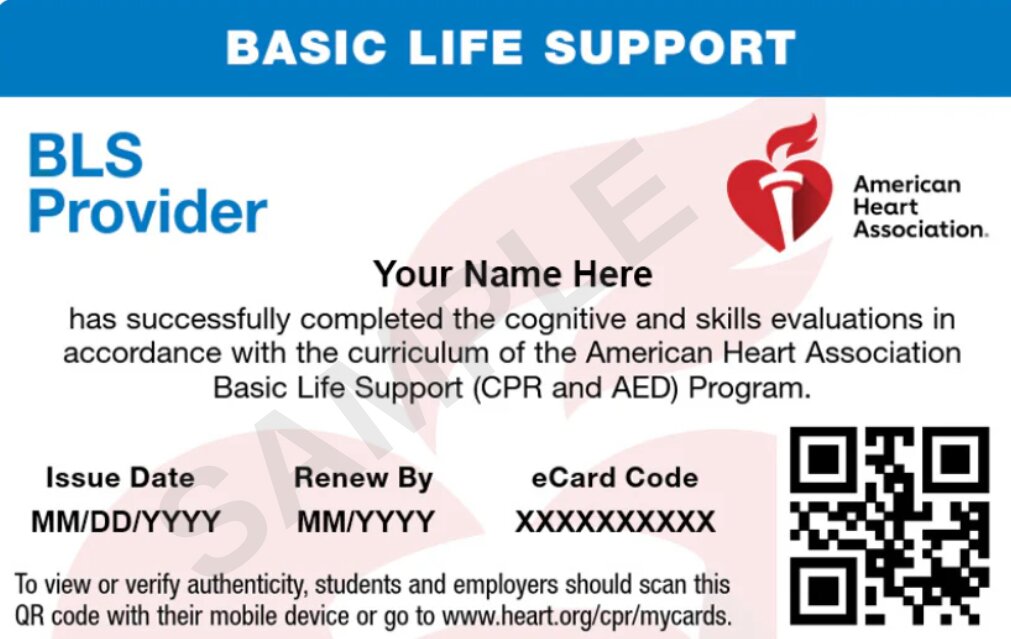
Basic Life Support (BLS) certification is intended for healthcare professionals such as nurses, physicians, EMTs, medical assistants, and dental professionals. In addition to high-quality CPR and AED use, BLS covers two-rescuer CPR, team-based resuscitation, and effective airway management in clinical settings.
Advanced Cardiovascular Life Support (ACLS)
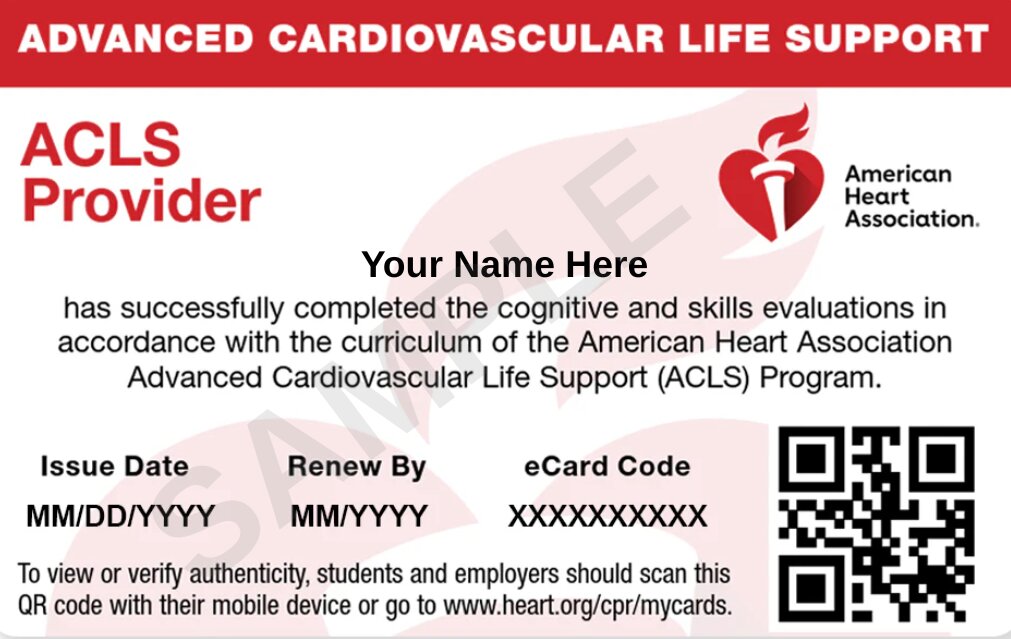
ACLS certification is designed for healthcare providers who manage cardiovascular emergencies. The course focuses on advanced resuscitation techniques, cardiac rhythm recognition, airway management, pharmacology, and team dynamics for treating adult patients experiencing cardiac arrest or other life-threatening conditions.
Pediatric Advanced Life Support (PALS)
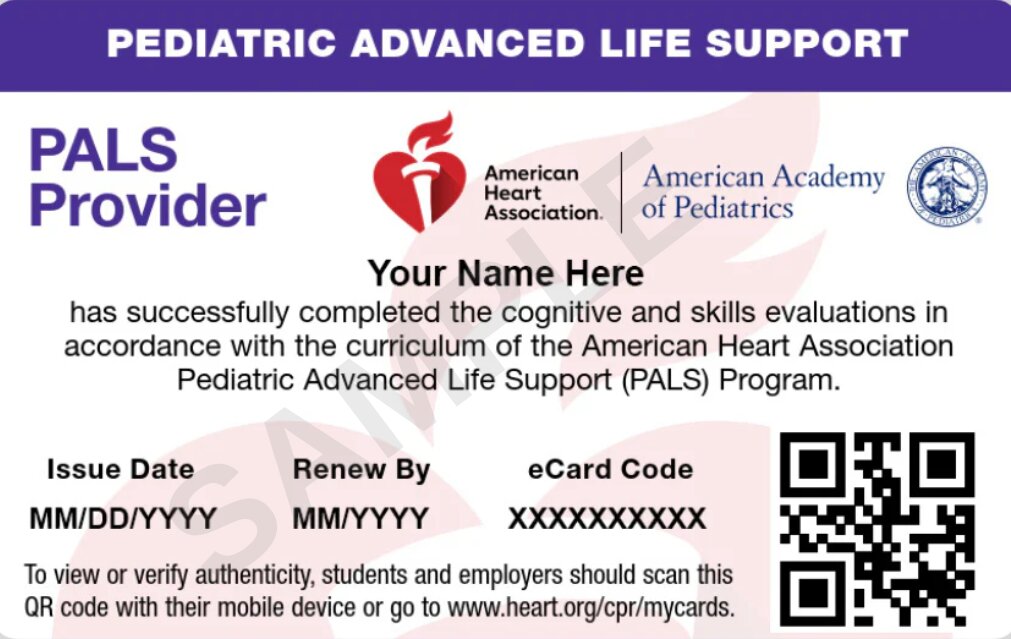
PALS certification is specifically for healthcare professionals who care for infants and children. It teaches advanced pediatric assessment, respiratory and cardiac emergency management, shock treatment, and pediatric resuscitation techniques to improve outcomes during critical situations.
Step 2: Choose a Reputable Training Provider
Once you’ve identified the appropriate certification, choose a trusted training provider that is authorized by a recognized organization, such as the American Heart Association (AHA), and offers high-quality instruction with widely accepted certifications.
When comparing providers, look for:
- Authorization from a recognized organization, such as the American Heart Association (AHA)
- Positive student reviews and employer-recognized certifications
- Hands-on practical training with experienced instructors
- Up-to-date training materials and equipment, including Voice-Assisted Manikins (VAMs)
- Digital certification cards for quick and convenient access
- Flexible scheduling options, including weekday, evening, and weekend classes
Step 3: Decide Between Online, In-Person, or Hybrid Training
Many CPR training providers in California offer multiple learning formats to accommodate different schedules and learning preferences. In-person classes provide direct instruction and hands-on practice, while hybrid/blended courses combine online learning with an in-person skills evaluation. Fully online courses may be suitable for general knowledge, but some employers and licensing boards require an in-person skills assessment, so it’s important to verify their requirements before enrolling.
Step 4: Register for Your Course
After selecting a provider and learning format, register for a class that fits your schedule. Many CPR training providers offer weekday, evening, and weekend classes, making it easier to find a convenient training time. Before attending, review any prerequisites or instructions provided during registration.
Step 5: Attend the Training
Once you’ve registered, complete the training based on your chosen course format.
- In-person classes require you to attend classroom sessions where both the course instruction and hands-on skills practice are completed on-site. This format provides direct interaction with instructors but requires more time in the classroom.
- Blended (hybrid) learning allows you to complete the online theory portion at your own pace before attending a brief in-person skills session. This option offers greater flexibility, making it a popular choice for busy professionals while still meeting the hands-on training requirements of many employers.
- Online-only courses are completed entirely online without an in-person skills evaluation. While they can be useful for learning CPR concepts, they are not accepted by many employers or licensing organizations that require hands-on competency.
Step 6: Complete the Skills Assessment
If you’re enrolled in an in-person or blended CPR course, you’ll need to complete an in-person skills assessment after finishing the course instruction. During this evaluation, a certified instructor will assess your ability to perform CPR, use an AED, and demonstrate other required lifesaving skills.
Many training providers issue certification shortly after you successfully complete the skills assessment. If you choose an online-only course, a hands-on skills assessment is generally not required, which is one of the reasons these certifications may not meet all workplace or professional requirements.
Step 7: Receive Your CPR Certification
Once you’ve successfully completed the course and passed the skills assessment, you’ll receive your CPR certification. Many training providers issue a digital certification card on the same day, while others also provide a printable or physical card. Most CPR certifications remain valid for two years, after which you’ll need to complete a renewal course to keep your certification current.
How Long Does It Take to Get Certified?
The time required to get CPR certified in California depends on the type of course and training format you choose. Basic CPR courses are usually short and can often be completed in a single day, while advanced medical certifications require more in-depth training and multiple hours of instruction and assessment.
In most cases, blended learning programs (online + in-person skills sessions) can reduce classroom time, making the process more flexible for busy learners.
CPR Certification Duration in California
| Certification Type | Typical Duration | Notes |
| Basic CPR & AED | 2–4 hours | Can often be completed in one session |
| CPR + First Aid | 4–6 hours | Includes emergency response basics |
| Basic Life Support (BLS) | 3–5 hours | Required for most healthcare workers |
| Advanced Cardiovascular Life Support (ACLS) | 8–16 hours | Advanced cardiac emergency training |
| Pediatric Advanced Life Support (PALS) | 8–16 hours | Focuses on infant and child emergencies |
In general, most people in California can become CPR certified within a few hours to one day, depending on the level of training they select. Advanced certifications like ACLS and PALS typically require longer sessions due to the complexity of clinical scenarios and skills assessments.
How Much Does CPR Certification Cost in California?
The cost of CPR certification in California depends on the type of course, training provider, and whether the program includes additional credentials such as First Aid, BLS, ACLS, or PALS. Basic CPR courses are generally more affordable, while advanced healthcare certifications cost more due to the depth of training and clinical components involved.
Here’s a general breakdown of average CPR certification costs in California:
| Certification Type | Average Cost Range |
| Basic CPR & AED | $40 – $85 |
| CPR + First Aid Combo | $60 – $125 |
| Basic Life Support (BLS) | $70 – $150 |
| Advanced Cardiovascular Life Support (ACLS) | $150 – $300 |
| Pediatric Advanced Life Support (PALS) | $150 – $300 |
Can You Get CPR Certified Online in California?
Yes, you can get CPR certified online in California, but whether an online certification is accepted depends on your employer, licensing board, or industry requirements. Many training providers offer hybrid CPR courses, where you complete the theoretical portion online at your own pace and then attend an in-person skills assessment. This option provides greater flexibility while ensuring you receive hands-on training and demonstrate your CPR and AED skills under instructor supervision.
Fully online CPR courses may be suitable for individuals seeking general knowledge or personal preparedness. However, many healthcare employers and regulated professions require a certification that includes an in-person skills evaluation. Before enrolling in an online course, always verify your employer’s or organization’s requirements to ensure the certification you earn will meet their standards.
How to Choose the Best CPR Certification Course?
Choosing the right CPR certification course is just as important as earning the certification itself. A high-quality course should provide up-to-date training, experienced instruction, and a certification that is accepted by your employer or licensing organization. Before enrolling, consider your career requirements, preferred learning format, course schedule, and whether the program includes hands-on skills practice.
When comparing CPR certification courses in California, look for the following:
- Choose the right certification level (CPR & AED, BLS, ACLS, or PALS) based on your profession or goals.
- Confirm that the certification meets your employer’s or licensing board’s requirements.
- Look for courses taught by qualified and experienced instructors.
- Ensure the program includes hands-on skills training and AED practice, if required.
- Compare online, in-person, and hybrid learning options to find the format that best fits your schedule.
- Check class availability, convenient locations, and flexible scheduling.
- Read student reviews and testimonials to evaluate the provider’s reputation.
- Compare course fees and understand what’s included, such as study materials and certification cards.
- Verify that you’ll receive a digital or physical certification card upon successful completion.
- Choose a provider that also offers renewal courses to make it easier to maintain your certification in the future.
Taking the time to compare your options will help you find a CPR certification course that offers quality training, practical experience, and a credential that’s widely recognized throughout California.
How Long Does CPR Certification Last in California?
In California, CPR certification is typically valid for two years, regardless of whether it is Basic CPR, Basic Life Support (BLS), or advanced certifications such as ACLS and PALS. This standard duration is based on national guidelines from major training organizations, which recommend periodic renewal to ensure individuals stay updated on the latest emergency response techniques.
Once your certification expires, you are generally required to complete a renewal or recertification course to maintain active status. Many training providers offer streamlined renewal programs that are shorter than the initial course, especially if you are already familiar with CPR procedures. Keeping your certification current is important not only for employment requirements but also to ensure you are confident and prepared to respond effectively during emergencies.
Why Earning a CPR Certification Matters
CPR certification prepares you to respond quickly during cardiac arrest, choking, and other life-threatening emergencies. Taking immediate action and using an Automated External Defibrillator (AED) before emergency medical services (EMS) arrive can significantly improve a person’s chances of survival.
Beyond preparing you for emergencies, CPR certification offers several personal and professional benefits:
- Helps save lives by enabling you to provide immediate care during critical emergencies.
- Builds confidence to respond calmly and effectively in high-pressure situations.
- Meets workplace requirements for many healthcare, education, childcare, fitness, and public safety professions.
- Enhances career opportunities by adding a valuable, employer-recognized credential to your resume.
- Supports workplace and community safety by creating a safer environment for coworkers, students, patients, and the public.
- Keeps your skills current through regular renewal and training based on the latest CPR guidelines.
- Prepares you for emergencies anywhere, whether at home, work, school, or in public places.
Whether you’re pursuing CPR certification for your career or personal preparedness, the training provides practical life-saving skills that can make a meaningful difference when every moment counts.
Learn More: Benefits of CPR Training
Ready to Get CPR Certified? Take the First Step Toward Lifesaving Skills
Getting CPR certified in California is a straightforward process that equips you with the skills to respond confidently during life-threatening emergencies. By choosing the right certification, completing a recognized training course, and keeping your certification up to date through regular renewal, you’ll be prepared to provide potentially life-saving care whenever it’s needed.
If you’re ready to get certified, CPR Classes California, powered by CPR VAM, offers expert CPR certification courses designed to prepare you for real-world emergencies while meeting workplace requirements. As an American Heart Association (AHA) Authorized Training Center, CPR VAM provides BLS, ACLS, and PALS courses backed by more than 22 years of experience. With flexible scheduling, instant digital certification, advanced Voice-Assisted Manikin (VAM) technology, and a 99.9% pass rate, CPR VAM makes it easy to earn a trusted CPR certification with confidence.