CPR certification in California typically lasts two years from the date of successful completion. After two years, individuals must complete a CPR renewal course to maintain an active certification and continue meeting workplace or professional requirements. This renewal period applies to many American Heart Association (AHA)-aligned courses, including CPR/AED, Heartsaver CPR, and Basic Life Support (BLS) certification.
Keeping your CPR certification current ensures that you remain familiar with the latest lifesaving techniques, including high-quality chest compressions, AED use, rescue breathing, and emergency response procedures. Whether you are a healthcare professional, teacher, childcare provider, workplace employee, or someone who wants to be prepared for emergencies, renewing your certification helps you maintain the knowledge and skills needed to respond confidently when every second matters.
In this blog, we will explain why CPR certification expires, how often you need to renew it, and what steps you can take to maintain an active CPR credential.
Why Does CPR Certification Expire After Two Years?
CPR certification expires after two years because lifesaving guidelines and emergency response practices can change over time. Organizations such as the American Heart Association regularly review scientific research and update CPR recommendations to improve survival outcomes during cardiac emergencies.
The two-year renewal cycle helps ensure certified individuals:
- Practice current CPR techniques based on updated guidelines
- Maintain proper chest compression skills
- Stay familiar with AED operation
- Refresh emergency response knowledge
- Remain confident during real-life situations
CPR is a hands-on skill, and knowledge alone is not enough. Regular practice and renewal training help individuals maintain the physical skills needed to perform effective CPR during an emergency.
How Often Do You Need to Renew CPR Certification in California?
In California, most CPR certifications need to be renewed every two years. This two-year renewal cycle is the standard followed by many nationally recognized CPR training organizations and helps ensure that individuals maintain current lifesaving skills and knowledge.
While California does not have a single renewal requirement that applies to every person, CPR certification requirements often depend on the organization that issued the certification, your employer, and your profession. Some workplaces, licensing agencies, and professional organizations may have specific rules about when CPR training must be renewed.
Can I Use an Expired CPR Certification in California?
No, an expired CPR certification generally cannot be used as a current credential in California for jobs, professional requirements, or workplace compliance. Once your CPR certification reaches its expiration date, it is no longer considered valid by most employers, organizations, and training providers.
While an expired CPR certification may show that you previously completed CPR training, it does not confirm that your skills and knowledge are up to date. Most organizations require individuals to maintain an active CPR certification to ensure they are prepared to respond correctly during emergency situations.
Can You Renew an Expired CPR Certification in California?
Yes, you can generally renew an expired CPR certification in California, but the process depends on how long your certification has been expired and the requirements of the training provider, employer, or organization that requires your CPR credentials.
If your CPR certification has recently expired, many training providers may allow you to complete a CPR renewal or recertification course. These courses are designed to refresh your knowledge, review current CPR techniques, and help you demonstrate the skills needed to respond during an emergency.
If your certification has expired for a longer period, you may need to complete a full CPR certification course instead of a renewal class. This ensures that you receive complete training and demonstrate proper CPR and AED skills before receiving a new certification card.
What Happens If You Don’t Renew CPR Certification in California?
If you do not renew your CPR certification in California, your certification will eventually expire and no longer be considered current. While you may still remember important CPR techniques, an expired certification may not meet the requirements of employers, professional organizations, or programs that require proof of active CPR training.
For many jobs and professional roles, maintaining a current CPR certification is an important requirement. If your certification expires, you may experience issues such as:
- Not meeting workplace requirements – Employers that require CPR certification may ask you to complete renewal training before continuing in certain roles.
- Loss of professional compliance – Healthcare workers, childcare providers, teachers, and other professionals may need an active certification to meet job or organizational standards.
- Limited employment opportunities – Some employers may require current CPR credentials before hiring or allowing employees to perform certain duties.
- Reduced confidence during emergencies – Without regular practice and updated training, CPR skills and knowledge may become less effective over time.
How to Enroll in Recertification Courses in California
Enrolling in a CPR recertification course in California is a simple process that helps you maintain your certification, refresh your emergency response skills, and meet workplace or professional requirements. If your CPR certification is expired or nearing expiration, completing a renewal course can help you regain an active certification status.
Here are a simple steps to enroll and get recertified:
Step 1: Check Your CPR Certification Status
Before enrolling in a CPR recertification course, check whether your certification is still active or has already expired.
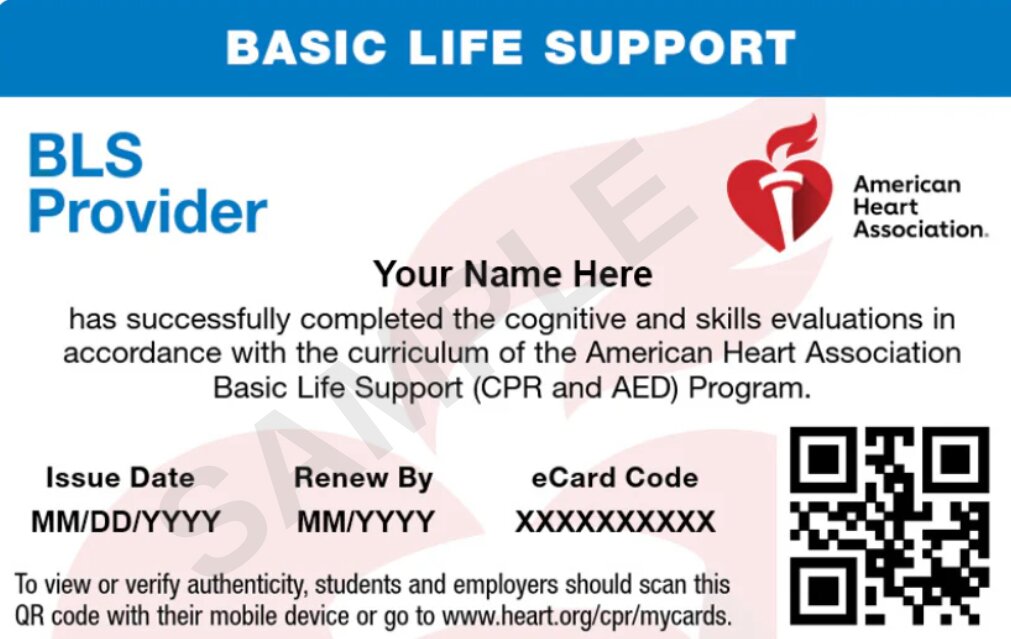
Review your CPR certification card or digital certificate to find:
- Certification issue date
- Expiration date
- Certification provider
- Type of CPR training completed
Knowing your certification status helps you choose the correct course option. Some providers offer renewal courses for recently expired certifications, while others may require a full CPR certification course.
Step 2: Choose a Recognized CPR Training Provider
The next step is selecting a CPR training provider that meets your needs and any requirements from your employer or organization.
When choosing a provider, consider:
- Whether the certification is accepted by your workplace
- Course format options
- Instructor qualifications
- Hands-on skills training availability
- Certification type offered
Step 3: Select the Right CPR Recertification Course
Different professions may require different levels of CPR certification. Choose a course based on your role and certification needs.
CPR Renewal for Healthcare Professionals
Healthcare workers may need advanced CPR training designed for medical settings. These courses often include additional emergency response skills and assessment requirements.
CPR Renewal for Childcare Providers and Teachers
Individuals who work with children may need CPR training that includes adult, child, and infant CPR techniques.
CPR Renewal for Workplace Requirements
Many employers require CPR and AED training to help employees respond during workplace emergencies.
Step 4: Complete the Training Requirements
Most CPR recertification courses include a combination of knowledge review and practical skills training.
Course requirements may include:
- Reviewing current CPR guidelines
- Practicing chest compressions
- Learning AED operation
- Demonstrating CPR techniques
- Completing a skills evaluation
- Passing a knowledge assessment
Hands-on practice is an important part of CPR training because proper technique and confidence are essential during emergencies.
Step 5: Receive Your Updated CPR Certification
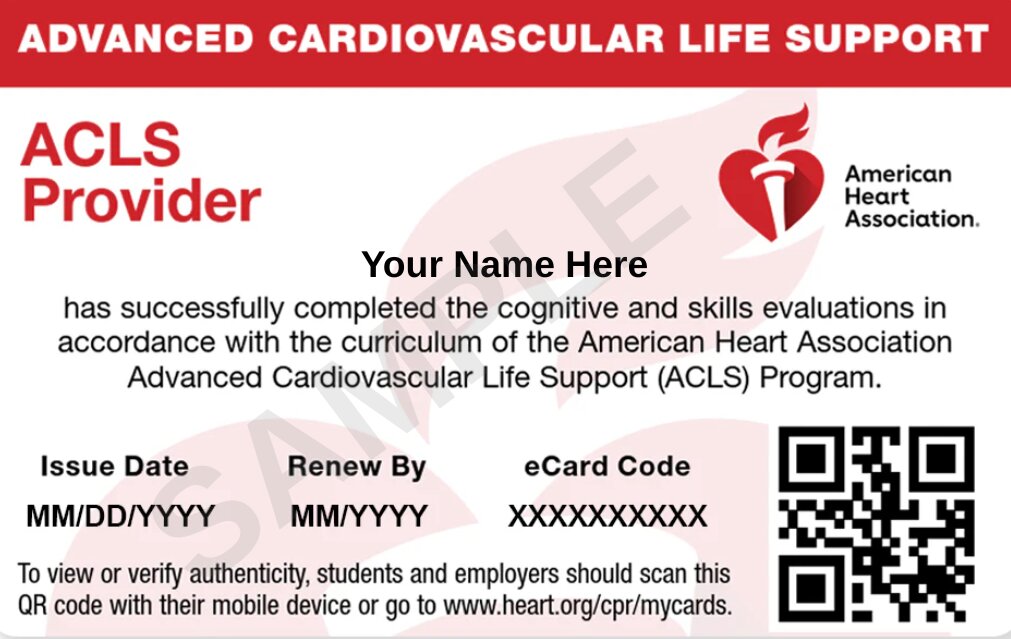
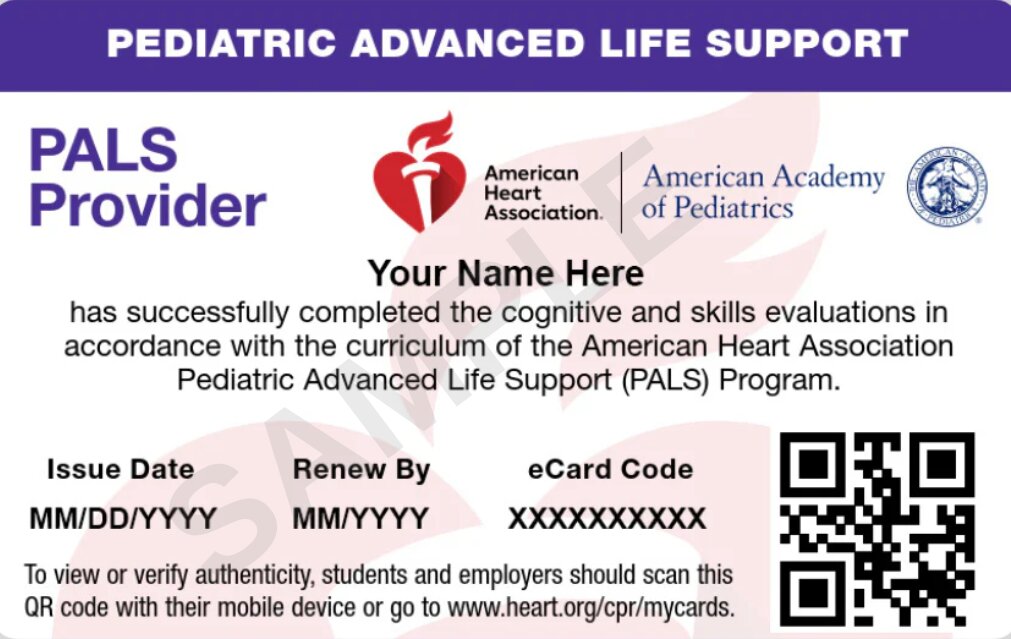
After successfully completing your CPR recertification course, you will receive an updated certification card or certificate.
Your new certification typically includes:
- Your name
- Certification type
- Completion date
- Expiration date
- Training provider information
Keep a digital and physical copy of your CPR certificate so you can provide proof when required by employers or organizations.
How Early Can You Renew CPR Certification?
You can usually renew your CPR certification before it expires, and renewing early is recommended to avoid a lapse in your credentials. While CPR certification is typically valid for two years, the exact timeframe for early renewal may depend on the certification provider, course type, and employer requirements.
Many individuals begin the renewal process several weeks or months before their expiration date to ensure they have enough time to complete training, attend a skills session, and receive their updated certification card. Planning ahead is especially important for healthcare professionals and employees who must maintain an active CPR credential for work.
Get CPR Certified or Renew Your Certification in California
CPR certification in California typically remains valid for two years, making timely renewal essential for maintaining active credentials, meeting workplace requirements, and staying prepared for emergencies. Whether you are renewing a CPR, AED, Heartsaver, or BLS certification, completing refresher training helps ensure your skills remain current and aligned with the latest lifesaving guidelines. By renewing your certification before it expires and choosing a trusted training provider, you can continue building the confidence and knowledge needed to respond effectively during cardiac arrest, choking incidents, and other emergency situations.
If you are ready to take the next step toward maintaining your CPR credentials, California CPR Classes can help you complete your training with confidence. The program offers AHA-aligned CPR, BLS, ACLS, PALS, Heartsaver CPR AED, and First Aid courses designed for healthcare professionals, employees, and individuals across California. With flexible learning options, hands-on skills practice, and a streamlined certification process, you can meet your training requirements and receive your official AHA eCard after successfully completing your course.