CPR and First Aid certification is an essential requirement for many careers in California where employees are responsible for the safety, health, and well-being of others. From healthcare professionals and childcare providers to teachers, fitness instructors, and workplace safety personnel, many industries require workers to know how to respond during emergencies such as cardiac arrest, choking, severe bleeding, injuries, and sudden medical conditions.
While California does not have one universal CPR and First Aid certification requirement for every profession, many employers, licensing organizations, and regulatory agencies require or strongly recommend certification as part of job training and workplace compliance. Having current CPR and First Aid credentials can improve career opportunities, meet employment requirements, and help professionals confidently respond when someone’s life is at risk.
In this blog, we will explore the careers that commonly require or benefit from CPR and First Aid certification in California, the types of certifications available, and how you can become certified to meet workplace requirements.
Healthcare Careers That Require CPR and First Aid Certification
Healthcare is one of the largest industries where CPR and First Aid training is commonly required. Professionals working with patients must be prepared to respond to medical emergencies as part of their daily responsibilities.
1. Nurses and Nursing Assistants
Registered nurses, licensed vocational nurses, and certified nursing assistants frequently need CPR certification because they work directly with patients who may experience life-threatening conditions.
Healthcare facilities such as hospitals, nursing homes, and clinics often require certifications such as Basic Life Support (BLS), which is designed for healthcare providers.
2. Doctors and Medical Professionals
Physicians, dentists, medical assistants, pharmacists, and other healthcare professionals may need CPR certification depending on their workplace and licensing requirements. Healthcare professionals are often expected to respond quickly during patient emergencies, making CPR knowledge a critical workplace skill.
3. Medical Assistants
Medical assistants support doctors and patients in healthcare settings. Their responsibilities may include checking vital signs, assisting with procedures, and responding when patients experience sudden health concerns.
CPR and First Aid certification can improve their ability to handle emergencies in clinics and outpatient facilities.
4. Emergency Medical Technicians (EMTs)
EMTs are trained emergency responders who provide medical care before patients reach hospitals. CPR and First Aid knowledge are fundamental skills for this profession.
California EMT programs typically include emergency response training as part of certification requirements.
5. Home Healthcare Workers
Caregivers and home health aides often assist elderly individuals, people recovering from illness, and individuals with disabilities. Since they may work without immediate medical support nearby, CPR and First Aid skills are especially valuable.
Education and Childcare Careers That Need CPR and First Aid Training
Professionals who work with children are commonly required to maintain CPR and First Aid certification because young children may face choking hazards, injuries, allergic reactions, or sudden illnesses.
1. Teachers and School Staff
Teachers, classroom assistants, and school employees may need CPR and First Aid certification depending on their role and employer requirements.
Schools benefit from having trained staff members who can respond quickly during emergencies until medical professionals arrive.
2. Childcare Providers and Preschool Workers
California childcare workers often need CPR and First Aid certification as part of licensing and safety requirements. Childcare providers are responsible for protecting children in their care and must know how to respond to common emergencies.
3. Babysitters and Nannies
Although requirements vary, many families prefer caregivers who have CPR and First Aid certification. These credentials can make childcare professionals more competitive and provide parents with confidence in their emergency preparedness.
Public Safety Careers That Require CPR Certification
Public safety professionals frequently encounter emergency situations where immediate action is necessary.
1. Police Officers
Law enforcement officers may arrive first at accident scenes, medical emergencies, or situations involving injured individuals. CPR and First Aid training helps officers provide initial care before paramedics arrive.
2. Firefighters
Firefighters respond to fires, accidents, medical emergencies, and rescue situations. CPR and First Aid skills are essential components of firefighter training.
3. Lifeguards
Lifeguards are responsible for preventing drowning incidents and responding to aquatic emergencies. CPR, First Aid, and water rescue training are typically required for lifeguard positions in California.
Fitness and Recreation Careers Requiring CPR and First Aid
Fitness professionals often work with individuals who may experience injuries, dehydration, or medical emergencies during physical activity.
1. Personal Trainers
Many gyms and fitness organizations require personal trainers to hold CPR and First Aid certification. Trainers must be prepared to respond if a client experiences a medical emergency during exercise.
2. Fitness Instructors
Group exercise instructors, yoga teachers, and sports coaches may benefit from CPR and First Aid training because they supervise physical activities where accidents can occur.
3. Sports Coaches
Youth and adult sports coaches often need emergency response training to protect athletes during practices and competitions.
Hospitality and Customer Service Careers That Benefit From CPR Certification
Although CPR certification is not required for every hospitality position, many employers value employees who can respond effectively during emergencies involving guests or customers.
Careers where CPR training can be beneficial include:
- Hotel employees
- Restaurant managers
- Event staff
- Theme park employees
- Camp counselors
- Tour guides
These professionals often work with large groups of people and may be the first available person to assist during an emergency.
Other California Careers Where CPR and First Aid Certification Is Valuable
Beyond healthcare, education, and public safety, many other careers benefit from emergency response training.
1. Security Guards
Security professionals may be the first people to respond when someone is injured or experiencing a medical emergency at a workplace, event, or public location.
2. Construction Workers and Workplace Safety Roles
Construction sites involve risks such as falls, cuts, burns, and other injuries. Workers with CPR and First Aid certification can provide immediate assistance while waiting for emergency responders.
3. Workplace Emergency Response Teams
Many businesses train employees as workplace responders who can assist during medical emergencies until professional help arrives. These employees may include:
- Safety coordinators
- Human resources staff
- Managers
- Supervisors
- Emergency response team members
4. Camp Counselors
Summer camps and youth programs often require counselors to have CPR and First Aid certification because they supervise children during outdoor activities and recreation.
5. Flight Attendants
Airline employees are trained to respond to onboard medical emergencies. CPR and First Aid knowledge is an important part of passenger safety preparation.
Common CPR and First Aid Certifications in California
The type of CPR and First Aid certification you need depends on your career and workplace requirements.
Common certifications in California include:
1. CPR/AED Certification
Covers basic CPR skills, choking response, and AED use. It is commonly required for teachers, fitness trainers, childcare workers, security staff, and workplace employees.
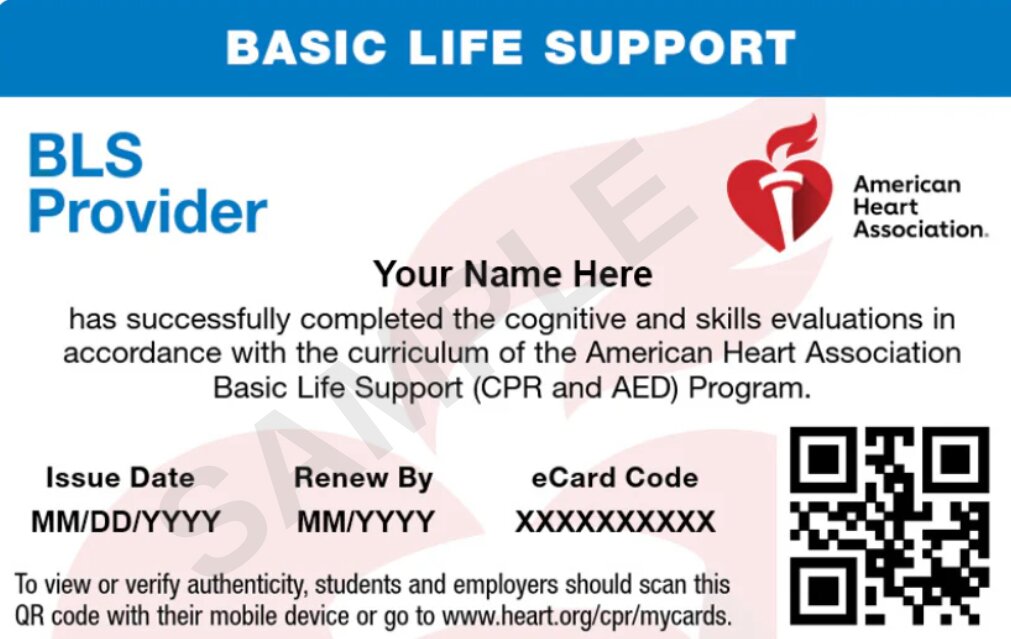
2. Basic Life Support (BLS) Certification
Designed for healthcare professionals such as nurses, doctors, EMTs, and medical assistants. BLS certification focuses on advanced CPR techniques and emergency response in medical settings.
3. First Aid Certification
Teaches how to handle injuries and medical emergencies such as bleeding, burns, allergic reactions, and fractures. It is commonly needed in schools, childcare, construction, and workplaces.
4. Pediatric CPR and First Aid Certification
Designed for professionals working with infants and children, including childcare providers, preschool teachers, and babysitters.
5. Advanced Certifications (ACLS and PALS)
These are specialized certifications for healthcare professionals who manage serious adult or pediatric emergencies.
How to Get CPR and First Aid Certified in California
Getting CPR and First Aid certified in California is a simple process that helps you develop the skills needed to respond during medical emergencies. Whether you need certification for a job, professional requirement, or personal preparedness, choosing the right course ensures you receive the appropriate training.
Here are simple steps to get CPR and first aid certification in California:
1. Choose the Right CPR and First Aid Certification Course
The first step is selecting a certification that matches your career and workplace needs. Common options include:
- CPR/AED Certification: Designed for workplace employees, teachers, fitness professionals, coaches, and community members.
- First Aid Certification: Covers basic emergency care for injuries, illnesses, bleeding, burns, and other common situations.
- BLS Certification: Required for many healthcare professionals, including nurses, doctors, EMTs, and medical assistants.
- Pediatric CPR and First Aid: Recommended for childcare providers, teachers, babysitters, and those working with children.
2. Complete the Required Training
After selecting the appropriate course, participants complete CPR and First Aid training that teaches essential lifesaving skills. Training typically covers recognizing cardiac emergencies, performing CPR, using an AED, responding to choking, and providing basic first aid care.
3. Complete Hands-On Skills Practice
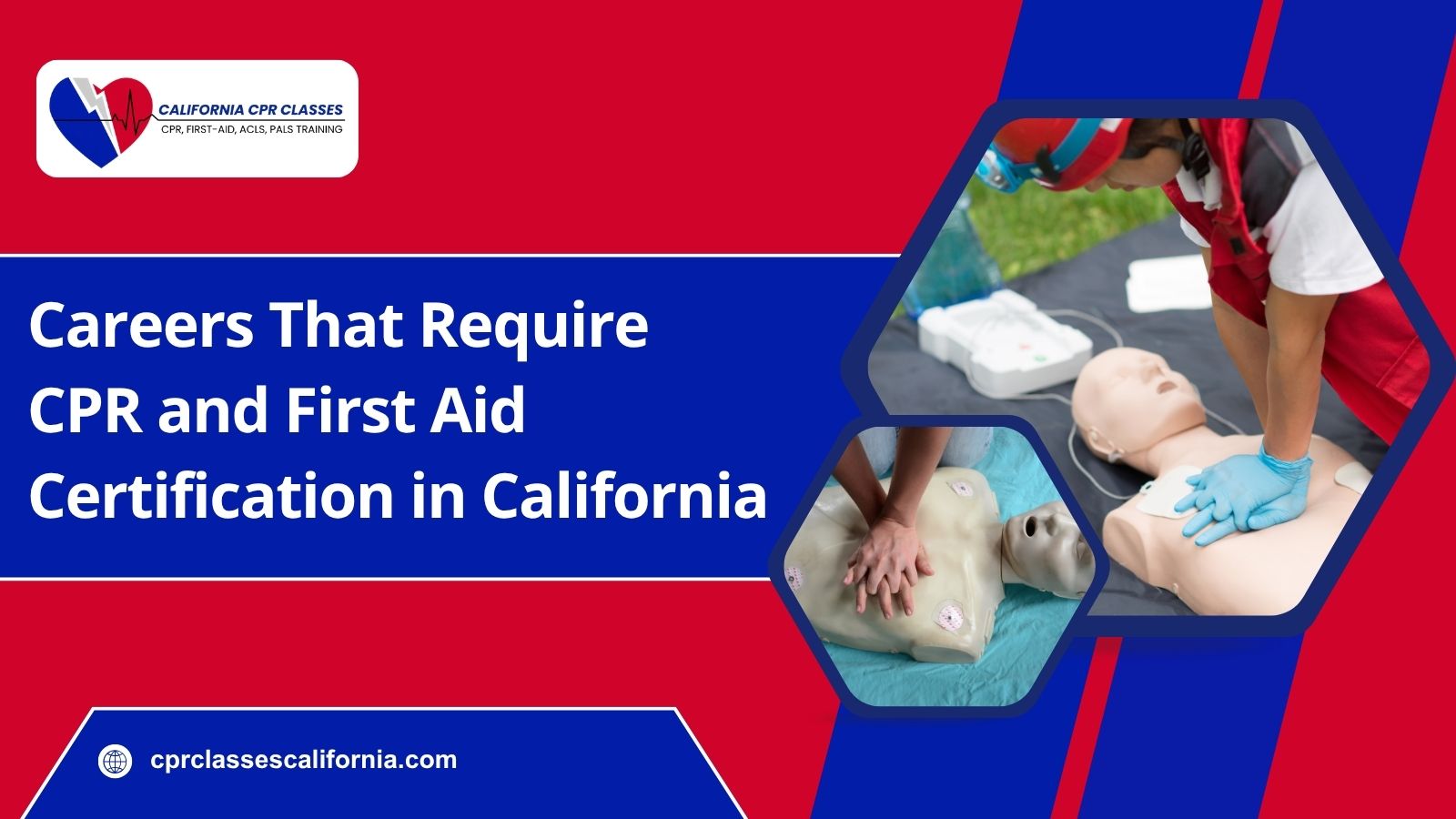
Many CPR certifications require a hands-on skills session where students practice CPR techniques on training manikins and demonstrate their ability to respond correctly during emergencies. This practical training helps build confidence and ensures participants can perform skills effectively.
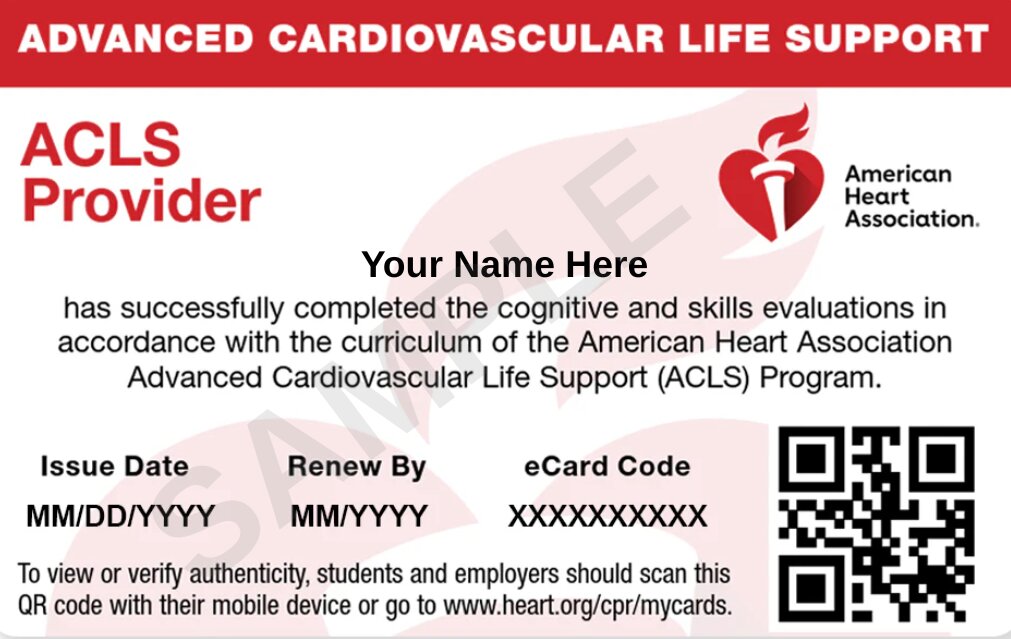
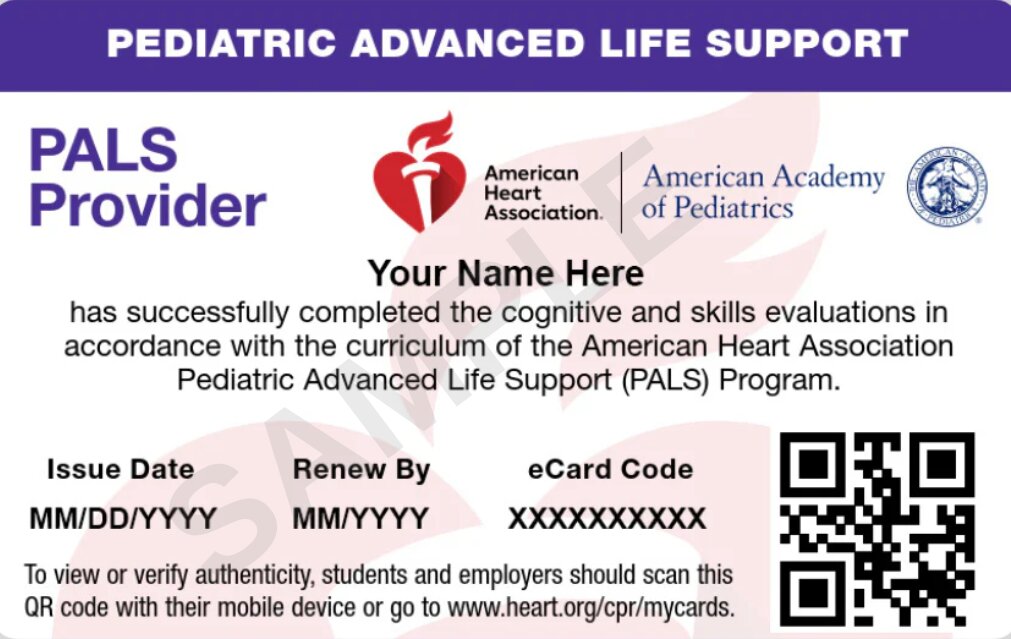
4. Receive Your CPR and First Aid Certification Card
After successfully completing the course requirements, participants receive a CPR and First Aid certification card. This certification can be provided to employers, used for workplace compliance, and serves as proof that you have completed approved emergency response training.
Benefits of Having CPR and First Aid Certification for Your Career
CPR and First Aid certification can provide valuable career advantages, especially in industries where employee safety and emergency response skills are important.
Some key benefits include:
1. Improves Job Opportunities: Many employers in healthcare, childcare, education, fitness, and public safety prefer or require candidates with CPR and First Aid certification.
2. Meets Employer Requirements: Having a current certification helps professionals qualify for jobs that require emergency response training and workplace safety knowledge.
3. Builds Confidence in Emergencies: CPR and First Aid training teaches you how to respond quickly and effectively during medical emergencies, injuries, and accidents.
4. Enhances Workplace Safety: Certified employees can provide immediate assistance during emergencies while waiting for professional medical help to arrive.
5. Strengthens Your Resume: CPR and First Aid certification demonstrates responsibility, preparedness, and a commitment to protecting others.
6. Expands Career Opportunities: Certification can help you qualify for more roles in healthcare, education, childcare, fitness, hospitality, and other industries where safety skills are valued.
Start Your CPR and First Aid Certification in California
CPR and First Aid certification can open career opportunities while providing essential lifesaving skills that are valuable across many industries in California. Whether you work in healthcare, education, childcare, fitness, public safety, or another profession that involves caring for others, having current certification helps you meet workplace requirements and respond confidently during emergencies. By choosing the right CPR and First Aid training course, completing hands-on skills practice, and maintaining your certification, you can improve your professional qualifications while gaining the ability to make a difference when someone needs immediate help.
Ready to meet employer requirements and advance your career? CPR Classes California provides AHA-aligned CPR, BLS, ACLS, PALS, Heartsaver CPR AED, and First Aid courses designed for healthcare professionals, employees, and job seekers throughout California. With flexible training options and convenient skills sessions, you can complete your certification efficiently and receive your American Heart Association eCard after successful course completion.