Teachers play an important role in maintaining a safe learning environment for students. While schools have emergency response plans in place, teachers are often the first adults available when a student experiences a medical emergency such as choking, cardiac arrest, severe allergic reactions, or injuries.
A common question among current and future educators is: Are California teachers required to have CPR certification? The answer depends on the teacher’s role, school district policies, and employment requirements. California does not require every teacher to maintain CPR certification by state law, but many schools require or strongly encourage CPR training for specific positions, especially those involving physical activity, student supervision, or medical responsibilities.
In this guide, we will explain California teacher CPR requirements, who typically needs certification, what CPR courses are recommended, and how educators can become CPR certified.
What California Law Says About Teacher CPR Requirements
California does not have a statewide law requiring every classroom teacher to hold CPR certification as a condition of employment. Instead, CPR requirements are often determined by school districts, employers, and specific job responsibilities. The California Commission on Teacher Credentialing (CTC) establishes requirements for teaching credentials, but general classroom teacher credential requirements do not require all educators to complete CPR certification.
However, California schools are responsible for maintaining safe campuses and emergency preparedness procedures. Many districts establish their own requirements to ensure staff members are trained to respond to emergencies. Depending on the position, schools may require employees to complete:
- CPR certification
- AED (Automated External Defibrillator) training
- First Aid training
- Emergency response training
Because requirements vary, teachers should check with their school district, human resources department, or hiring administrator to determine whether CPR certification is required for their position.
Which School Employees Usually Need CPR Certification?
Although California does not require every teacher to have CPR certification, many school employees are required or encouraged to complete CPR training because of their direct responsibility for student safety. Requirements can vary by school district, job duties, and employer policies.
Employees who commonly need CPR certification include:
Physical Education Teachers
Physical education teachers often need CPR certification because they supervise students during physical activities where injuries, breathing emergencies, or sudden cardiac events may occur.
CPR training helps PE teachers respond to emergencies during:
- Sports activities
- Fitness classes
- Outdoor exercises
- Athletic events
Many schools also require PE teachers to maintain AED and First Aid certification along with CPR training.
Athletic Coaches
School coaches are among the most common employees required to have CPR certification. Since coaches are responsible for students during high-intensity physical activities, they must be prepared to respond quickly to emergencies.
Coach CPR training typically includes:
- Adult CPR
- AED use
- Choking response
- Basic First Aid
Having trained coaches on campus can help ensure immediate action during sports-related emergencies.
School Nurses and Healthcare Staff
School nurses and healthcare personnel generally maintain CPR certification as part of their professional responsibilities.
Their training often follows Basic Life Support (BLS) standards and may include:
- Adult, child, and infant CPR
- AED operation
- Emergency response procedures
- Recognition of life-threatening conditions
Special Education Teachers and Classroom Assistants
Some special education teachers and instructional assistants work with students who have medical conditions, mobility challenges, or additional healthcare needs.
Depending on the school district, these employees may be required to complete CPR and First Aid training to respond to situations such as:
- Choking emergencies
- Seizures
- Breathing difficulties
- Medical episodes
Preschool and Early Childhood Educators
Teachers and caregivers working with infants and young children often need pediatric CPR certification because younger children have different emergency response needs.
Training commonly covers:
- Infant CPR
- Child CPR
- Choking rescue
- Pediatric First Aid
Many childcare programs require staff members to maintain current CPR certification as part of licensing and safety requirements.
School Administrators and Support Staff
Some schools encourage or require administrators, office staff, and other employees to become CPR-certified because emergencies can occur anywhere on campus.
Examples include:
- Principals and assistant principals
- School office staff
- Campus supervisors
- Transportation staff
- After-school program employees
Having more CPR-trained individuals available increases the school’s ability to respond quickly during emergencies.
Substitute Teachers and Volunteers
CPR requirements for substitute teachers and volunteers vary by district. Some schools may require certification for individuals who regularly supervise students, participate in field trips, or work in specialized programs.
Even when not required, CPR certification can help substitutes and volunteers respond confidently if a student experiences a medical emergency.
Why Schools Encourage CPR Certification
Schools encourage teachers and staff members to become CPR-certified because emergencies can happen at any time.
A teacher may be the first person available when a student experiences:
- Sudden cardiac arrest
- Choking
- Breathing problems
- Severe allergic reactions
- Sports injuries
- Accidents on campus
In emergency situations, every minute matters. CPR performed immediately after cardiac arrest can help maintain blood flow and improve the chances of survival until professional medical help arrives.
CPR-trained educators also contribute to a stronger school emergency response system by ensuring more staff members are prepared to act.
Benefits of CPR Certification for Teachers
CPR certification provides teachers with practical skills that can benefit students, schools, and the entire community.
Below are some of the benefits of CPR certification for teachers:
1. Improved Emergency Preparedness
CPR training teaches educators how to recognize emergencies and take immediate action before first responders arrive.
Teachers learn how to:
- Identify cardiac arrest
- Perform chest compressions
- Use an AED
- Respond to choking emergencies
2. Increased Confidence During Emergencies
Emergencies can be stressful, especially when a child’s safety is involved. CPR training gives teachers the knowledge and confidence needed to respond effectively.
3. Greater Student Safety
Having more CPR-trained staff members on campus creates additional layers of protection for students.
A trained teacher can provide immediate assistance during critical moments when emergency services may still be on the way.
4. Professional Development Benefits
CPR certification demonstrates a teacher’s commitment to safety and preparedness. Some employers may view current certification as an advantage during hiring or professional evaluations.
What CPR Course Should Teachers Take?
Teachers should choose a CPR course that matches their responsibilities and employer requirements. Most educators benefit from a course that includes Adult CPR, Child CPR, Infant CPR, AED training, choking response and Basic First Aid skills.
Common CPR certification options include:
American Heart Association Heartsaver CPR AED
This course is designed for individuals who are not healthcare professionals but need CPR training for workplace or safety requirements.
It commonly covers:
- Adult CPR
- Child CPR
- Infant CPR
- AED use
- Choking response
American Heart Association BLS Certification
Basic Life Support (BLS) is generally designed for healthcare professionals or individuals with medical responsibilities.
BLS certification may be appropriate for:
- School nurses
- Healthcare providers working in schools
- Medical assistants
- Other healthcare-related school employees
BLS training focuses on high-quality CPR, AED use, and team-based emergency response.
Most classroom teachers do not need BLS unless specifically required by their employer. Teachers should confirm which certification their employer accepts before enrolling.
How Long Does CPR Certification Last?
Most CPR certifications are valid for two years from the completion date. After two years, teachers generally need to complete a renewal course to maintain their certification.
Renewal training helps educators stay updated on:
- Current CPR guidelines
- Proper compression techniques
- AED procedures
- Emergency response practices
Keeping certification current ensures teachers are prepared when their skills are needed.
How to Get CPR Certified in California?
Teachers can become CPR-certified through approved training providers throughout California.
The certification process usually includes the following steps:
Step 1: Choose the Right CPR Course
Select a course based on your role and employer requirements.
Options may include:
- CPR AED certification
- First Aid and CPR certification
- BLS certification
Step 2: Complete CPR Training
Depending on the provider, training may include:
- Online coursework
- Classroom instruction
- Hands-on practice
Step 3: Attend the Skills Session
Most nationally recognized CPR certifications require hands-on practice with CPR equipment.
During the skills session, participants practice:
- Chest compressions
- Rescue breathing techniques
- AED operation
- Choking response
Step 4: Complete the Skills Evaluation
Participants must demonstrate CPR skills according to course requirements.
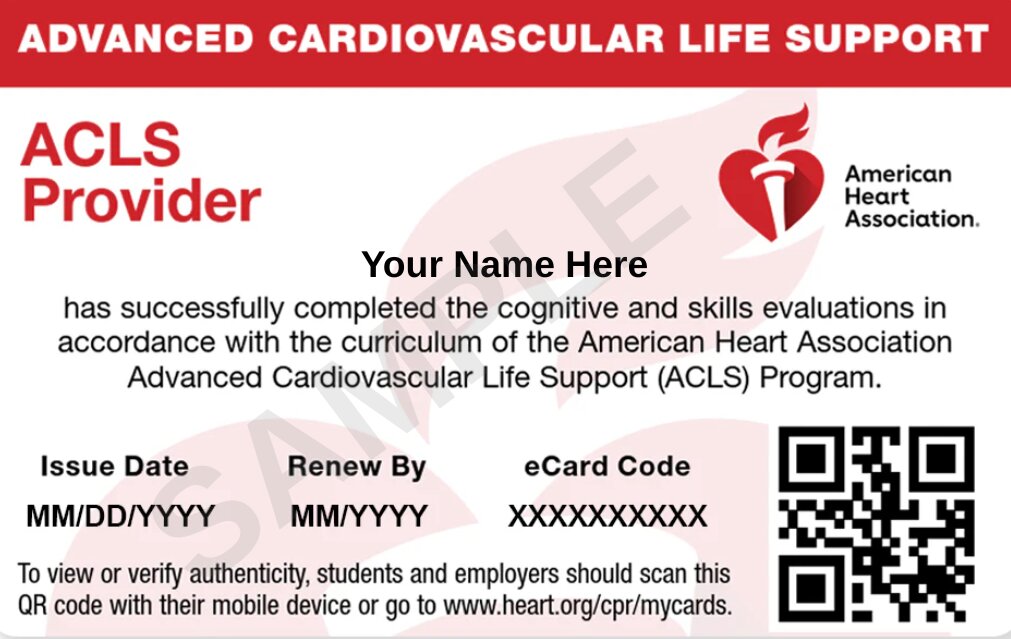
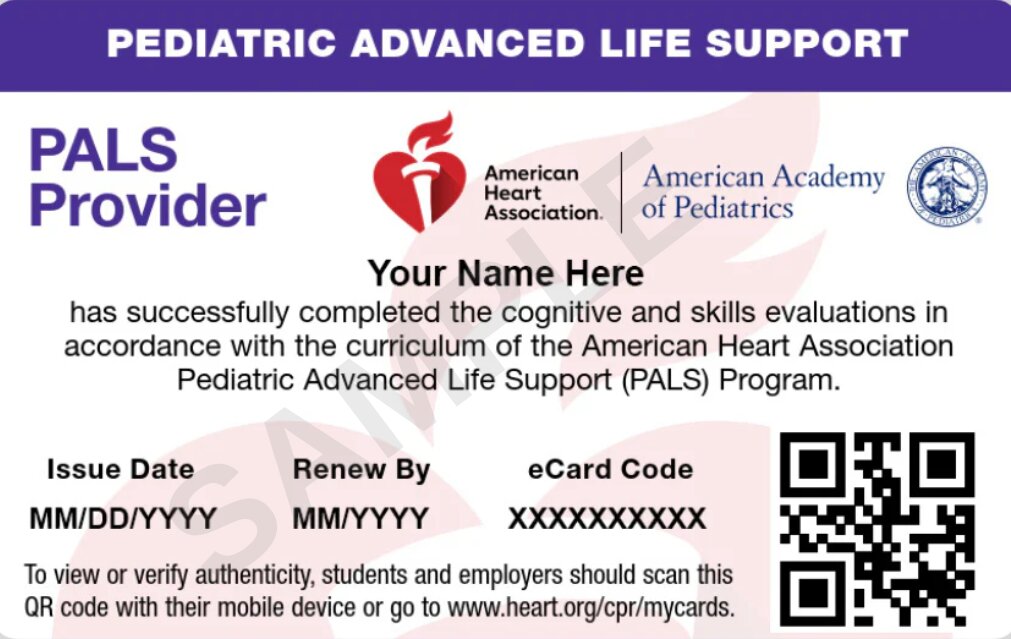
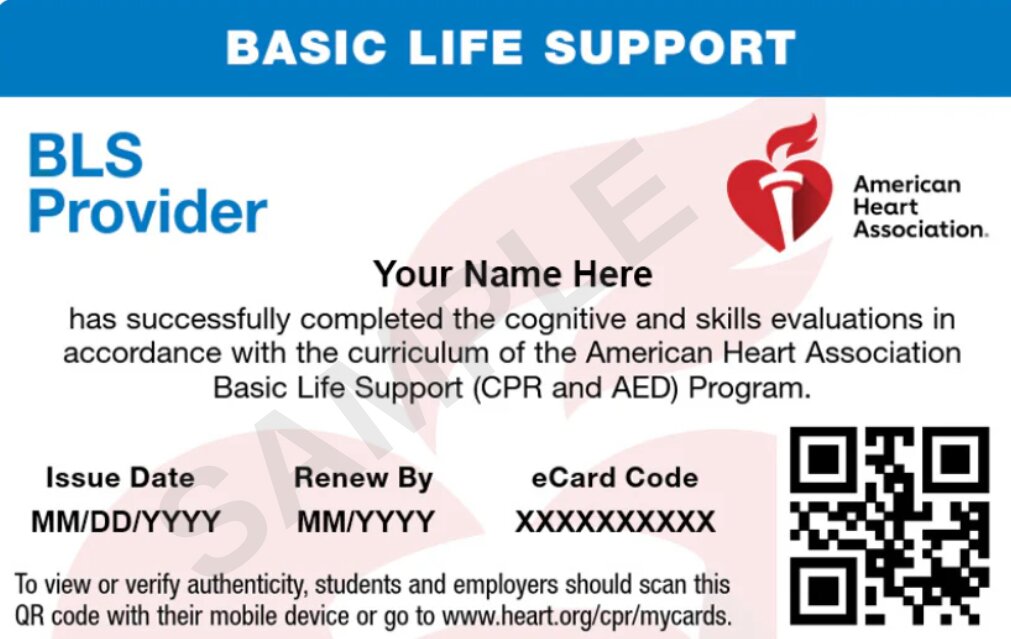
Step 5: Receive Your CPR Certification Card
After successfully completing the course, teachers receive a certification card that can be provided to employers or school districts.
Can Teachers Take CPR Certification Online?
Yes, teachers can take CPR certification online, but the type of online training accepted may depend on their school district, employer requirements, and the certification provider. Many CPR programs now offer blended learning, which allows teachers to complete the academic portion online and then attend a hands-on skills session to demonstrate CPR techniques.
For most schools, a completely online CPR course without any in-person skills practice may not meet workplace requirements because effective CPR requires physical practice and skill evaluation. Therefore, for teachers looking for maximum flexibility, blended learning is often the best option.
Get CPR Certified and Be Prepared for Student Emergencies
CPR certification is a valuable skill for teachers because they are often the first people available to respond during a student’s medical emergency. While California does not require every teacher to have CPR certification by state law, many schools and districts encourage or require CPR training to improve campus safety. CPR-certified educators gain the confidence and skills needed to respond effectively and support a safer learning environment.
For educators looking to become CPR-certified, CPR Classes California, powered by CPR VAM, provides expert CPR training programs designed to prepare teachers for real-world emergencies while meeting workplace requirements. As an American Heart Association (AHA) Authorized Training Center, CPR VAM offers CPR, BLS, ACLS, and PALS courses backed by more than 22 years of experience. With flexible scheduling, instant digital certification, advanced Voice-Assisted Manikin (VAM) technology, and a 99.9% pass rate, CPR VAM helps educators earn a trusted CPR certification with confidence.